Nine ways to buy a 911, sorted by how much actual driving your money returns rather than what the badge does for you at a meet.
This ranking ignores collectability. A car that appreciates while sitting in a climate-controlled garage is an asset, and assets are a different hobby. This is about what you get per dollar with the key in your hand.
The rules
Value here means driving experience divided by total cost of ownership, with parts availability and running costs weighted heavily. A car you cannot afford to fix scores badly no matter how good it is on a mountain road.
Where the money goes furthest
1. 996 (1998–2005). The cheapest real 911 and it is not remotely close. Hydraulic steering, a proper flat-six behind the axle, and a chassis that talks. Its two knocks, the shared Boxster headlights and the intermediate shaft bearing, are a styling opinion and an overblown reliability story. Roughly $18–35k depending on year and history.
2. 997.2 (2009–2012). Direct injection, no intermediate shaft at all, and the first great PDK. It costs perhaps double a 996 but removes the biggest question mark in modern 911 ownership. If your budget reaches it, this is the least stressful 911 to own.
3. 997.1 (2005–2008). The best-looking modern 911 for a lot of people, with round headlights back and hydraulic steering still in place. It carries the same M97 engine questions as the 996 with a slightly higher price of entry, which is the only reason it sits third.
Fairly priced for what they are
4. 991 (2012–2019). Longer, wider and considerably faster, with electric power steering that split the audience. The 991.1 cars kept naturally aspirated engines in the Carreras, the 991.2 went turbocharged across the range, and the GT cars stayed the enthusiast pick. Depreciation has been kinder to buyers than owners.
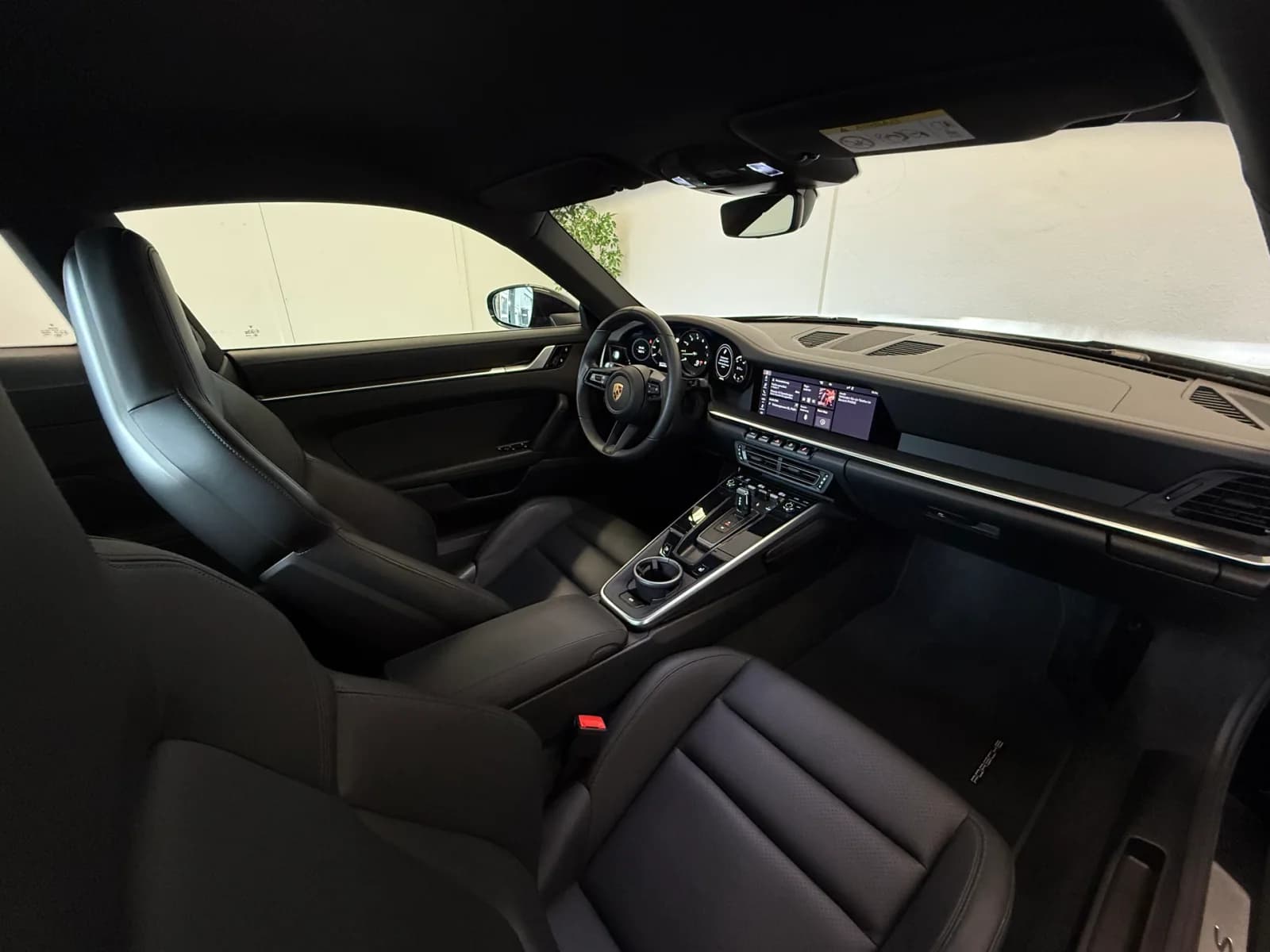
5. 992 (2019–2025). The most capable Carrera ever built and the least value on this list, because you are paying near-current money for it. Superb car. Terrible bargain. Wait.
You are paying for the badge now
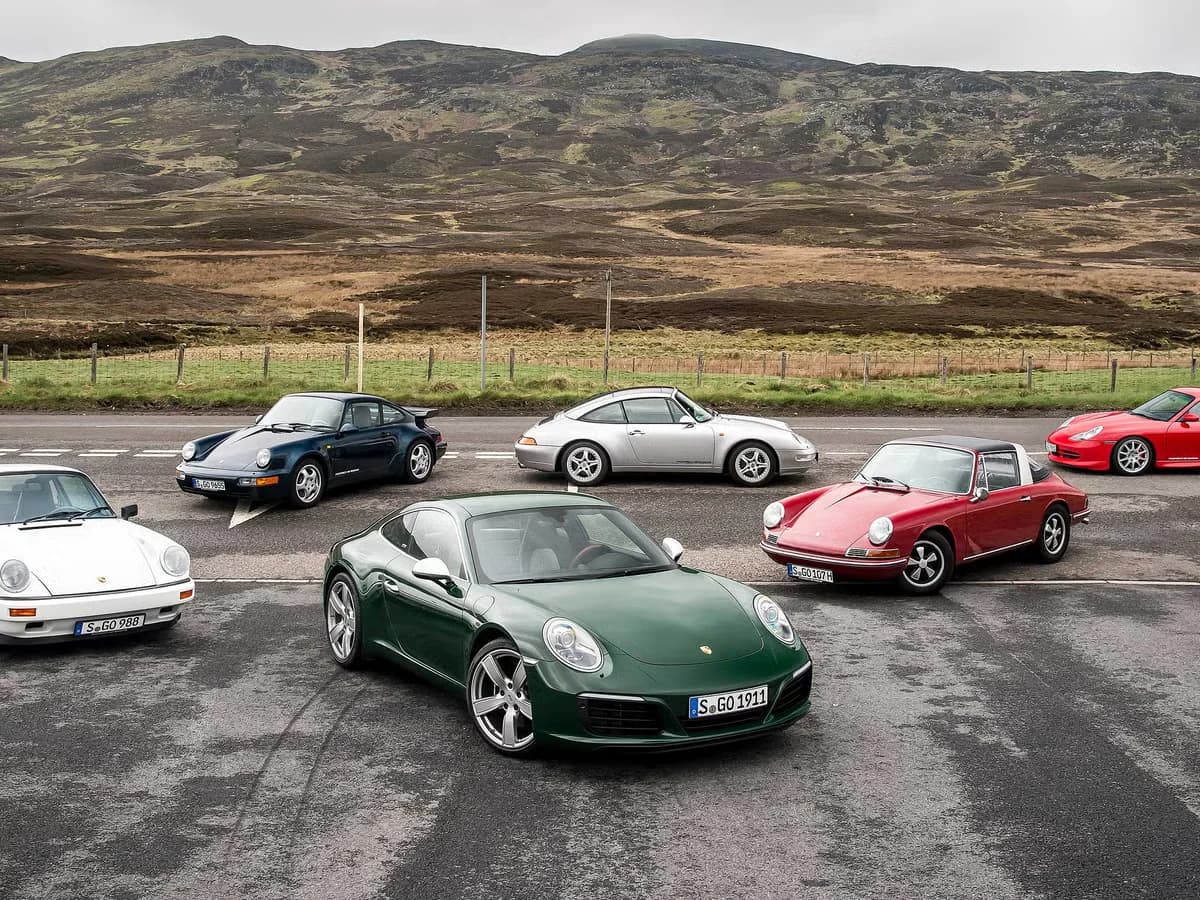
6. 964 (1989–1994). The generation that dragged the 911 into the modern era with coil springs, power steering, ABS and the first all-wheel-drive Carrera. It drives with more air-cooled character than a 993 and costs less, but it is still six-figure territory for a good one and the running costs are old-car running costs.
7. 993 (1994–1998). The last air-cooled 911 and the one everyone agrees is the prettiest. It also got the multi-link rear end that finally civilized the handling. All of which is why it is priced like art rather than transport. Wonderful car, dreadful value.
Collector money, not driver money
8. 930 and the G-series (1974–1989). The whale tail, the lag, the reputation. The turbo cars spent most of their life with a four-speed gearbox because nothing else would survive the torque, and the driving experience is a genuine event. It is also the most demanding 911 to drive quickly and the most expensive to get wrong.
9. The long hoods (1964–1973). The original shape, the 2.7 RS halo, and prices that left the enthusiast conversation years ago. Beautiful, historically important, and completely irrelevant as a value proposition. If you can buy one you were not reading a rankings list to decide.
What the ranking actually tells you
Notice the pattern. The three best-value 911s are all water-cooled cars from the era enthusiasts spent twenty years apologizing for, and the worst-value ones are the cars magazine covers taught everyone to want.
Air-cooled is not a driving characteristic, it is a cooling system. What people actually love about those cars is low weight, thin pillars, unassisted feel and mechanical noise. A 996 has more of that than a 991 does, at a fifth of the price of a 993.
The take
Buy a 996 and spend the difference on tires, track days and a set of decent pads. You will drive it more, and driving it is the point.
If you want the air-cooled thing, be honest that you are buying an object as much as a car. There is nothing wrong with that. Just do not pretend it is the smart money, because the smart money bought the fried-egg car and never looked back.