A pre-purchase inspection is not a courtesy the seller extends to you. It is the cheapest insurance in car buying, and it is the first thing people skip when they get excited about a car they have already decided to buy.
On a Porsche the gap between a good example and a bad one is not a few hundred dollars. It is an engine. Here is what the inspection has to cover before your money moves.
The shop matters more than the checklist
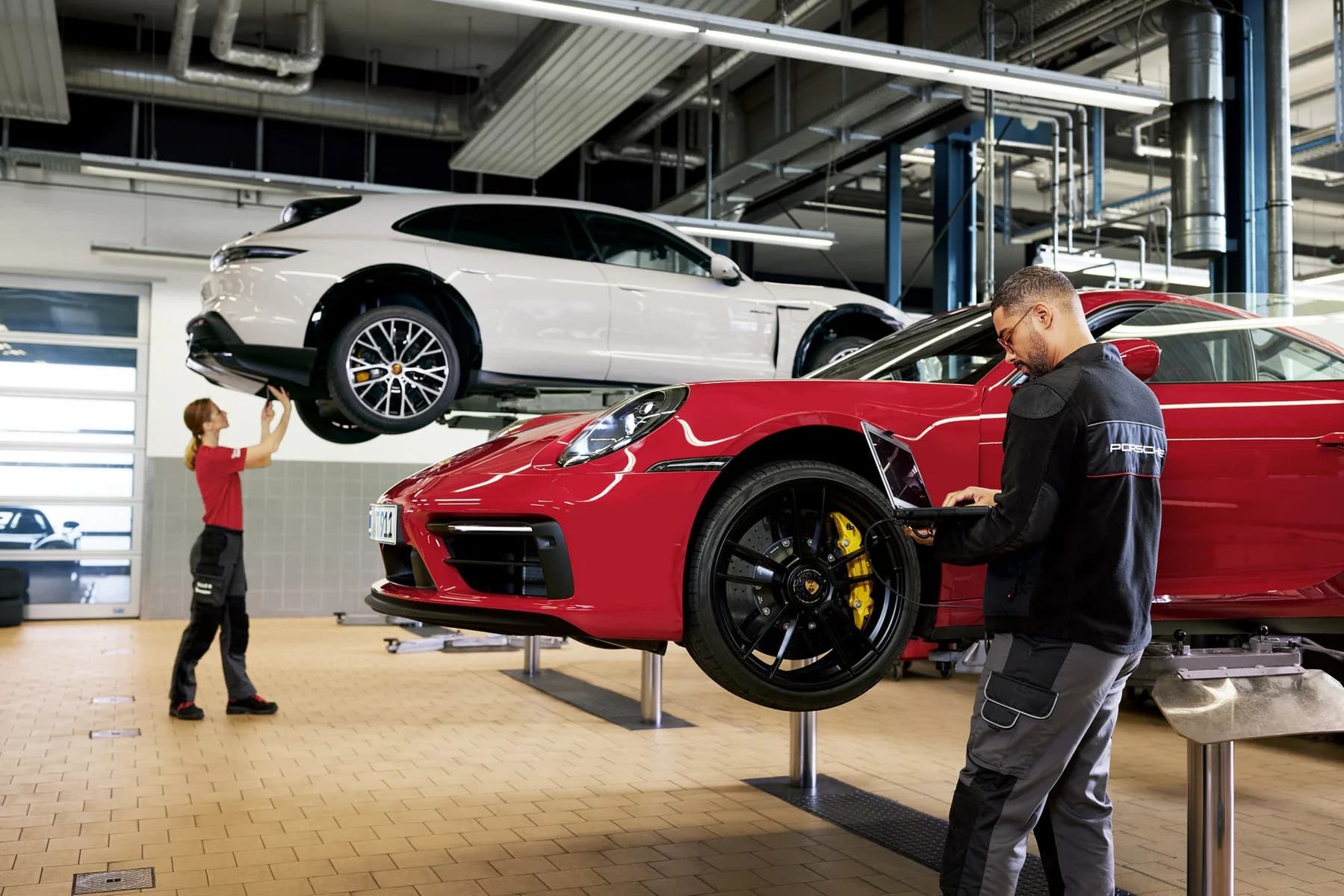
Take the car to an independent Porsche specialist. Not the seller's mechanic. Not the general shop down the road with a lift and a code reader. A specialist who works on these engines every week knows what a healthy one sounds like at a cold idle, and that instinct is most of what you are paying for.
Expect somewhere in the $250–500 range depending on depth and local rates. On a $30k car that is a rounding error. If the seller will not release the car for a few hours to a shop of your choosing, the inspection is already finished and the answer is no.
The engine checks that decide the deal
For any M96 or M97 car, meaning most 996, 986, 987 and 997.1 models, these are non-negotiable.
- Borescope every cylinder. Bore scoring shows up as vertical scratching on the cylinder wall and it is the failure that actually ends these engines.
- Leak-down or compression across all six, with the numbers written on the report. "All good" is not a result.
- Oil filter cut open and inspected for ferrous glitter, plus a look at the magnetic drain plug.
- Intermediate shaft flange, checked for play and for oil weeping past the seal.
- Rear main seal for weeping, because that decides whether the clutch job just got bigger.
- Cold start observed in person. Startup rattle, a persistent tick, or a cloud of smoke on a car that has been sitting are all information.
- Air-oil separator test. A failed AOS smokes heavily and dumps oil into the intake.
- Coolant tank and cap for cracks and staining, and the oil for any sign of coolant contamination.
Everything that is not the engine
This is where the cheap findings live, and where the expensive misses hide.
- Front radiators and condensers. They pack with leaves, hold water and corrode from behind. Getting them scoped means removing undertrays, so confirm the shop will do it.
- Suspension. Control arm bushings, drop links, dampers. PASM units leak and are not cheap.
- Brakes measured, not eyeballed. If the car has carbon ceramics, get the discs weighed or measured against the wear spec. A worn set is catastrophic money.
- Tires. Date codes, matching brands front to rear, correct staggered sizes.
- Paint depth readings on every panel, including the roof. Inconsistent numbers mean bodywork nobody mentioned.
- Convertible roof drains on any Boxster or cabriolet. Blocked drains flood footwells and electronics.
- Fault memory pulled, including transmission adaptation values on a PDK car, and a check that nobody has just cleared codes an hour before you arrived.
Paperwork is part of the inspection
A folder is evidence. Treat it that way.
Look for continuous service history rather than a stack of receipts from the last six months, which usually means somebody was preparing the car for sale. Confirm any claimed IMS retrofit or clutch job with an invoice that names the parts. Check the option sticker in the front trunk against what the advert promised, because sellers get creative about spec.
Verify the engine number matches the car's records. Run the title and accident history yourself rather than trusting a printout the seller hands you. If the car is recent enough, a dealer can pull warranty and recall history.
What to do with the report
Do not walk in waving it as a haggling stick. Price the findings.
Get real quotes for each item, split them into "needed now" and "needed within two years", and add the totals to the asking price. That combined number is what the car actually costs. Compare it against the better-documented car you passed on because it looked expensive, and the decision usually makes itself.
Walking away is a legitimate outcome and the fee was still worth it. A few hundred dollars to avoid a scored engine is the best return in the hobby.
The take
The people who lose money on Porsches almost never lose it in one dramatic event. They lose it in a slow drip of things an inspection would have caught in an afternoon.
Book the specialist. Make them write numbers down. Then buy the car with your eyes open, or do not buy it at all.