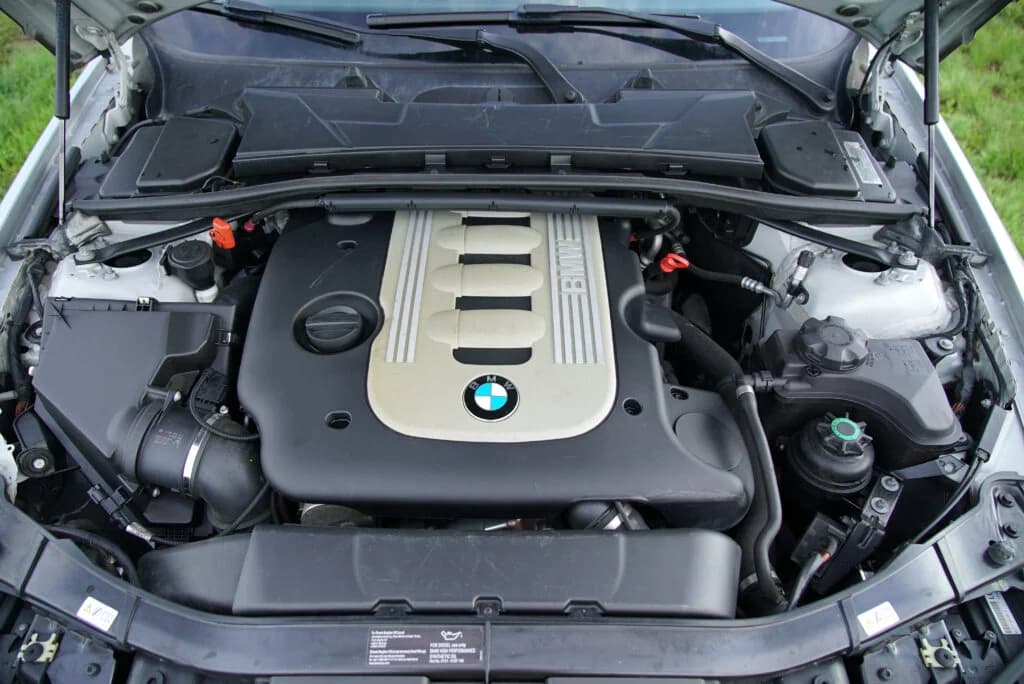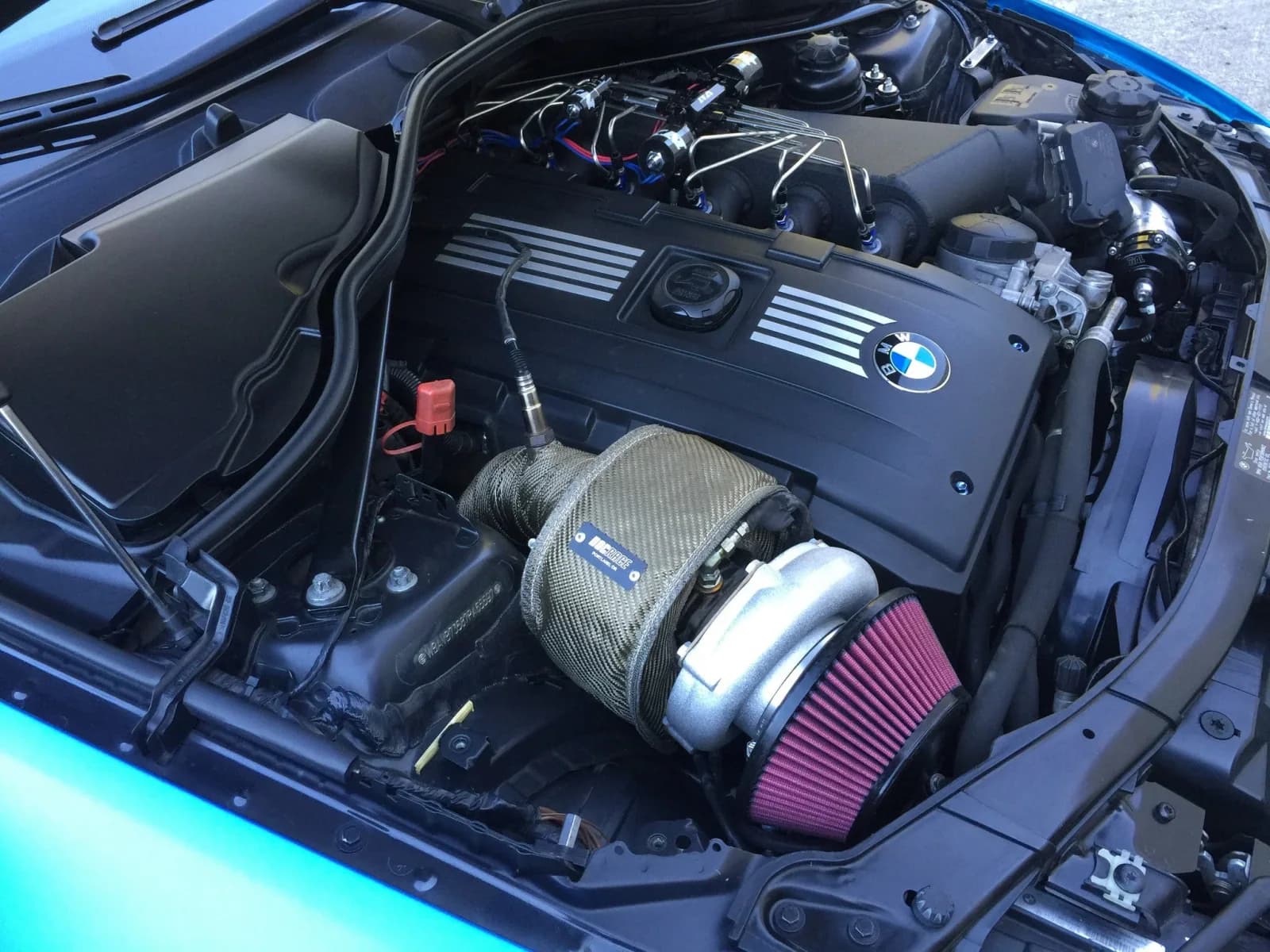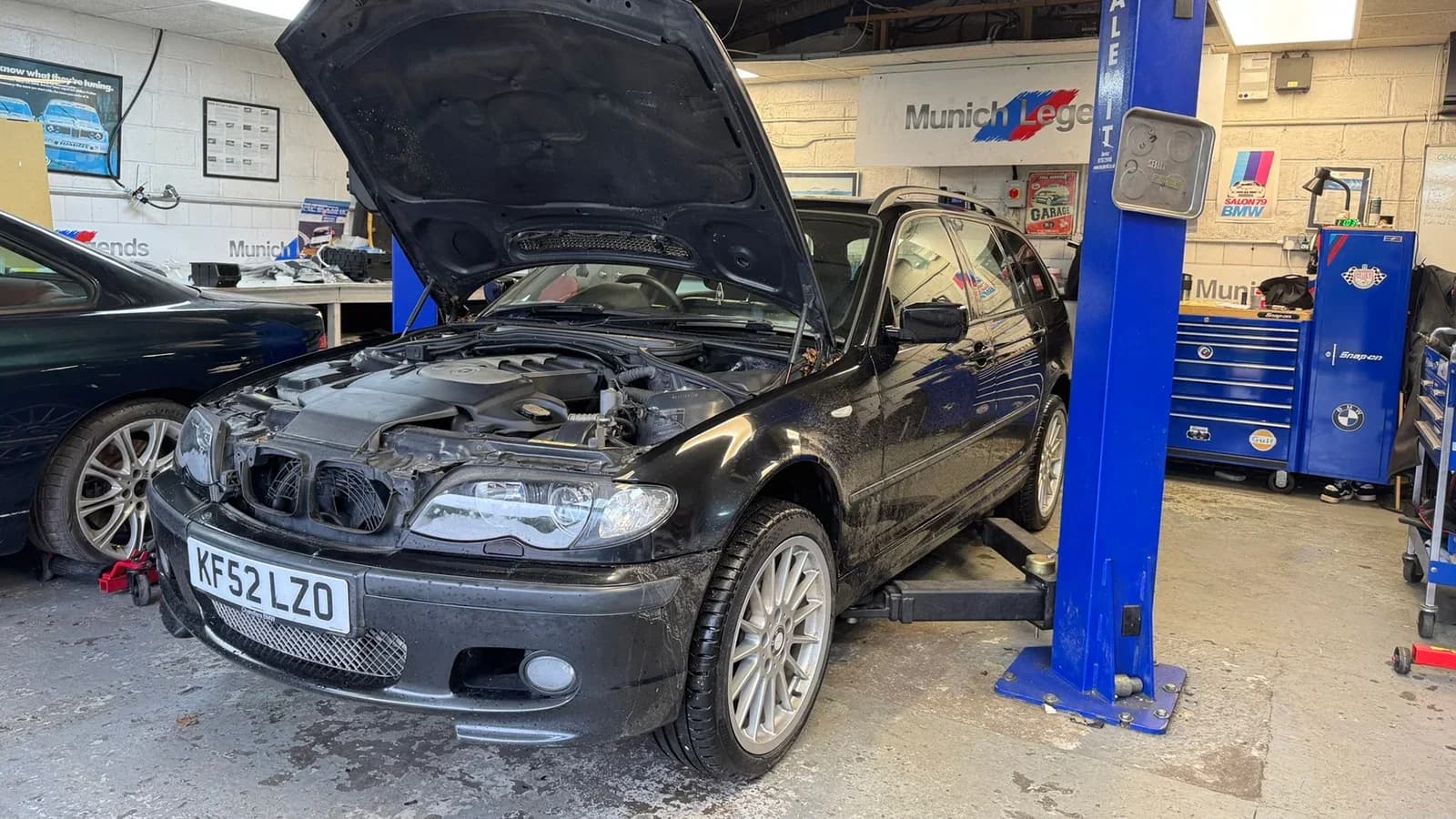
The wheels are already chosen. The paint looks right. There is an E46, E92 or F80 in your saved listings that would make the whole project feel real. Before the deposit, give the unglamorous part of the build the same attention: the car you are actually buying.
An asking price describes the transaction. Your budget needs to describe the first year with the car. That includes work already due, the changes you want, and room for an inspection to reveal something you had not planned for.
Start with the exact car
Write down the chassis, engine, transmission, mileage and fitted equipment. A general “BMW problems” list is too broad to price a particular purchase. Different generations and powertrains need different checks, and a receipt from another model is a poor substitute for a quote on yours.
Have a BMW specialist inspect the car independently of the seller. Ask for findings in writing, supported by photographs or measurements where useful. The aim is to identify urgent work, upcoming service and cosmetic choices separately. A clean diagnostic scan belongs alongside the mechanical inspection; it cannot certify every component's condition.
Check the VIN for open recalls through BMW's recall service. Follow up on completion records with the appropriate service provider. Recall status is one part of the file, not a complete maintenance history.
Read the receipts as a timeline
Match invoices to the vehicle and mileage. Look for what was replaced, which parts were used and whether a recurring complaint was resolved. “Cooling system done” is a starting question: request the actual invoice rather than filling in the missing detail yourself.
For a modified car, ask for the calibration supplier, fuel requirements, parts list and original components that are included. Find out who will support the setup after the sale. A recognizable brand on an intake cannot tell you which software is in the ECU.
Give every cost a place
Build a simple worksheet with the purchase price, transport, local fees, inspection, immediate repairs and your first planned modification. Add an allowance for work you cannot yet quote. Keep estimates labeled as estimates and date each workshop quote.
Inspect tire age and condition as well as tread. Michelin recommends professional inspections after five years of use and replacement by ten years from manufacture, even when tread remains; damage can require earlier replacement. Apply the tire and vehicle manufacturers' guidance to the actual set fitted. Michelin tire replacement guidance.
Decide how the project will fit your life
Consider where the car will be worked on, how you will travel during downtime and which jobs you can competently complete. DIY changes the labor bill, but still requires tools, time and a plan for the work you cannot finish.
Our preference is a car whose history and inspection leave a clear route to the build you want. Pay attention to unresolved questions while you still have a choice. The right purchase leaves enough budget to enjoy making the car your own.
TUNERS buying editorial. Costs require current quotes for the specific vehicle; no fixed repair allowance or reliability guarantee is implied.
Updated September 5, 2026.