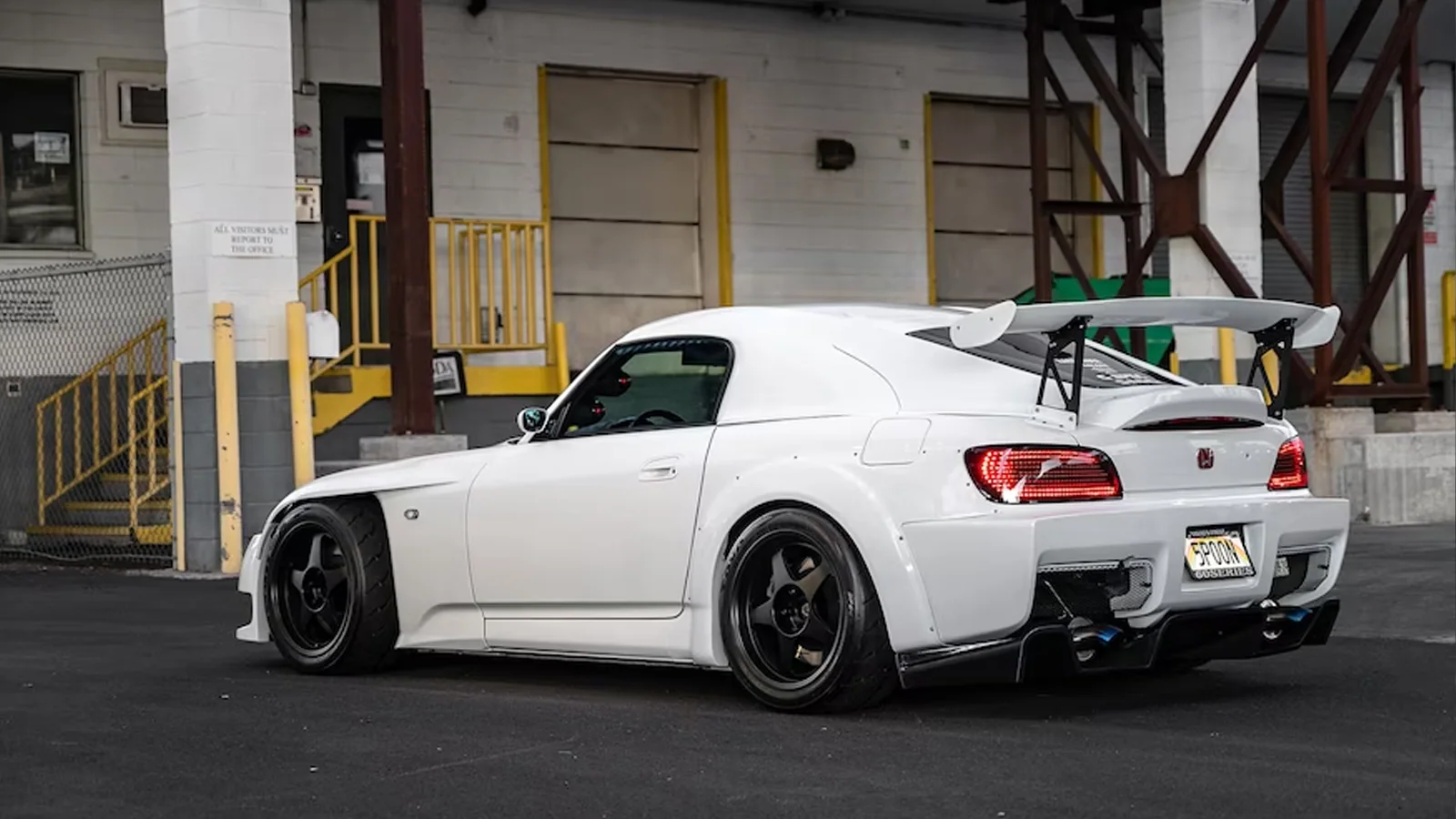
Somewhere out there is an S2000 with 11,000 miles on it, sitting under a fitted cover in a climate-controlled garage, being slowly destroyed by its owner's care.
The seals are hardening. The tires are twelve years old and square on the bottom. The fuel has been through four summers of ethanol separation. The clutch disc is quietly rusting to the flywheel. This car is described in the listing as "preserved."
Sitting is a maintenance schedule too
Cars are not paintings. Every system in them assumes motion.
Rubber seals stay pliable because oil circulates against them, and they harden and shrink when it does not. Brake fluid absorbs moisture on a calendar, not a mileage counter, and rotors pit under a cover in a humid garage faster than they wear under braking. Fuel systems corrode from the inside when ethanol-blended gas separates and sits. Bearings develop flat spots. Tires age out at around six years regardless of tread depth.
A 60,000-mile car that gets driven every other weekend is in better mechanical health than a 12,000-mile car that gets started twice a year. The odometer measures one kind of wear. It says nothing about the other kind.
The appreciation fantasy, priced honestly
The garage-queen logic runs like this: keep the miles low, the car goes up in value, you win later.
Run the numbers. Insurance, registration, storage, a battery tender, fresh fluids that never get used, a set of tires that ages out before it wears out. Call it a low four-figure sum every year to own a car you never drive. Over ten years you have spent real money for the privilege of not using the thing.
Meanwhile the appreciation you are betting on is concentrated in a handful of unicorn examples with documented history and single ownership, and yours is probably not one of them. Most enthusiast cars do not appreciate. They flatten out, they track inflation at best, and they cost you all the way there.
The people who made money on cars were, almost without exception, not trying to.
What it does to the rest of us
Preservation culture does not just cost the owner. It bends the whole market.
The lowest-mileage examples set the ceiling, and everything else gets priced by proximity to that ceiling. Cars that should be circulating as drivers get pulled out of the pool and stored, supply tightens, and the healthy 90,000-mile example gets valued against a car that has never been properly warmed up.
It also strips the scene of the thing that made it worth joining. Nobody got into this because they saw a car under a cover. They got into it because something loud went past them at an angle they still think about.
The mid-mileage sweet spot
The best value in nearly every enthusiast market is the car with real miles and a real folder of receipts.
- A 90–120k mile S2000 with valve adjustments documented and a fresh clutch will do everything a 20k example does, for a fraction of the money.
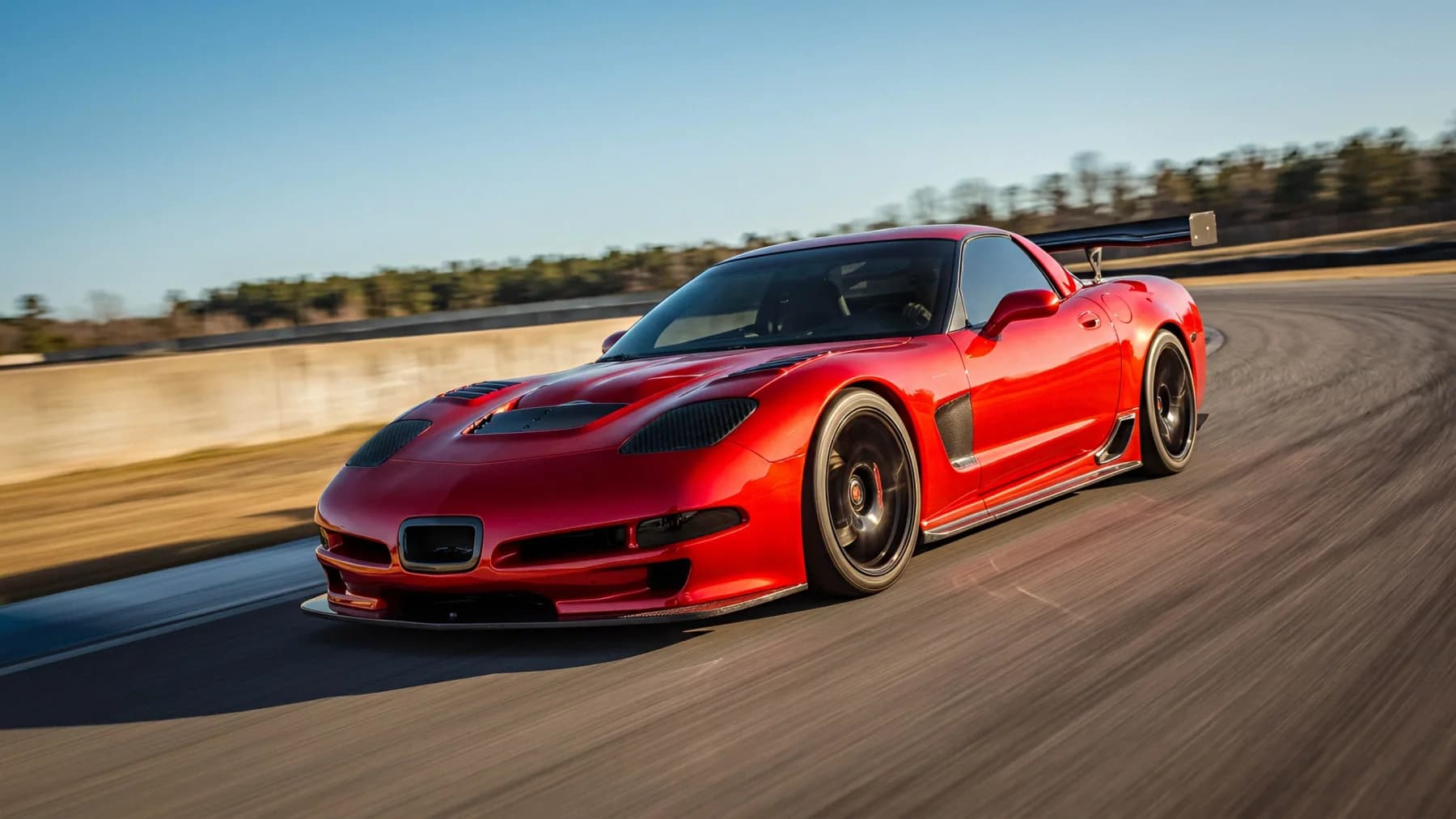
- A C5 Corvette with 110,000 miles on an LS1 is barely middle-aged. Those engines run to enormous numbers with basic care.
- A high-mile NB Miata that has been driven and maintained beats a garaged one that has been sitting on a dirt floor absorbing moisture into its frame rails.
Miles tell you what has worn. Records tell you what has been replaced. The second document matters more than the first, and hardly anyone shops that way.
Drive it like it owes you something
There is a version of this hobby where the car is a number on a spreadsheet and every mile is a withdrawal. It is a joyless way to own anything with a redline.
Take it out in the rain. Park it at the far end of the lot and walk. Put 4,000 miles on it a year and change the oil twice. Take it to a track day and accept that you will chip the paint and cook a set of pads, because the alternative is owning a very expensive piece of garage furniture.
The take
If the car is genuinely rare, historically significant and worth more than your house, fine, keep it under a cover and pay someone to exercise it.
Yours is not that car. Yours is a mass-produced sports car that was built to be used, that was reviewed on the assumption it would be used, and that is currently deteriorating in a way that will cost you money to fix and provide you nothing in return.
The best-preserved cars are the ones that never stopped moving.