Nobody swaps a manual into a BMW to go faster. That is what makes it the most honest thing happening in this scene.
The thing everyone knows and pretends not to
A ZF eight-speed automatic is faster than you. So is a DCT. They shift quicker, they never miss a gear, and on any measurable metric they beat the third pedal by a margin that is not close.
This has been true for over a decade and it has settled the argument on paper. The manual swap community carries on anyway, spending thousands of dollars and multiple weekends to make a car objectively slower, and that is precisely why it is worth paying attention to.
What a swap actually involves
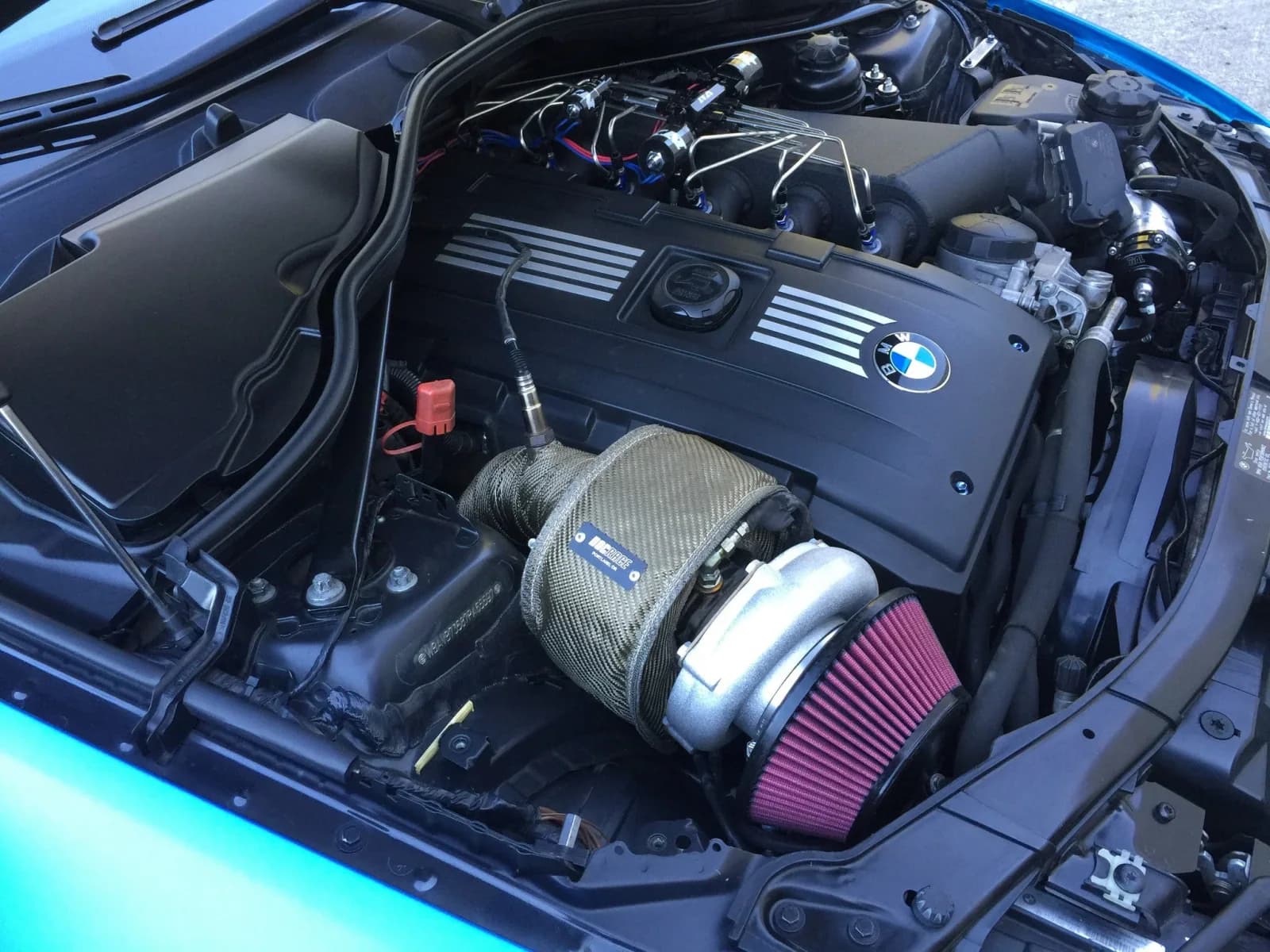
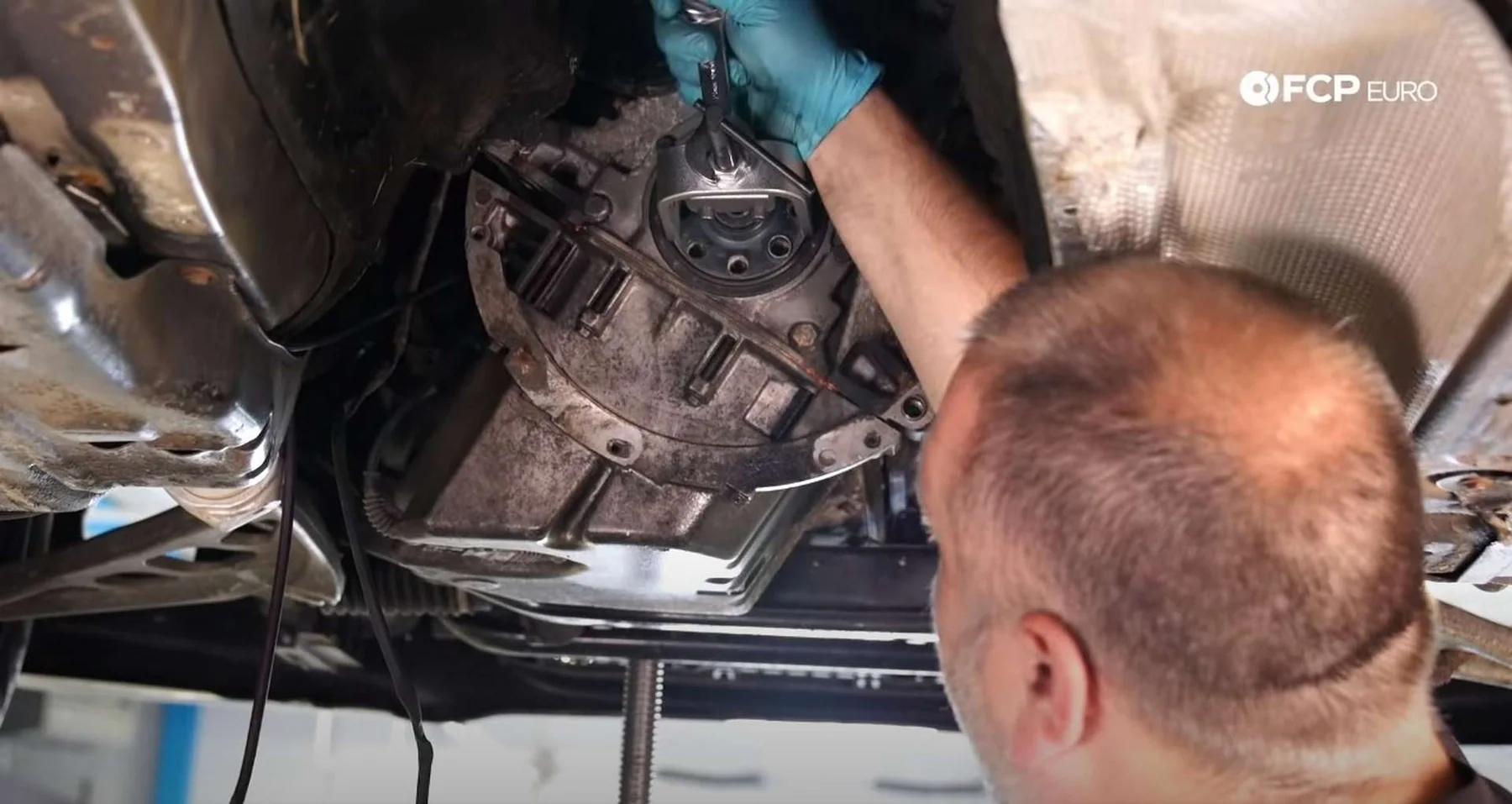
It is not a bolt-in. Depending on chassis you are looking at a transmission, bellhousing, flywheel, clutch, driveshaft, shifter assembly, pedal box, clutch master and slave cylinder, transmission mounts, and then the electronic side, which is the part that stops most projects.
On older cars the wiring is manageable. On an E9x or F3x, the DME, the transmission control module and the immobiliser all need to agree that the car is now a manual, which means coding, and in some cases a donor car's worth of modules. The mechanical work is a weekend. The electronics are the reason the car sits for a month.
The parts market has responded. E9x 335i swaps are common enough that you can buy a kit rather than sourcing eighteen separate part numbers from breakers, and the labor has become predictable. Expect a real four-figure cost even when you do the work yourself, and considerably more when you do not.
Why the wagons started it
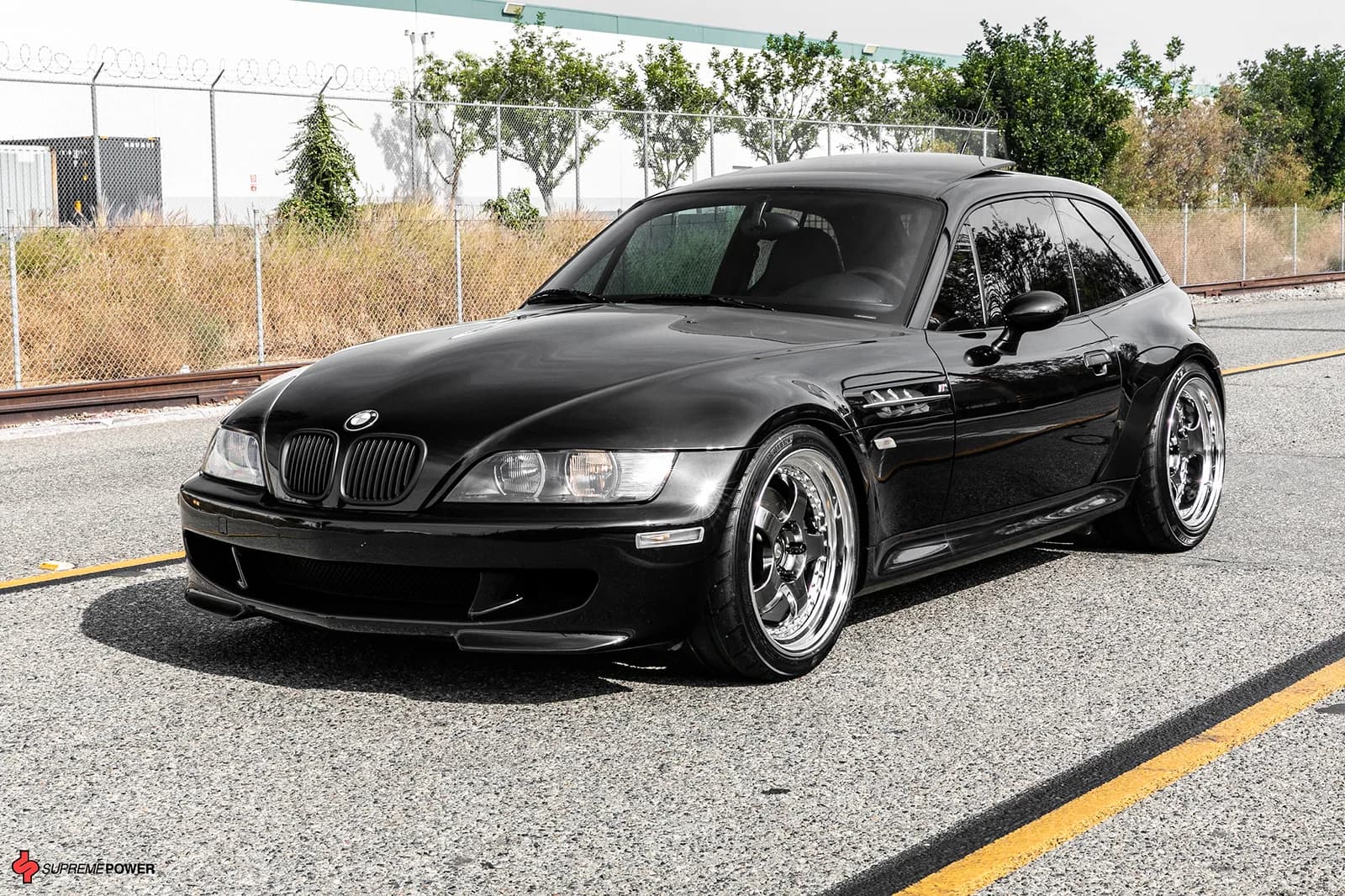
The clearest expression of manual swap culture is the touring. BMW built extraordinary wagons and then, in most markets and particularly North America, refused to sell them with three pedals in any meaningful volume. Enthusiasts who wanted a fast, practical, rear-drive wagon had exactly one path available: build it themselves.
So people did. E39 tourings with six-speeds. E46 wagons converted using parts from sedans. E91s with a transmission that never appeared in that body from the factory. Every one of those cars exists because someone looked at the options list, found nothing, and got a welder involved.
That is not nostalgia. That is a market failure being corrected by hand.
The argument against, and why it misses
The criticism writes itself. You spent three thousand dollars to be slower, you devalued a car with a non-factory drivetrain, you could have bought a car that came that way from the start.
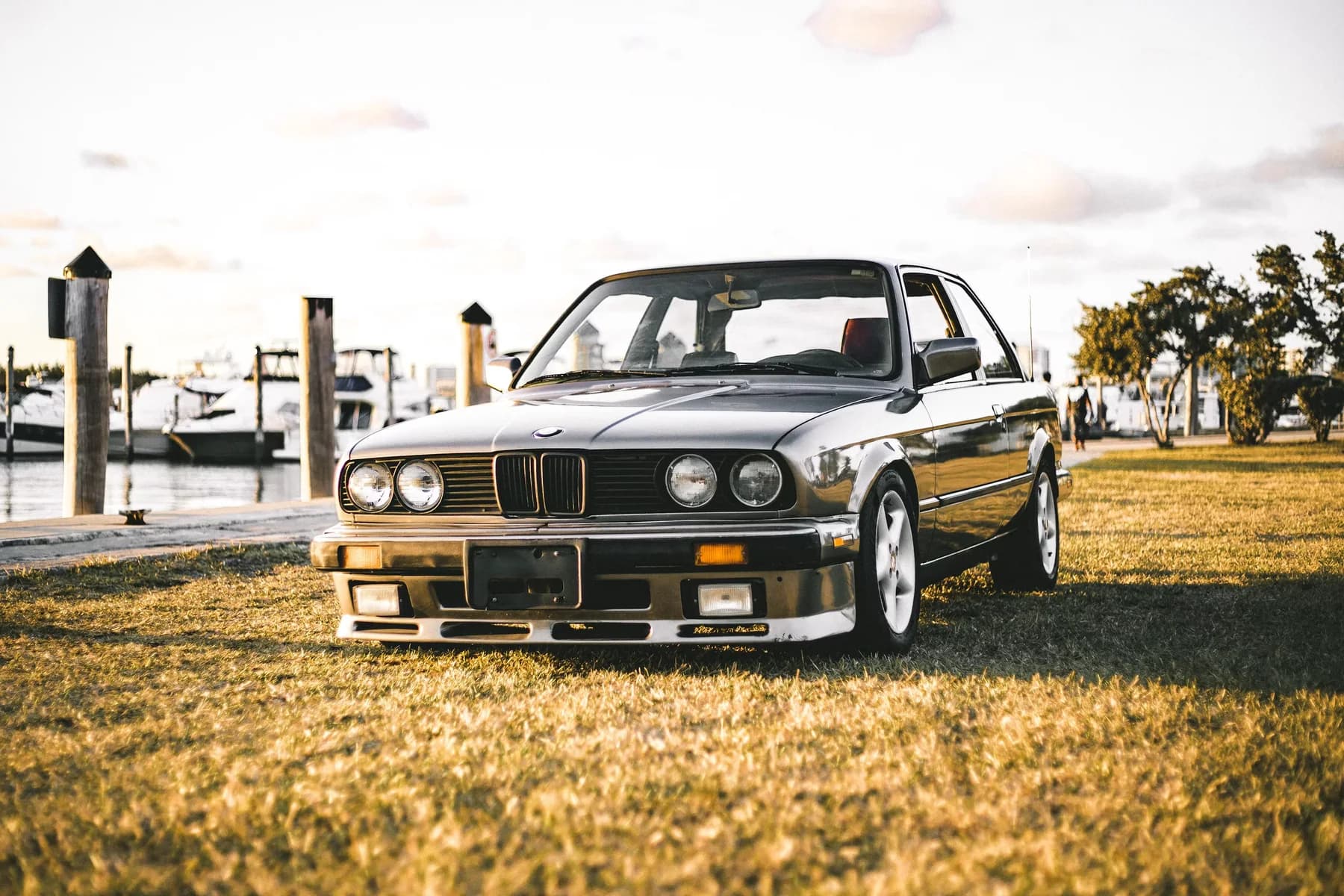
The last one is the only serious point, and it holds when a factory manual version exists at a sane price. If you want a manual E46 330i, buy a manual E46 330i. The swap makes sense when the factory never offered the combination you want, when the manual version commands a premium far above the cost of the conversion, or when you already own and like the car.
The devaluation argument is mostly wrong now. Well-documented swaps on desirable chassis increasingly sell for more than the automatic they started as, because the pool of buyers who want three pedals has not shrunk while the supply has.
What it says about the scene
Manual swapping is one of the few modifications with no performance justification and no visual payoff. Nobody sees it in a parking lot. It does not show up in a dyno graph. You cannot photograph it well.
It exists purely because a certain kind of driver wants a mechanical connection to the drivetrain, and is willing to pay for it in cash and weekends. Compare that to the modification culture around ride height and exhaust volume, both of which are largely about how the car is perceived by other people.
There is something genuinely uncynical about spending real money on a thing only you will ever experience.
The take
If you are shopping and a factory manual exists, buy it. Pay the premium, it is almost always less than the swap and always less hassle.
If the factory never built the car you want, build it. The E39 540i touring with a six-speed, the E91 with three pedals, the 335i wagon that should have existed and did not. Those cars are the best argument the modern BMW scene has, and they were all made by someone who decided that the option list was a suggestion.
Slower is fine. Slower has been fine for a while now.