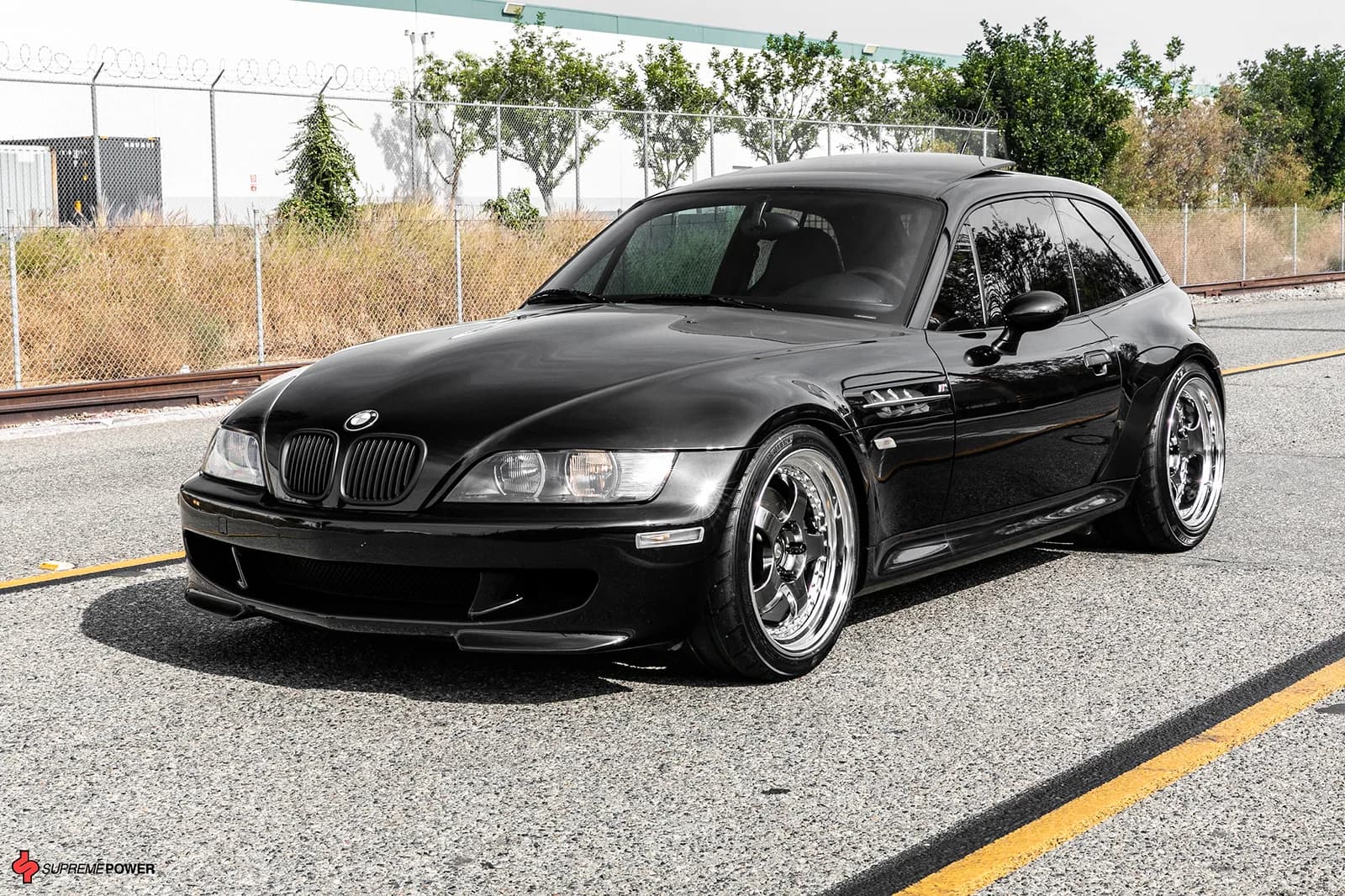
The E30 M3 stopped being a car you buy and became an asset class roughly a decade ago. The good news is that the other E30s are still cars.
What actually happened to the prices
The E30 M3 was a homologation special, built so BMW could go touring car racing. Boxed arches, a steeper rear window, a completely different body from the shoulders back and the S14 four-cylinder rather than a six. Under 200hp in most versions, which sounds modest and misses the point entirely.
It was always going to appreciate. What surprised everyone was the ceiling. Clean, documented, unmodified cars now trade in six figures, and even rough projects command money that would have been absurd fifteen years ago. Treat any number you read as market-dependent and probably out of date.
The knock-on effect is that everything E30 got pulled upward. A tidy 325i is no longer the cheap old BMW it was for twenty years, though it remains one of the best-value driving experiences in classic ownership.
What to buy instead
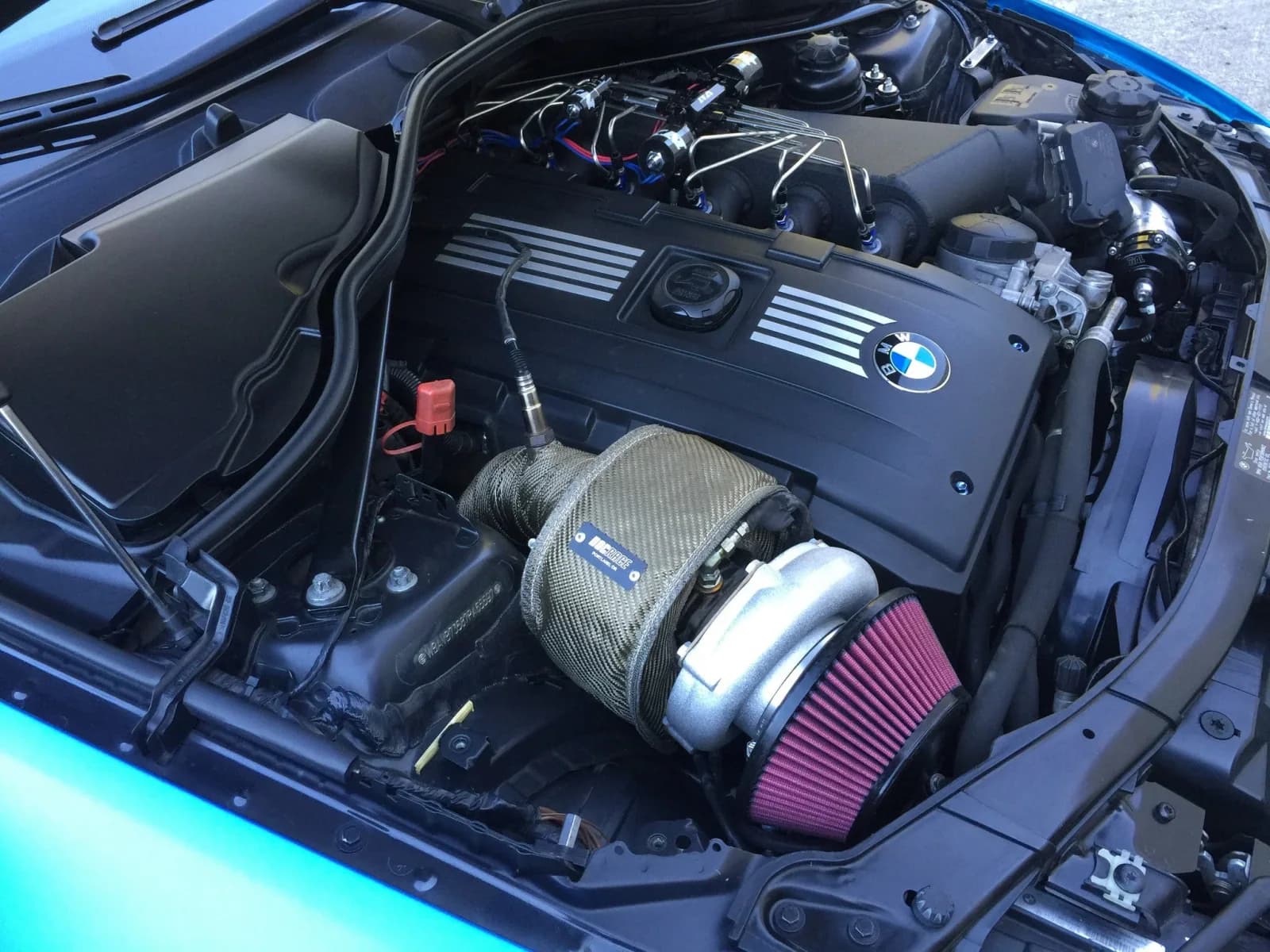
325i (M20B25). The default answer and the right one. A 2.5-liter single-cam six, smooth, torquey enough, and it makes the noise you bought the car for. Around 168hp in most markets, which is plenty in a car this light with this steering.
318is (M42). Four-cylinder, twin-cam, revs happily. Down on torque and up on eagerness, and lighter over the nose. Purists argue this is the better-handling car and they are not wrong, they are just outvoted.
325ix. All-wheel drive, rarer, more complex, and genuinely capable in weather. A niche pick with a niche parts bill.
Touring and convertible. The touring was never officially sold in North America, which makes it an import project. The convertibles are cheaper than the coupes and structurally softer, and they are still lovely.
Rust is the entire buying decision
Everything mechanical on an E30 is fixable, well documented and reasonably cheap. Rust is the thing that ends cars.
Check, in this order:
- Shock towers, front and rear, from inside the engine bay and the trunk
- Jacking points and rocker panels, which rot from the inside out
- Battery tray, where a leaking battery has eaten the floor on countless cars
- Sunroof drains, which block, back up and rot the rear footwells silently
- Rear subframe mounting area and the trunk floor, particularly around the spare wheel well
- Windshield surround, under the seal, which is expensive to fix properly
A car with a good body and a tired engine is a project. A car with a good engine and a rotten body is scrap with a nice sound.
The mechanical checklist
The M20 uses a timing belt and it is an interference engine. If the seller cannot tell you when it was last changed, assume it was not, and change it before you drive the car anywhere. This is non-negotiable and it is the single most common way people destroy an otherwise healthy E30.
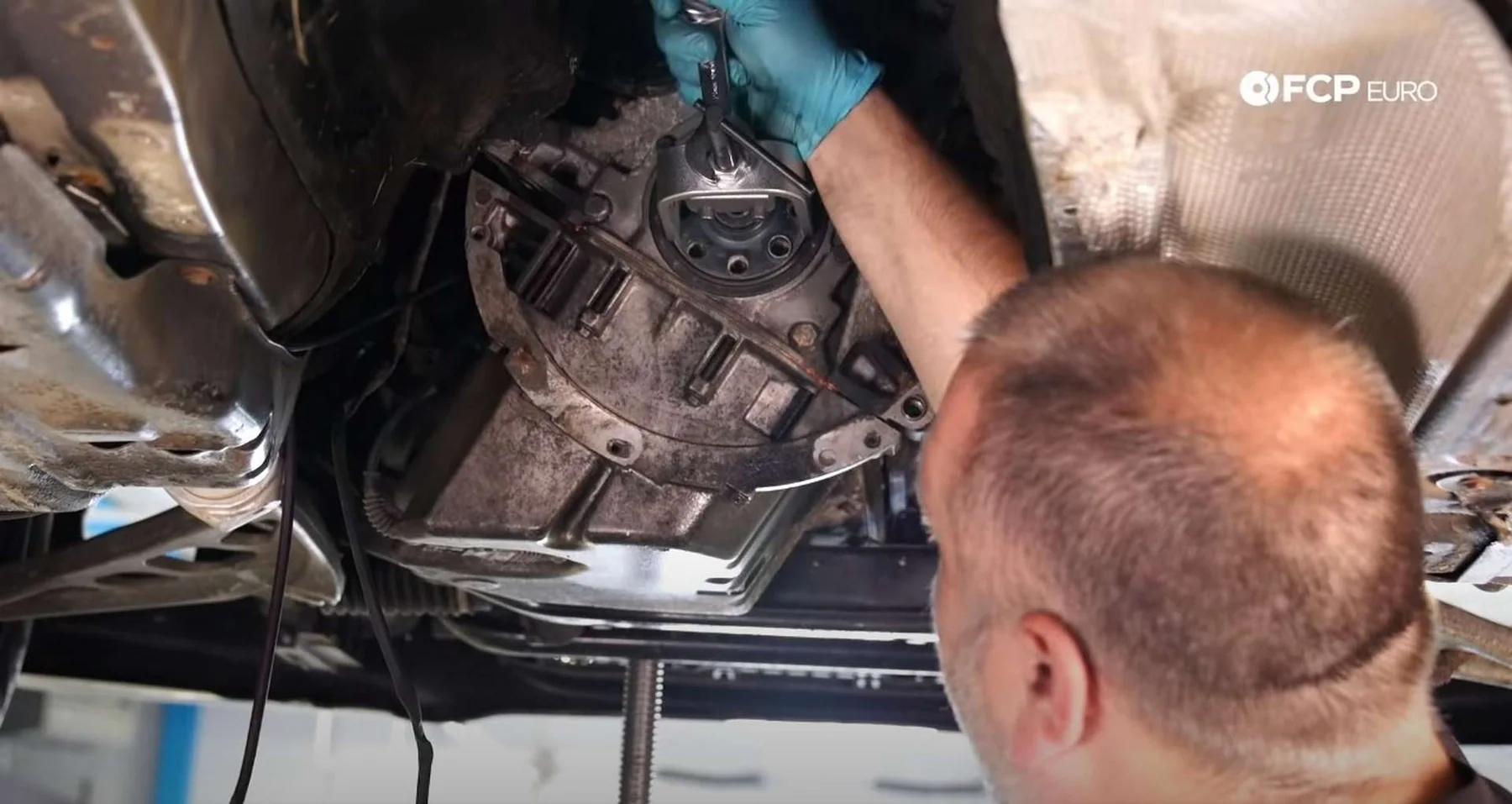
Beyond that: check for the usual oil leaks at the valve cover and oil filter housing, look at the radiator and hoses because everything plastic is old, and expect the fuel pump, all rubber suspension bushings and the exhaust to need attention. None of it is expensive individually. All of it together adds up.
Interiors are the sleeper cost. Cracked dashboards are common and correct replacements are not cheap. Door cards sag, seat bolsters split, and the plastics have thirty-plus years of UV in them.
Budget honestly
Set aside a meaningful sum on top of the purchase price for a first year of catching up, and more if the car has been sitting. Sitting is worse than driving for these cars. A car used weekly by an owner who fixed things is a far better buy than a low-mileage garage queen with a decade of stale fuel and flat spots on the tires.
Prices swing wildly with condition and region, so shop broadly and be prepared to travel. The spread between a clean example and a project is much larger than the spread in asking prices.
Why bother at all
Because it is the last BMW with no electronic mediation between you and anything. Unassisted or lightly assisted steering that tells you what the front tires are doing. A chassis that moves around and lets you know before it lets go. Visibility out of a greenhouse that modern crash regulations made impossible.
It is slow by current standards. Genuinely slow. It also gives you more information per mile than almost anything built since, and that is the reason the M3 got expensive in the first place. The rest of the range does the same trick for a fraction of the money, and nobody has noticed loudly enough to price it yet.