The window on cheap OBS trucks is closing faster than the square body window did, and for the same reason: the people who wanted one at 19 finally have money at 39. Buy now and you're paying yesterday's prices. Wait and you're bidding against a restoration shop.
Sort the terminology first
Square body means the 1973-1987 GM C/K trucks, the C10 and its heavy-duty siblings. Boxy, round headlights early and stacked square ones later, and thoroughly picked over already.
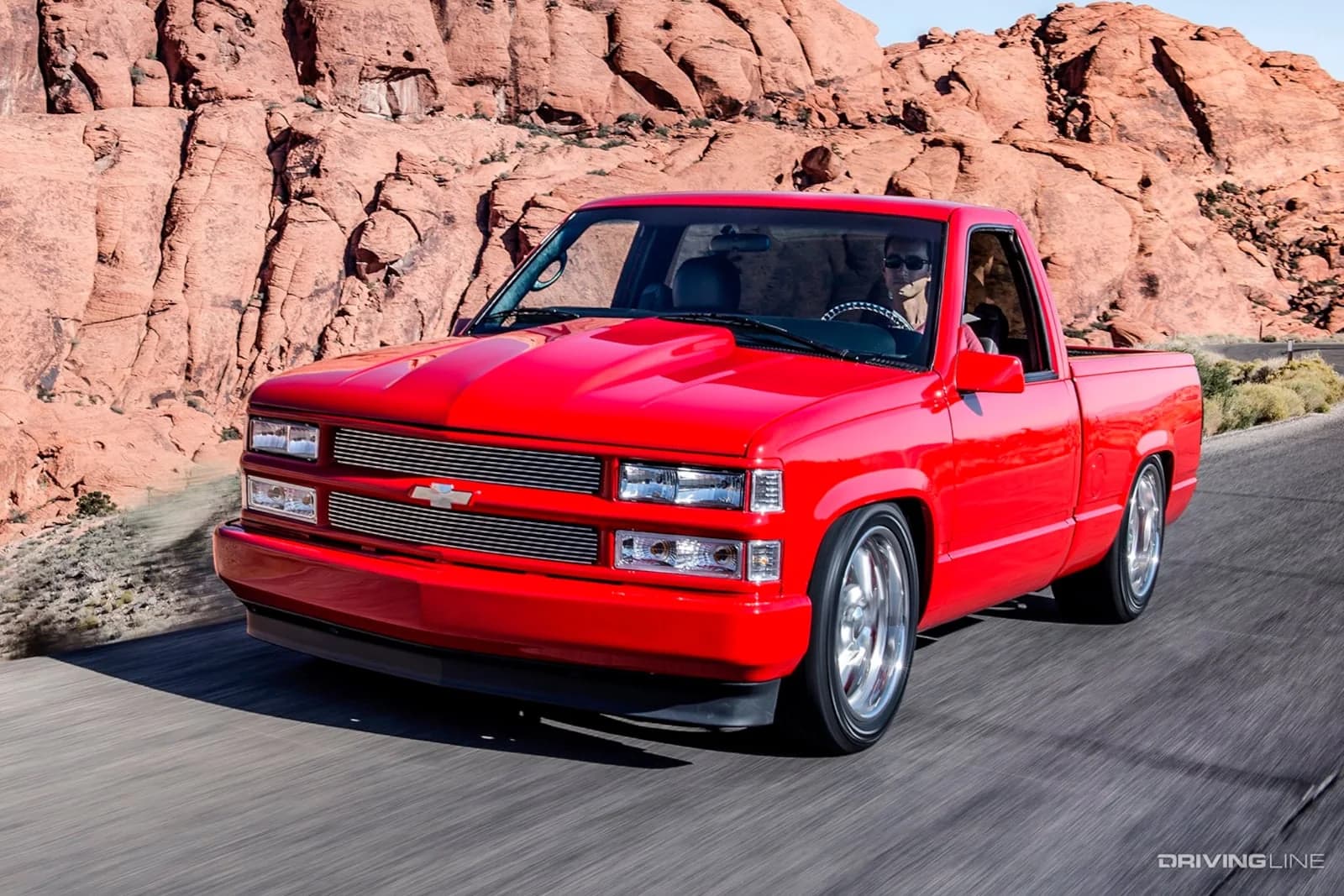
OBS stands for old body style, and the argument over what it covers is permanent. Chevrolet and GMC people mean the GMT400 platform, 1988 through 1998 for half-tons, with the heavy duty trucks carrying on a bit longer. Ford people usually mean the 1987-1996 F-Series, and specifically the aero-nosed 1992-1996 trucks.
For buying purposes: GMT400 is the value play right now, and single-cab shortbeds are already the expensive end of it.
What the money looks like
Prices move constantly and by region, so treat these as shapes rather than numbers.
A rough but running long-bed extended cab from a dry state generally sits at the bottom of the market, often a few thousand dollars. A solid, straight, single-cab shortbed with decent paint has climbed well into five figures, and genuinely clean low-mile examples reach numbers that would have been funny in 2015.
The gap between the cheap one and the good one is almost exactly the cost of doing bodywork properly, which tells you something important: buying the good one is usually cheaper than fixing the bad one, unless you own a paint booth.
Where these trucks rot
Bring a flashlight and a magnet, and check in this order.
- Cab corners and rockers. Universal, expected, and only a real problem when the rot has gone through into the floor.
- Floor pans under the carpet. Pull the corner up. The cowl vents on these trucks route water down inside the kick panels when the drains block, and the damage shows up in the front floors.
- Bed sides above the rear wheel arches and the bed floor under the mat.
- Rear cab mounts and the frame over the rear axle. Structural, expensive, and the reason to walk away.
- Front fenders behind the wheel and the lower door skins.
Panels are available for these trucks and they're not expensive as parts. The labor to cut, fit, and blend them is what ends projects, so price the bodywork before you fall in love with a project truck.
Drivetrain: the least important thing
The 5.7-liter TBI 350 in an early GMT400 makes around 210 horsepower and will run essentially forever with basic care. The later Vortec 5.7 makes meaningfully more power and brought the central port injection system whose plastic poppet fuel injectors are a known failure item. The 7.4 exists if you enjoy fuel stops. Ford's counterparts run the 4.9 straight six, the 302, the 351W, and the 460, with the six being the least powerful and the most stubbornly alive.
Transmissions matter more than engines here. The 700R4 and early 4L60 are the weak point on GM trucks and a rebuilt 4L60E is a normal expense. Ford's E4OD has a similar reputation, while the C6 and the manual ZF five-speed are tough.
Say it plainly: buy the body, not the drivetrain. An engine swap or a rebuilt transmission is a known cost with a known outcome. Rust repair is neither.
What to check before you hand over money
- VIN and title match, and the truck has not been retitled after a theft recovery.
- Fuel pump and sending unit behavior. In-tank pumps on these are old and the gauges lie.
- Dash pad cracks and the instrument cluster, which are cosmetic but expensive to correct properly.
- HVAC blend doors and the AC system, since converting an old R-12 system properly is not free.
- Steering box play, idler arm, and the whole front end, which is worn out on essentially all of them by now.
- Evidence of a previous lowering job done badly, meaning cut coils, no C-notch, and stock-length shocks.
The honest recommendation
Buy the boring one. A long-bed regular cab or an extended cab from a rust-free state, mechanically honest, with paint you can live with, costs a fraction of the shortbed everyone wants and drives identically.
If you want the shortbed silhouette badly enough, know that bed swaps and shortening are done constantly and are cheaper than the price gap in a lot of markets. Either way, the truck to avoid is the one that already got a bad drop, a cheap respray, and a set of wheels the seller keeps describing as an investment.