Two hundred thousand miles on a modern half-ton is not the death sentence it was in 1994. Engines and transmissions got dramatically better. Almost everything bolted around them did not, and that gap is where your money goes.
The odometer is the least useful number on the truck
A 180,000-mile highway truck that pulled a boat twice a summer is in better shape than a 90,000-mile truck that idled on job sites eight hours a day. Idle hours put wear on an engine that no odometer records, which is why ex-fleet trucks feel exhausted at mileages that mean nothing on a commuter.
Look for the pattern instead of the total. Even wear on the pedals and steering wheel, an engine bay that's dirty in a normal way rather than suspiciously steam-cleaned, and a folder of receipts all beat a low number.
Frame and body decide whether the truck has a future
Engines get rebuilt. Frames get scrapped. Anywhere roads get salted, structural rust is the actual pass/fail test, and it's the one inspection nobody does properly because it requires getting dirty.
- Rear frame rail over the axle and at the spring hangers. Poke it with a screwdriver. Flaking scale is normal; a screwdriver going through is the end of the conversation.
- Rear cab mounts and the boxed section behind the cab, which traps mud and rots from the inside out where you can't see it.
- Cab corners and rocker panels, particularly at the door seals.
- Bed sides above the rear arches, the first panel on any truck to bubble.
- Brake and fuel lines along the frame. Cheap parts, brutal labor bill, and a seized line is an MOT-style failure waiting to happen on a mountain road.
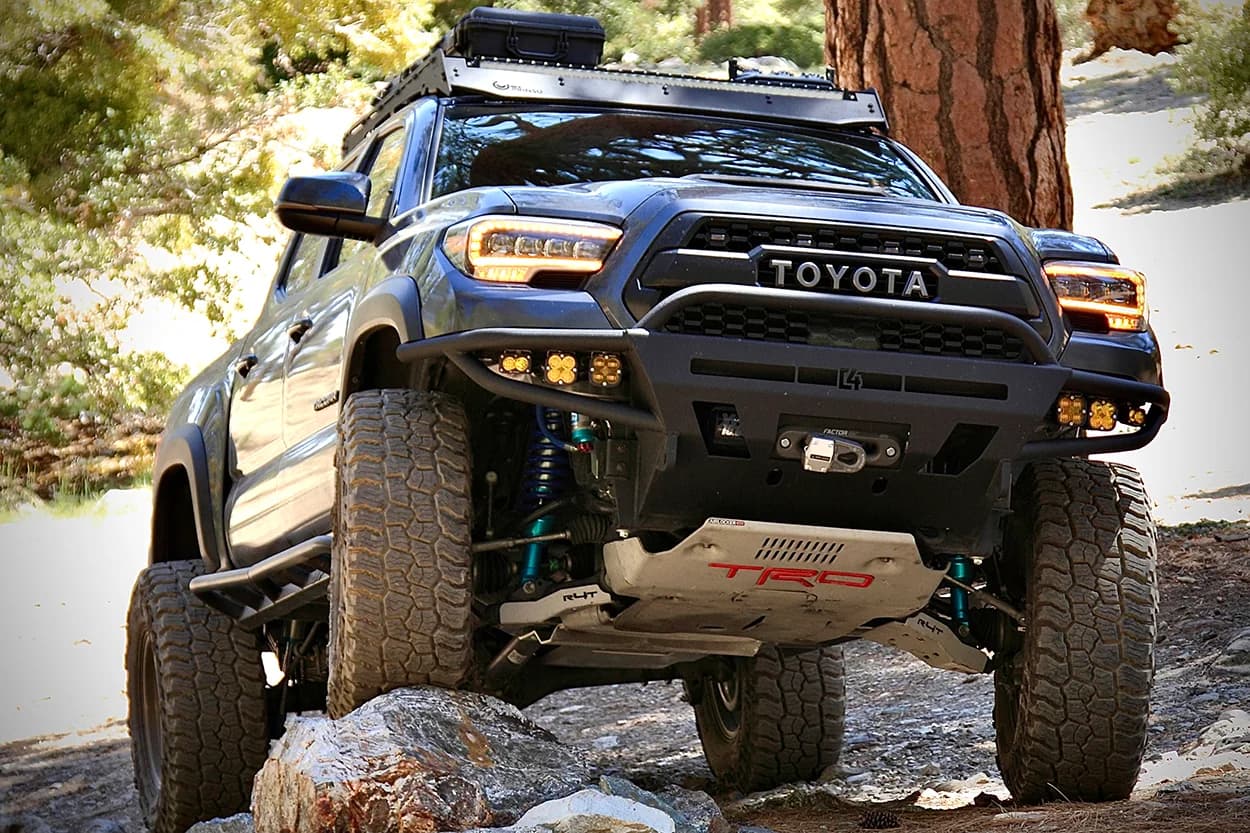
Toyota ran frame buyback programs on early Tacomas and Tundras. Nobody is immune to this, including the brands with reputations.
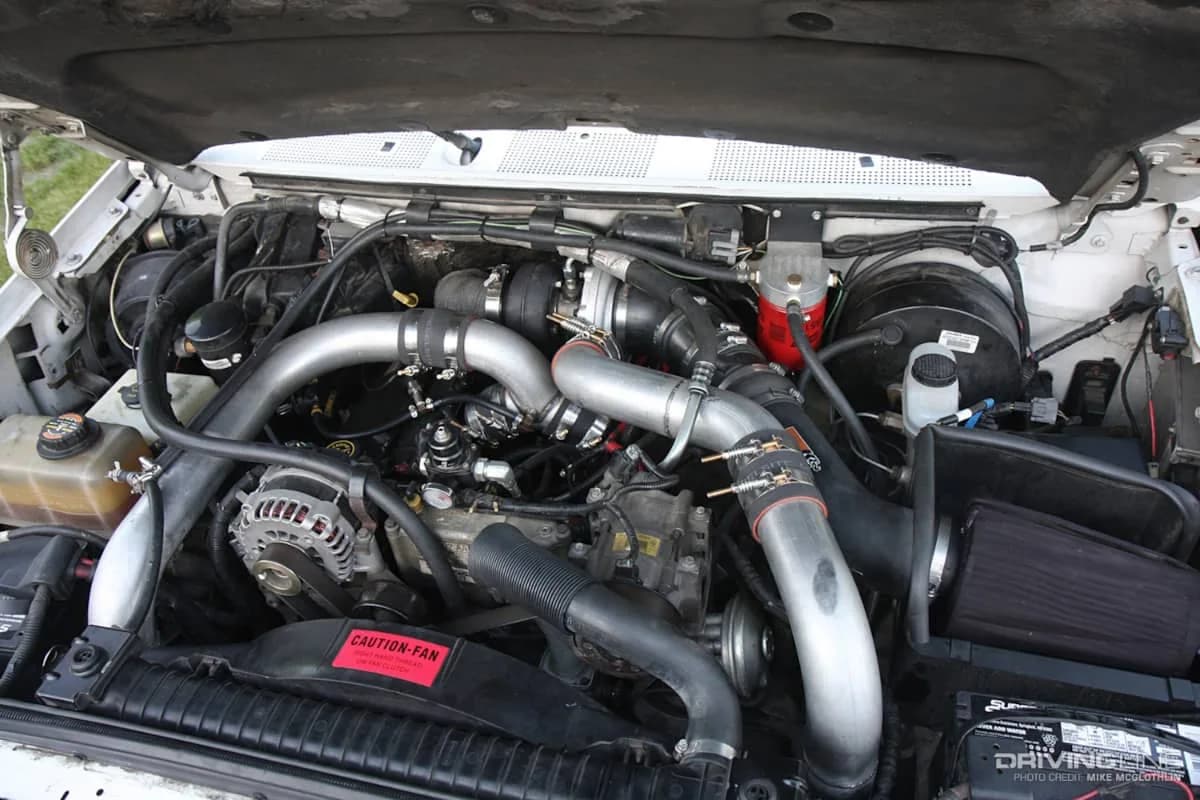
Every engine family has known homework
You aren't buying "a V8," you're buying a specific one with a specific bill attached.
- Ford 5.4 3V (2004-2010): cam phaser rattle on cold start and spark plugs that break off in the head during removal. Budget for both. Earlier two-valve 4.6 and 5.4 engines could push plugs out of the head entirely.
- GM 5.3 with Active Fuel Management: oil consumption and collapsed lifters. Pull the dipstick yourself and listen for a tick at idle. Disabling AFM is a well-understood fix, not a mystery.
- Ram 5.7 Hemi: exhaust manifold bolts snap and produce a cold-start tick, and MDS-era lifter and camshaft wear is a genuine risk. Neither is automatically fatal. Both cost real money.
- Toyota 5.7 (3UR-FE): legitimately durable. Check the secondary air injection system on earlier trucks, then go back and check the frame twice as hard as you checked the engine.
Whatever it is, cold-start it yourself. Sellers warm trucks up before you arrive for exactly one reason: most of the tells only happen once.
Transmission and driveline test drive
Truck automatics are strong right up until maintenance stops. Get the transmission to full operating temperature and feel for a shudder around 35 to 50 mph under light throttle, the classic torque converter symptom on GM six-speeds. A fluid service sometimes only postpones it.
Then work through the rest:
- Four-wheel drive engages and disengages cleanly in both high and low, with no grinding.
- No clunk on throttle transitions, which points at u-joints, a dry slip yoke, or diff backlash.
- Ball joints and upper control arms, which Ford half-tons in particular consume.
- Wheel bearings, audible on a gentle highway sweep left and then right.
- On Fords, a clicking from the front hubs at low speed usually means the vacuum wheel-end actuators.
What high mileage genuinely costs
A 200,000-mile truck isn't a cheap truck. It's a cheap purchase with a deferred maintenance bill stapled to it, and the useful thing is that the bill is largely knowable in advance. Plan on a few thousand dollars in the first year: every fluid in the truck, plugs and coils, a suspension refresh, probably brakes and tires, and one surprise you didn't budget for.
Priced honestly, that's still the best value on the used market. A clean, high-mile, well-documented half-ton from a dry state typically sits in a range that a comparable low-mile example roughly doubles, and the mechanical difference between them is a weekend and a parts order.
Hold one line and you'll be fine: buy rust-free and mechanically tired, never rusty and mechanically fresh. Anyone can fix tired. Nobody fixes rust cheaply, and the people who claim they can are trying to sell you a truck.