Every cheap diesel pickup is cheap for a reason, and the reason is always the same: somebody looked at a repair quote and decided it was your problem now. The good news is that the failures are catalogued. Pick the one you can afford to fix and you'll be fine.
Do this math before you shop
A $9,000 diesel with a $6,000 injection problem is a $15,000 truck. That sounds obvious right up until you're standing in front of one that idles fine.
Fuel system work on any of these is four figures minimum, often five. Set aside a real repair fund before you set a purchase budget, and treat any truck being sold "just needs injectors" as being sold at the price of a running truck minus nothing.
12-valve Cummins, 1989-1998
The 5.9-liter 6BT is the reason the Ram brand survived the early 90s. Mechanical injection, no computer in the fuel path, and in its final manual-transmission form roughly 215 horsepower and 440 lb-ft, which is nothing now and was enormous then.
The 1994-1998 trucks run the P7100 inline pump, the famous P-pump, and it is the single most desirable diesel fuel system in a consumer pickup. It's also why these trucks aren't cheap anymore.
What to check: the killer dowel pin, a factory dowel that can back out of the timing case and take the engine with it. The fix is cheap and well documented, so ask if it's been tabbed. Then check the transmission, because the 47RE automatic behind it is the weak link and the NV4500 manual has its own known fifth-gear issue.
24-valve Cummins, 1998.5-2002
Same displacement, more power, electronic VP44 rotary injection pump. That pump is the whole story. It relies on fuel flow from the lift pump for cooling, the factory lift pump is undersized, and when it weakens the VP44 cooks itself. Expect a four-figure bill.
The universal fix is a proper aftermarket lift pump with a pressure gauge you actually look at. If a seller has already done that and has the receipt, the truck is worth more than the one that hasn't. Also look up the block casting number; a specific casting from this era has a known cracking reputation and it's a two-minute check.
7.3 Powerstroke, 1994.5-2003
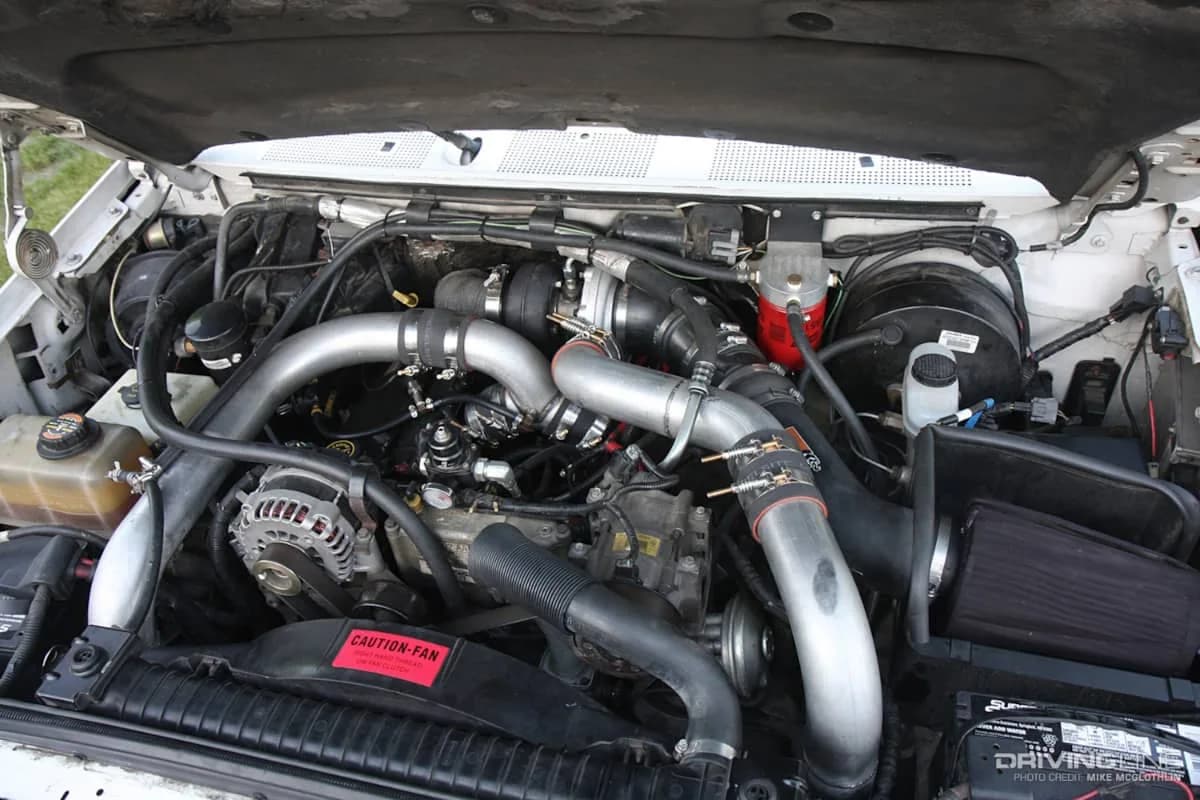
The 7.3 is the friendliest of the bunch to live with. HEUI injection means the engine fires injectors using high-pressure engine oil, so oil condition is not a suggestion, it's a fuel system component. Final versions made around 250 horsepower and 505 lb-ft.
Known items: camshaft position sensor failures that strand you without warning (carry a spare, they're small and cheap), injector o-rings, up-pipe leaks, and the glow plug relay. The 4R100 automatic is decent and the ZF six-speed manual is better.
Avoid the 6.0 that replaced it unless you fully understand what you're buying. Head bolts that stretch, EGR coolers, oil coolers that clog, and a repair path that generally involves pulling the cab. Bulletproofed examples with documentation exist and are worth it. Untouched cheap ones are a trap.
Duramax: know your letters
The 6.6-liter Duramax paired with the Allison 1000 is the best automatic combination of the era, but the engine codes matter enormously.
- LB7 (2001-2004): injectors sit under the valve covers, and when they fail the labor is the expensive part. Many have been done already under the old extended coverage. Ask.
- LLY (2004.5-2005): overheats towing heavy in the heat unless the known airflow fixes have been made.
- LBZ (2006-2007): the sweet spot. Stronger internals, no diesel particulate filter, and the six-speed Allison. Priced accordingly.
- LMM (2007.5-2010): same engine with emissions equipment. Fine truck, more to maintain.
What to check on any diesel, regardless of badge
- Cold start with no block heater plugged in. White smoke that hangs around means injectors or glow plugs.
- Blow-by: pull the oil fill cap at idle and watch how hard it puffs.
- Coolant condition. Neglected diesel coolant eats cylinder liners from the outside.
- Frame, rear spring hangers, and cab corners, same as any old truck.
- Emissions equipment status. A deleted truck is a registration and resale liability regardless of how it runs, and putting it back is expensive.
The one to buy on a normal budget is a clean, stock, well-documented 7.3 with service history. It's the least exciting answer and the one that leaves you with money for fuel.