Somewhere between the last printed issue of a magazine with truck in the title and the current wave of bagged OBS builds, a whole scene got declared dead by people who had simply stopped being sent invitations. Mini-truckin' didn't end. It stopped being legible to anybody outside of it.
What the scene actually was
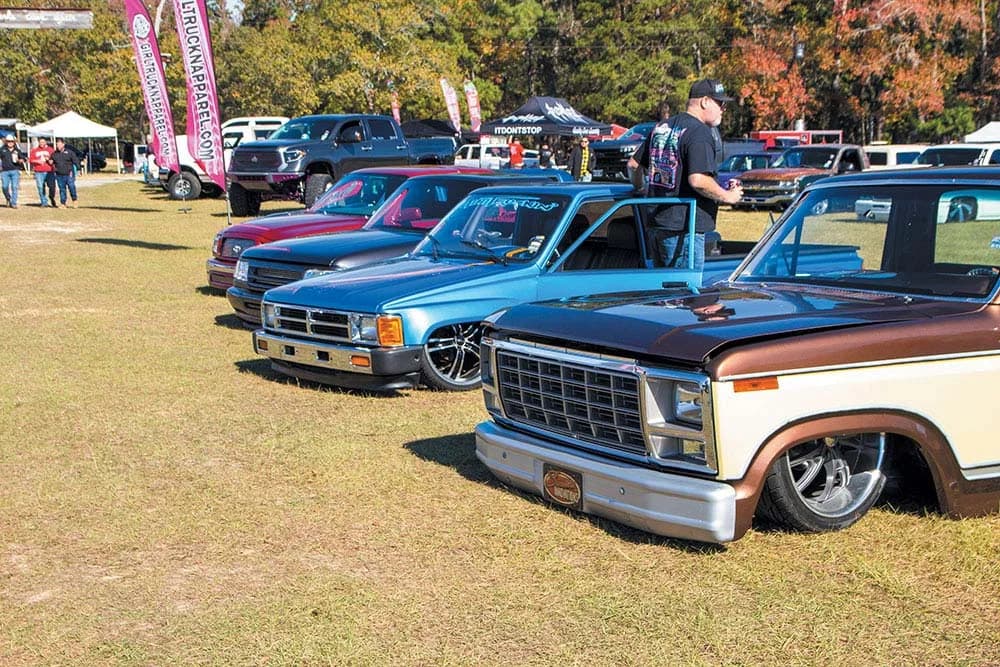
Cheap small pickups in the 80s and 90s were everywhere and worth almost nothing. A Mazda B2200, a Nissan Hardbody, a Datsun 620, an S-10, a first-gen Ranger, a Toyota pickup. Working-class trucks bought by working-class kids who then spent every spare dollar making them do something no truck was designed to do.
The vocabulary was specific and the standards were high. Shaved handles. A body drop, meaning the cab was physically cut and re-mounted lower on the frame instead of just suspended lower. Tubbed beds, murals, and hydraulic bed dancers built for shows. Club plaques in the back glass. The whole thing was fabrication-first in a way most modern car scenes are not, because you could not order any of it from a catalog.
Why it looked like it died
Three things happened at once, and none of them were about the trucks getting worse.
The small pickup essentially disappeared from the American market. The trucks that stayed grew into mid-size vehicles priced like cars, and the cheap donor supply dried up. You can't build a scene out of $18,000 used trucks the way you build it out of $900 ones.
Then the magazines folded. Print died broadly, and print was the distribution channel that made a regional scene into a national one. When the magazine went, the visibility went, and everyone outside assumed the activity had gone with it.
And the audience went online into closed rooms. Forums, then Facebook groups, then private accounts. Still there, just not indexed.
What it actually became
Look at what's popular right now and it's the same craft under a bigger body. Bagged OBS Chevys. Laid-out C10s on air. Squarebodies dropped to the ground with the wheel wells worked to clear a real wheel. Hardbodies and mini trucks selling for money nobody would have believed in 2009.
The technique migrated. Four-link rear suspension, notched frames, custom firewall and floor work to fit a body over a frame, and management systems that let a truck sit flat on the ground and then drive to breakfast. Every one of those solutions came out of the mini truck world and got adopted by builders who don't necessarily know that.
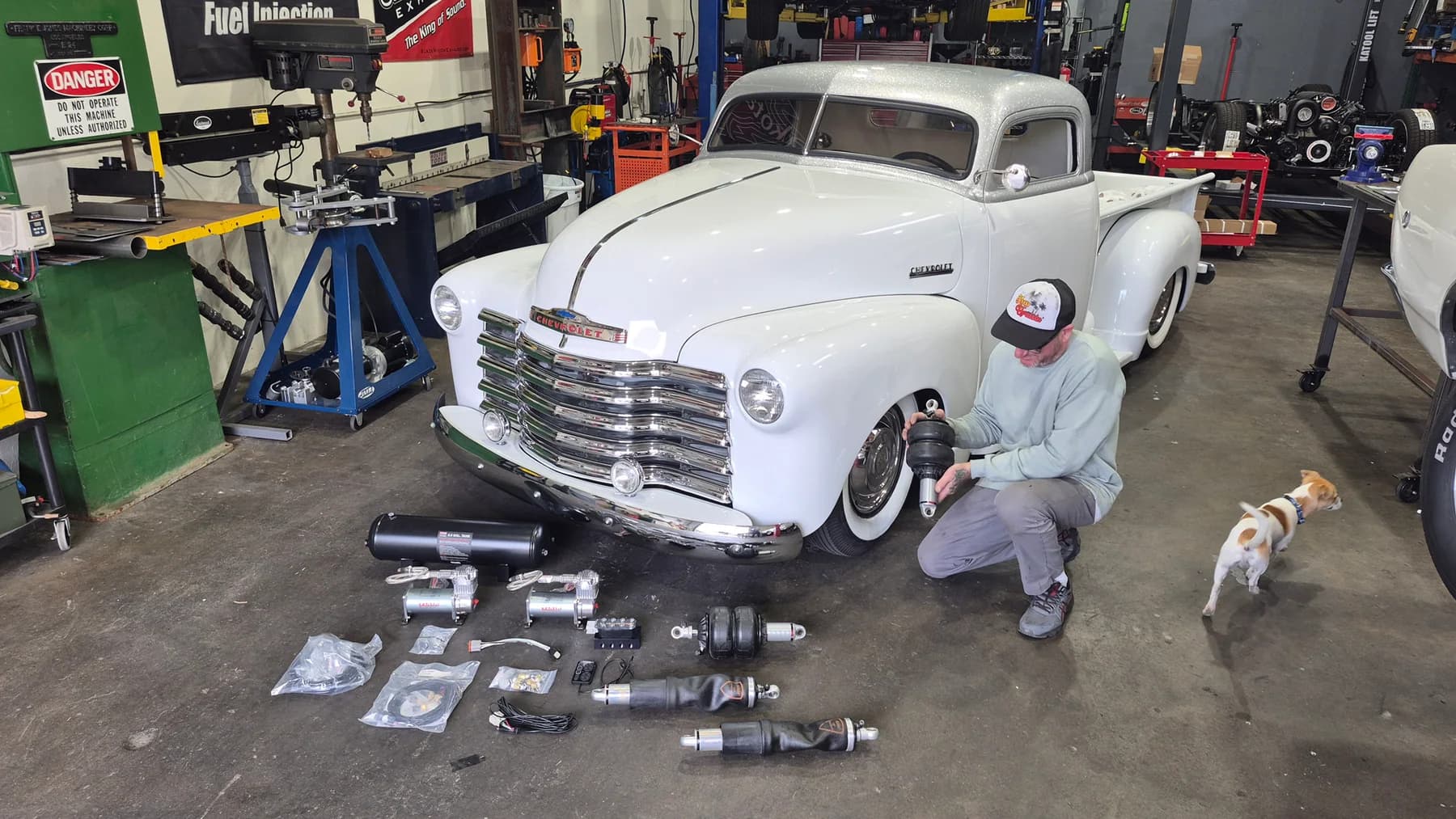
The build quality bar also rose. Air management that used to be a mess of hardware store fittings is now a bought, sealed, reliable system. The welding standards in a decent modern body drop would embarrass a lot of 90s show trucks.
Why it deserves more respect than it gets
Here's the uncomfortable comparison. A body drop is real fabrication. You cut the floor of a vehicle, relocate the cab, rework the transmission tunnel and firewall, and make the doors still close and the truck still pass a straight edge afterward. Get it wrong and the thing is scrap.
Most stance-scene car builds are a parts order and an alignment. That's not an insult, it's just a different level of commitment. The truck guys have been doing the hard version, quietly, in home garages, for thirty years, and they get treated as a punchline by people whose entire build is a coilover install.
The take
The scene didn't die, it aged and went private, and now it's on the way back up because the aesthetic came back around and the parts industry followed the money.
If you want in, the entry is still reasonable by current standards: a tired Hardbody or a long-bed squarebody nobody wants, a static drop to start, and the patience to learn to weld properly before you cut anything structural. Start with the truck people aren't fighting over. That's how the whole thing worked the first time.