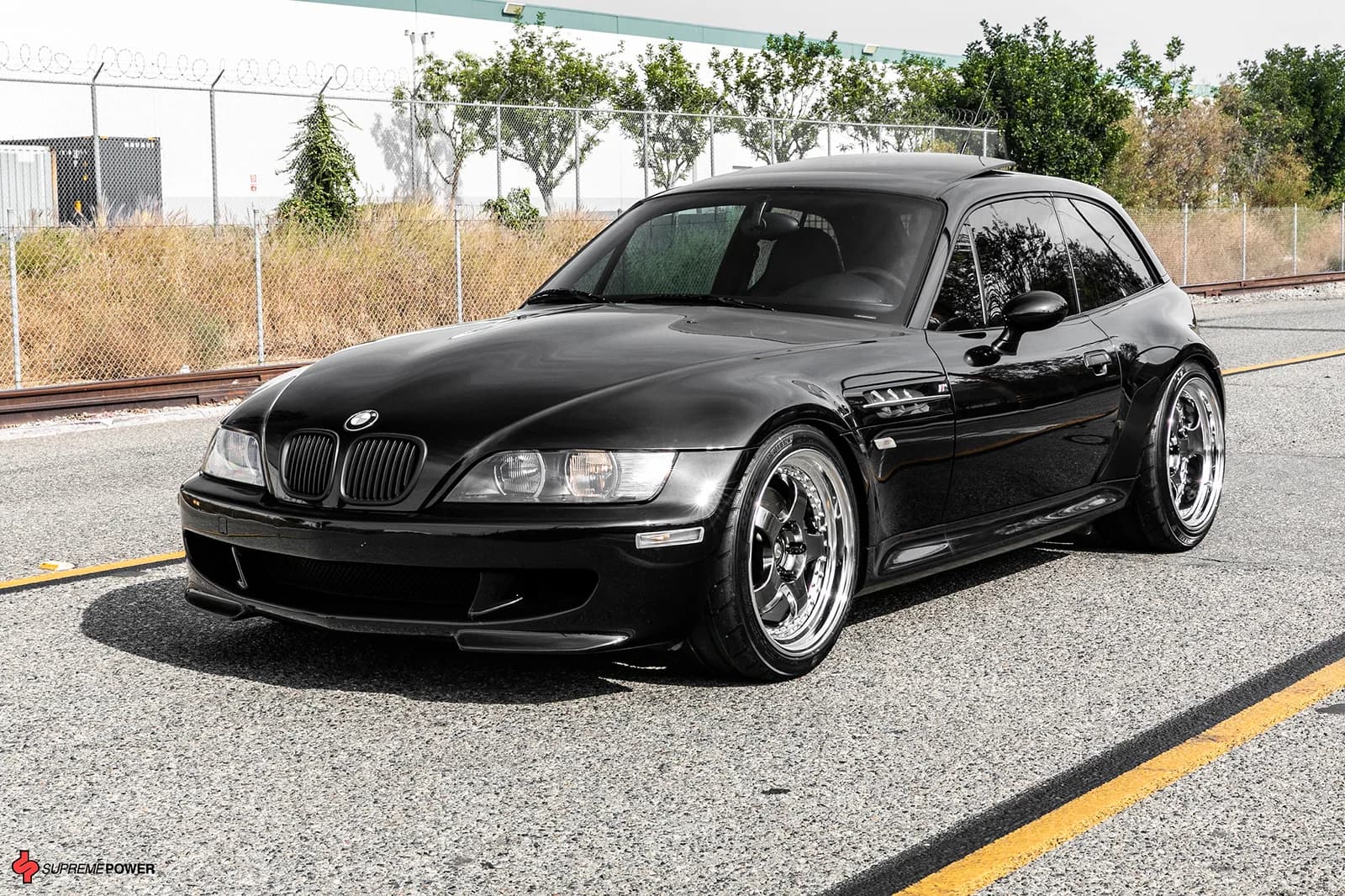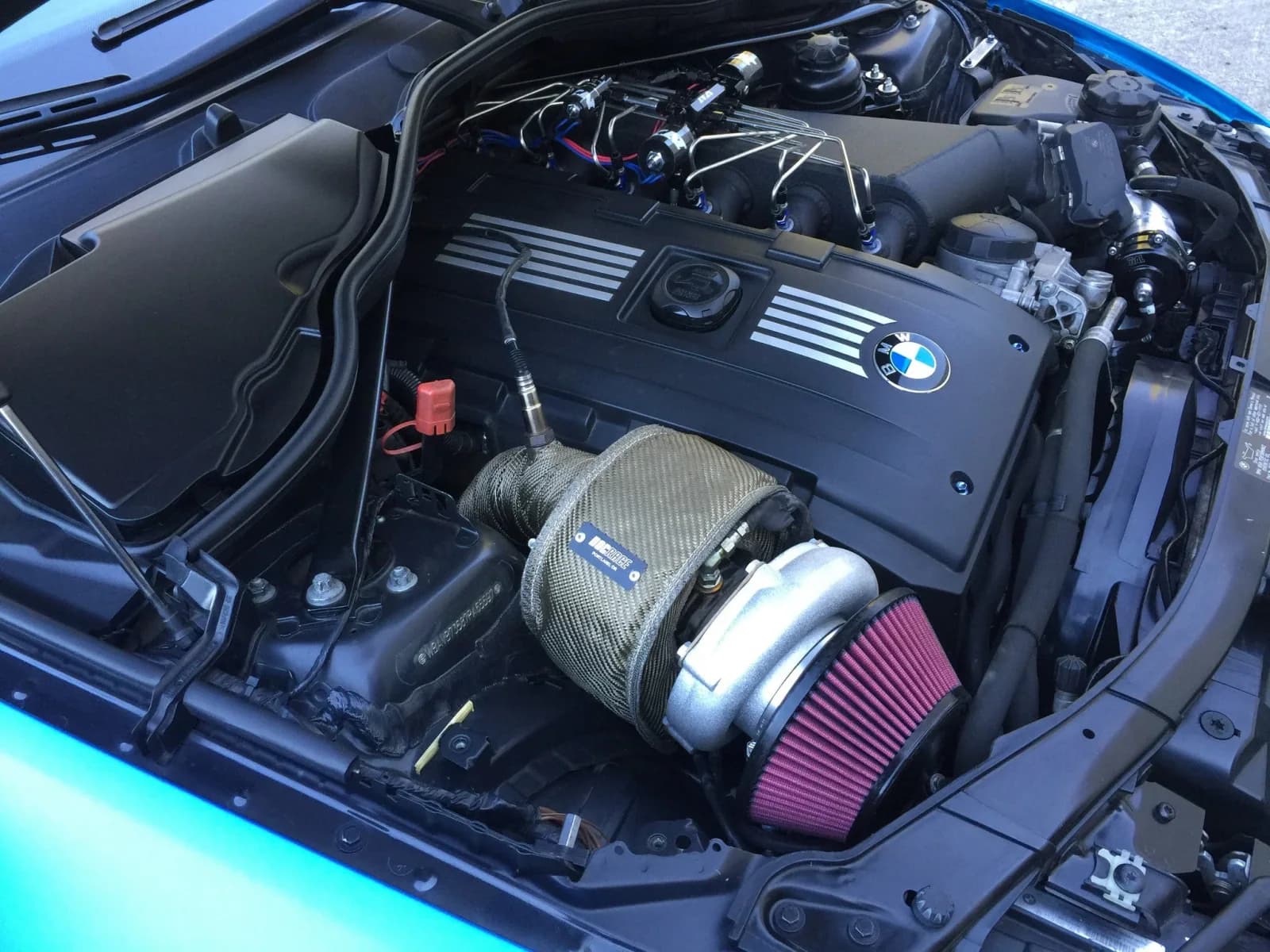
A well-considered N54 BMW fits naturally beside the newer M cars on TUNERS. The appeal is choosing a chassis, giving it a clear visual identity and developing a powertrain package around its intended use. “400 hp” can be part of that brief, but first it needs a measurement location, a fuel specification and a realistic assessment of the starting car.
Identify the engine and configuration
BMW's original 335i coupe material describes a straight-six with direct injection, an aluminum crankcase and two small turbochargers, each serving three cylinders. That is the factory architecture being discussed here. Avoid turning a general description of a turbo BMW into a specification for every 335i across years and markets. BMW's 335i coupe launch material.
Record the car's identity, engine, transmission and installed hardware. If it already has software, ask who supplied it, which revision is installed and what configuration it requires. A list of modifications and the word “tuned” are the beginning of that record.
Diagnose before replacing parts
There is a documented reason to investigate fuel-system history. In October 2010 BMW announced a US high-pressure fuel-pump action affecting some 2007–2010 twin-turbo models. The release described extended starting times and possible reduced-performance operation; the proposed work depended on each car's service history. It does not establish that every N54 needs a new pump today. BMW's dated recall announcement.
We would ask the inspecting workshop to retrieve faults, review previous repairs and explain any cold-start, hot-start or running concerns. The rest of our brief would cover leaks, cooling, intake/charge plumbing and drivetrain condition. Authorize repairs from findings, with part compatibility checked against the actual vehicle.
A fixed mileage for intake cleaning, or a blanket instruction to replace every injector, would skip the diagnosis this car needs. Keep the findings and the completed work together so the tuner knows the baseline.
Match software to what is installed
COBB's published N54 map notes distinguish calibrations by fuel and hardware requirements. They are a useful example of why a stage label is not enough: the selected file must correspond to the configuration and fuel it was designed for. These are supplier-specific notes, not a recommendation that every N54 use that product or its historical maps. COBB's N54 map notes.
Agree on the configuration with your tuner before purchasing parts. We would want a written fuel requirement, calibration identification, logging plan and a list of the conditions that require further diagnosis. An ethanol percentage copied from another build does not establish compatibility with this one.
Define what success looks like
State whether the target is engine or wheel horsepower. Retain the test equipment, conditions, fuel and torque curve with the result, and compare before-and-after measurements on a consistent basis. Describe the achieved output as measured for that car, rather than a guaranteed result of the parts list.
Budget for the drivetrain and chassis assessment alongside the engine work. We would ask about clutch or transmission condition, tires, brakes and alignment before deciding where the next increment of power fits. There is no universal clutch-slip threshold supplied here.
A complete N54 build can have a strong identity without claiming to be the cheapest route to a number. The useful launch story is how the owner chose, documented and finished the car.
Editorial build-planning analysis; no fixed output, ownership cost or stock-component limit is promised. Updated September 8, 2026.