Boost is not power. Boost is a pressure reading that tells you the engine is resisting the air being shoved at it, and treating that number like a horsepower dial is how good engines end up in the back of a truck.
Here is what actually happens between the click of a boost controller and the sound of a rod leaving a block.
Pressure is a symptom, airflow is the product
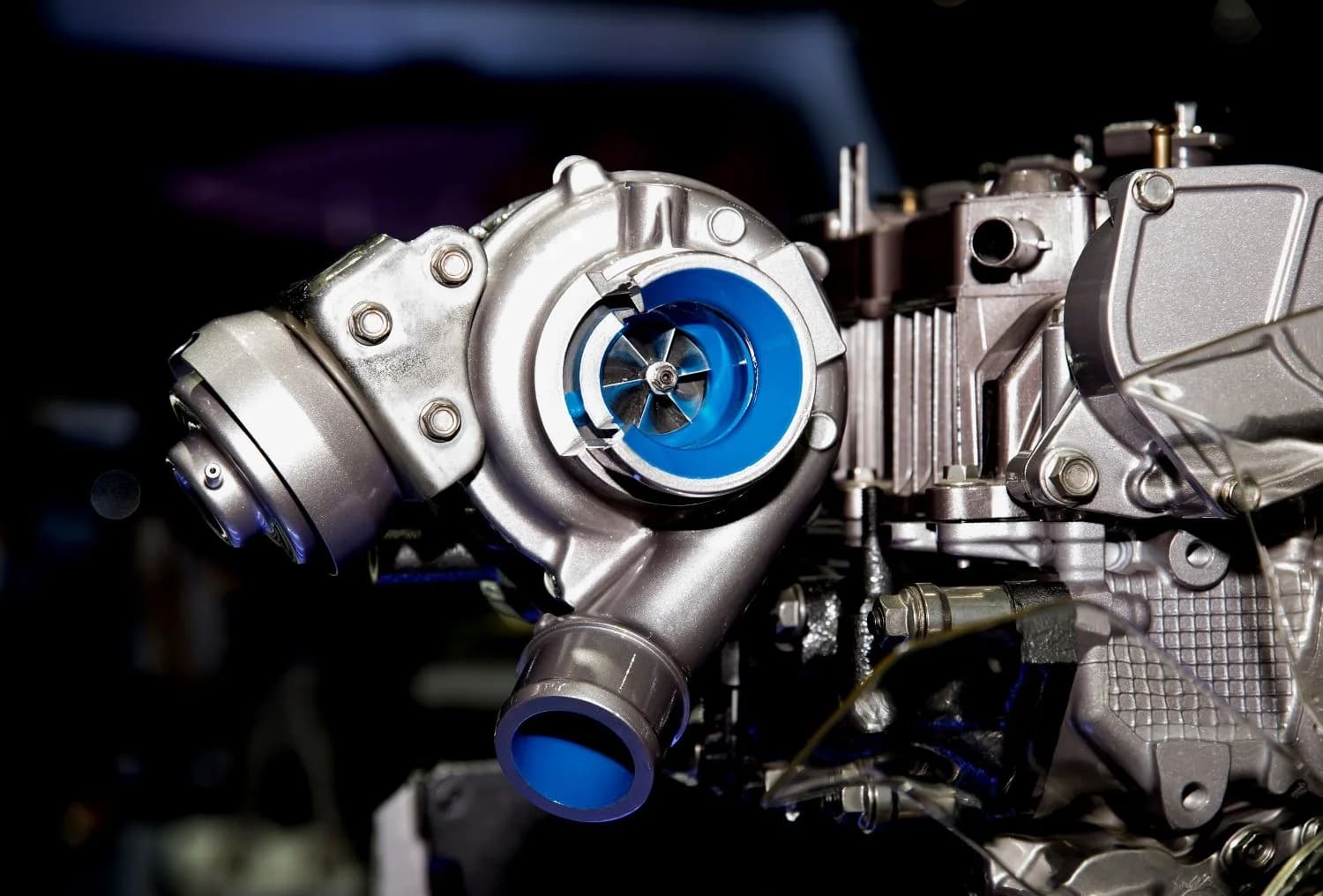
An engine makes power from a mass of air, not from a pressure. Two turbos reading the same boost can be flowing wildly different amounts of air depending on how efficiently each one is compressing it.
Every compressor has an efficiency range. Push a turbo past it and you are still adding pressure, but you are adding it as heat instead of density. The gauge climbs, the air gets hotter and less dense, the power curve flattens, and the risk keeps rising. "Just turn it up" hits diminishing returns long before it stops making any power at all.
Heat is the whole enemy
Compressed air is hot air. Intercooling exists to pull that heat back out before the charge reaches the cylinder, and how well it works is the difference between safe boost and expensive boost.
Two things people miss:
- Heat soak. A small core works beautifully for one pull and then stops working. Third-gear dyno numbers and third-lap track numbers are different animals.
- Pressure drop. A restrictive core costs you boost at the manifold, which the turbo then works harder to replace, which makes more heat. That is the loop you were trying to escape.
Detonation, in plain terms
You want the charge to burn as a controlled flame front moving across the chamber. Detonation is when heat and pressure cause part of that charge to ignite on its own and the two pressure waves collide. It sounds like marbles in a can and it hammers ring lands, head gaskets, and bearings.
Everything about turning up boost pushes toward detonation: more cylinder pressure, higher charge temperature, less knock margin. The engine's defense is pulling ignition timing, which costs power, and adding fuel, which costs efficiency. When there is nothing left to pull, the metal absorbs it.
Compression ratio sets the ceiling
A high static compression engine has less headroom for boost because you are stacking dynamic cylinder pressure on top of a mechanical squeeze that was already high. That is why factory turbo engines run lower compression than their naturally aspirated siblings, and why boosting a high-compression NA engine demands conservative timing, better fuel, or both.
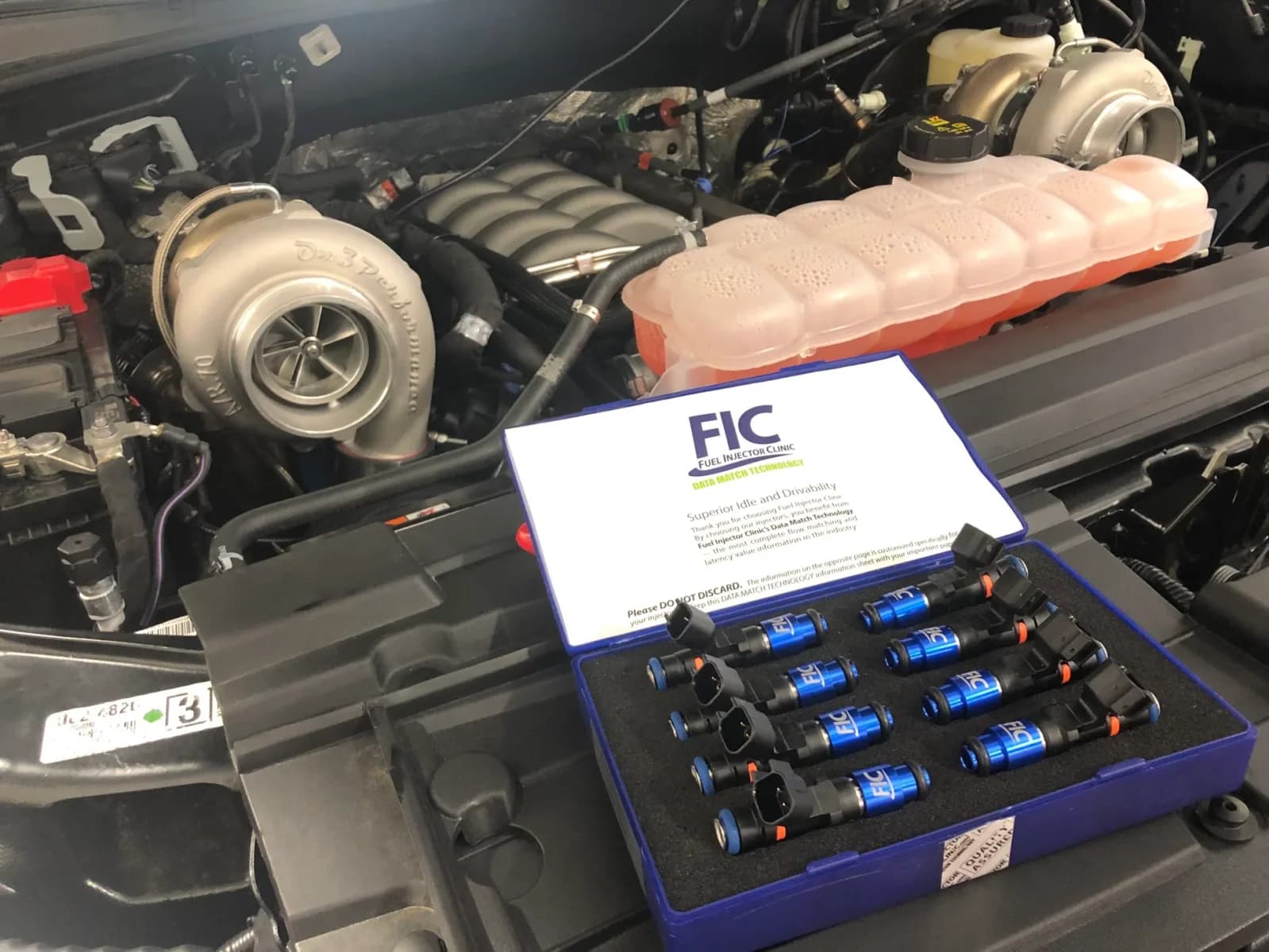
Fuel is the lever most people ignore. E85 and higher octane do not make power by themselves. They raise the detonation threshold so a tuner can give back the timing that makes power. Boost you can only run on race gas is boost you cannot actually use.
Turbo or supercharger
Both compress intake air. They pay for it differently.
- Turbochargers recover exhaust energy that was leaving anyway, which makes them efficient, at the cost of backpressure and a delay between throttle and thrust.
- Roots and twin-screw superchargers are belt-driven and positive displacement, so boost arrives with the throttle. They consume crank power to spin and add more heat per unit of pressure.
- Centrifugal superchargers behave like a belt-driven turbo: efficient up top, thin down low.
None of them is correct in the abstract. The answer depends on whether you want area under the curve or a peak number to quote.
What fails, and roughly in what order
On most stock bottom ends: head gasket first, then ring lands, then rod bearings, then a rod. Fueling failures kill engines faster than boost does. A pump running out of headroom at the top of fourth gear leans the mixture at the exact moment the cylinder is under maximum pressure, and that is a very short conversation.
The engines that live are on cars whose owners bought fuel system headroom and a real tune before they bought a bigger turbo.
The take
Anyone can add pressure. The skill is in adding airflow with the cooling, fuel, and knock margin to support it, and that gets measured on a dyno with a wideband and knock detection rather than on a boost gauge at a meet.
Turn it up when the fuel system, the charge cooling and the tune have all been proven at the level you are already running. Not one weekend before.