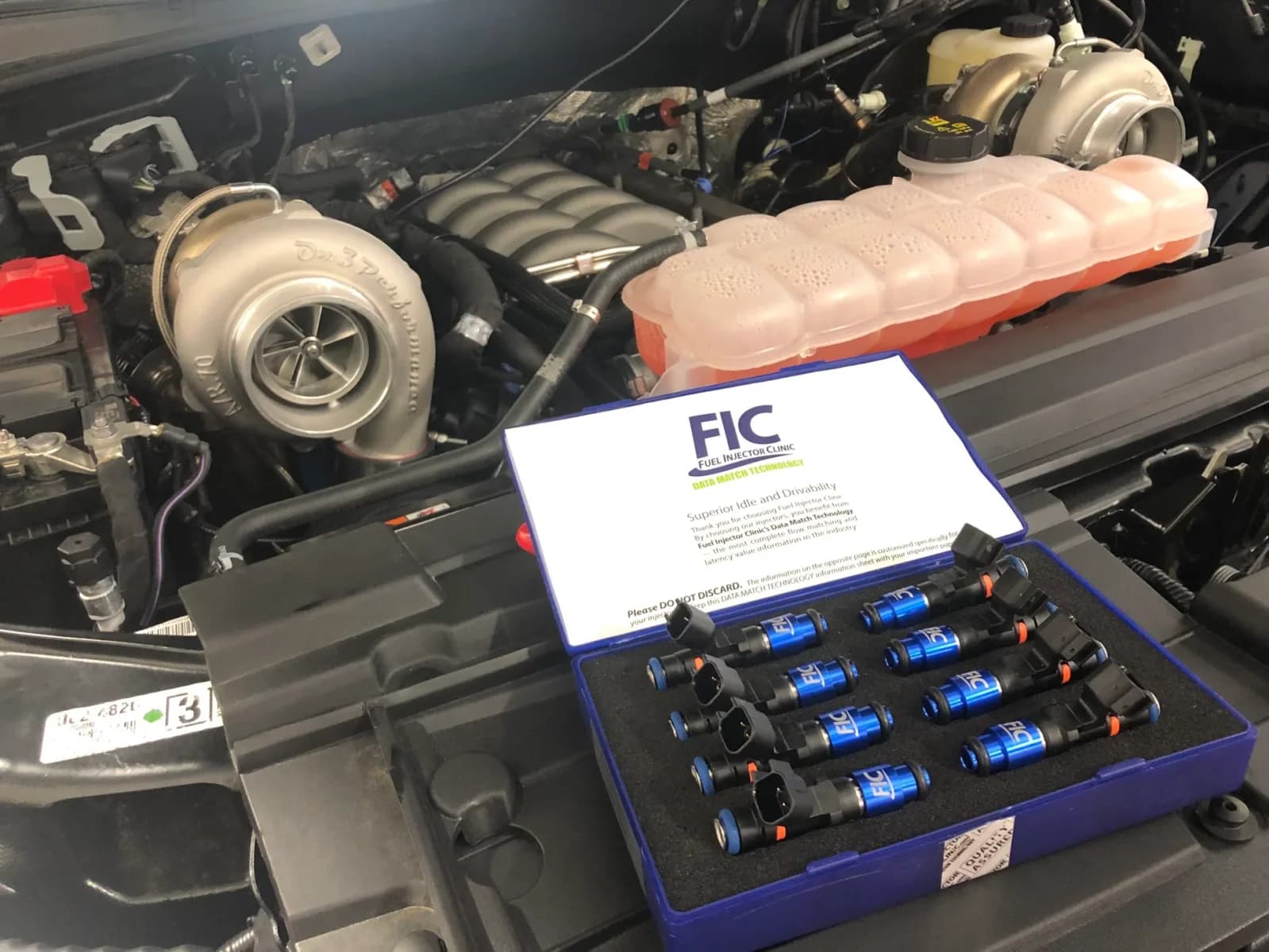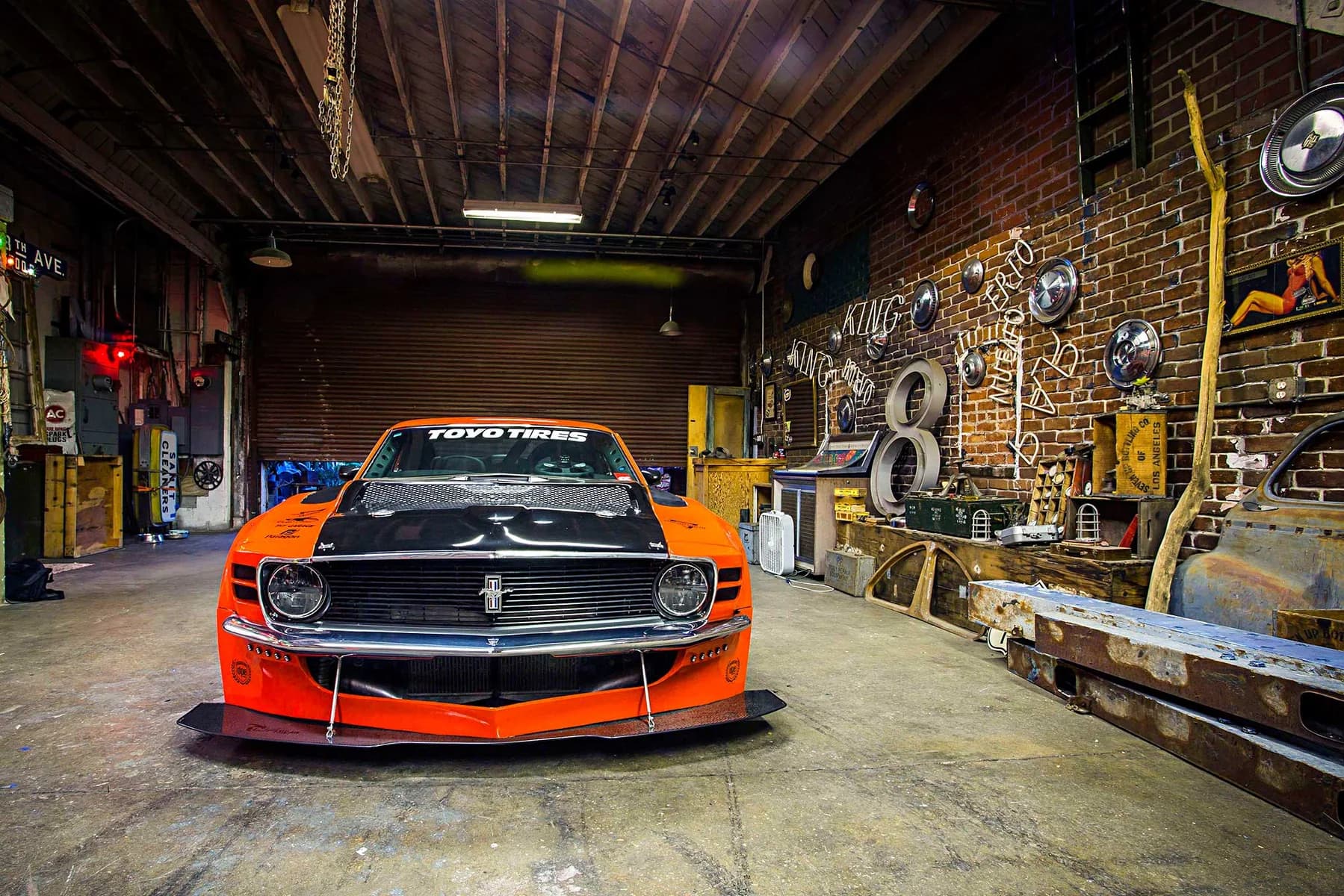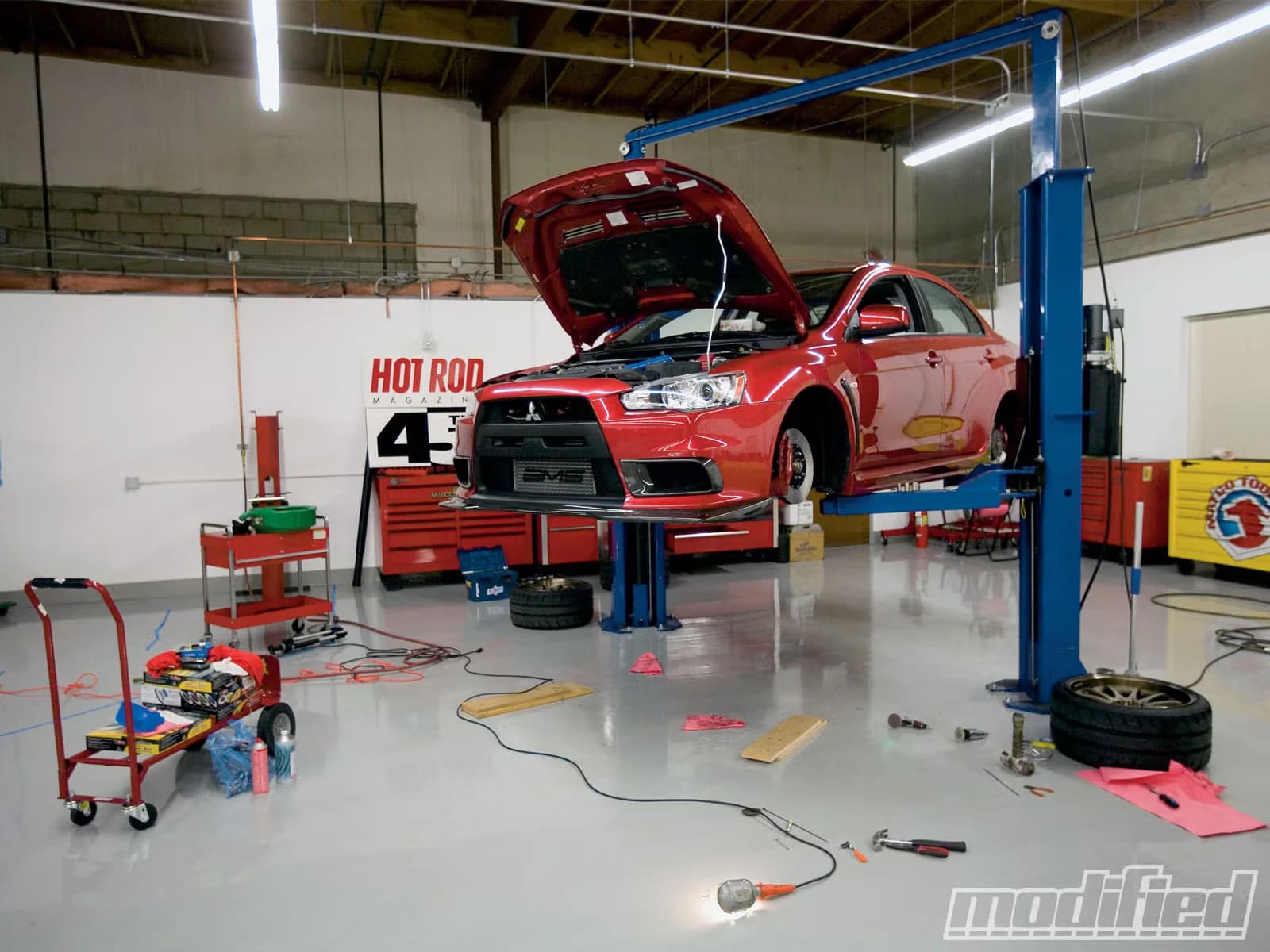
There is a specific guy in every local car group. He owns three cars. None of them run. He can tell you exactly what each one needs, and he has been telling you the same thing for two years.
He is not lazy and he is not broke by accident. He got caught in a failure pattern that has very little to do with money and everything to do with how projects actually die.
Builds die from disassembly, not difficulty
Nobody abandons a car in the middle of a hard job. They abandon it after a run of easy jobs turned it into a puzzle.
The pattern goes like this. You pull the interior to chase one rust spot. Then the wiring is out. Then the subframe is out because it was in the way. Six weekends later there is no car, only parts in labelled bins and a shell you have stopped walking toward.
A car that runs and drives generates motivation. A car in pieces generates guilt, and guilt is what makes people buy a second project instead of finishing the first one.
The second car is an escape, not an upgrade
Buying another project while the first one sits feels like momentum. You get the good part again: the search, the negotiation, the drive home, that first weekend of easy wins.
What you actually bought is a second set of consumables, a second insurance line, a second pile of platform-specific parts and a permanent excuse. Now neither car gets a full weekend of attention and both drift toward the state where selling means accepting whatever someone offers for a non-runner with an unknown history.
Money split three ways buys nothing
Spread $6,000 across three projects and you own three cars that almost work. Put $6,000 into one and you own a finished car you can drive, sell, or take to a track day.
Here is the resale part nobody wants to hear. A half-finished project sells for less than the sum of its parts, usually far less. Nobody pays retail for used aftermarket components already installed on a car with a story attached. The market prices "someone else's abandoned build" at a steep discount, and the market is right to.
Rules that keep a build alive
None of this is complicated. It is just unpopular.
- Keep it drivable. If a job will take the car off the road for more than a month, break it into stages that each end with the car running.
- One system at a time. Suspension weekend, then brakes weekend. Do not open the engine and the interior in the same month.
- Buy the whole job before you start it. Every part, every gasket, every bolt. Projects stall waiting on a $14 seal far more often than a $1,400 part.
- Set a date, not a spec. "On the road by spring" beats "when it's perfect." Perfect is not a date and it never arrives.
- No new project until the current one drives to work. Write that down somewhere. Tell someone who will hold you to it.
What finished cars are actually worth
Finished cars are rarely the fastest ones in the group chat. They are the ones that show up. The guy with a mildly built car that runs every weekend gets more out of this hobby in a year than the guy with three ambitious shells gets in a decade.
There is a pride argument too, and it is real. Driving something you built, that works, that you can hand the keys to a friend for, is a completely different feeling from owning the potential of three of them.
Sell the other two
If you are sitting on multiple stalled projects right now, the move is not to work harder. It is to pick the one closest to running, list the others this week, and accept less than you think they are worth.
You get money, you get space, and you get the only resource that has ever finished a build: undivided attention. The version of you that owns one running car is a considerably happier person than the version that owns three sets of promises.