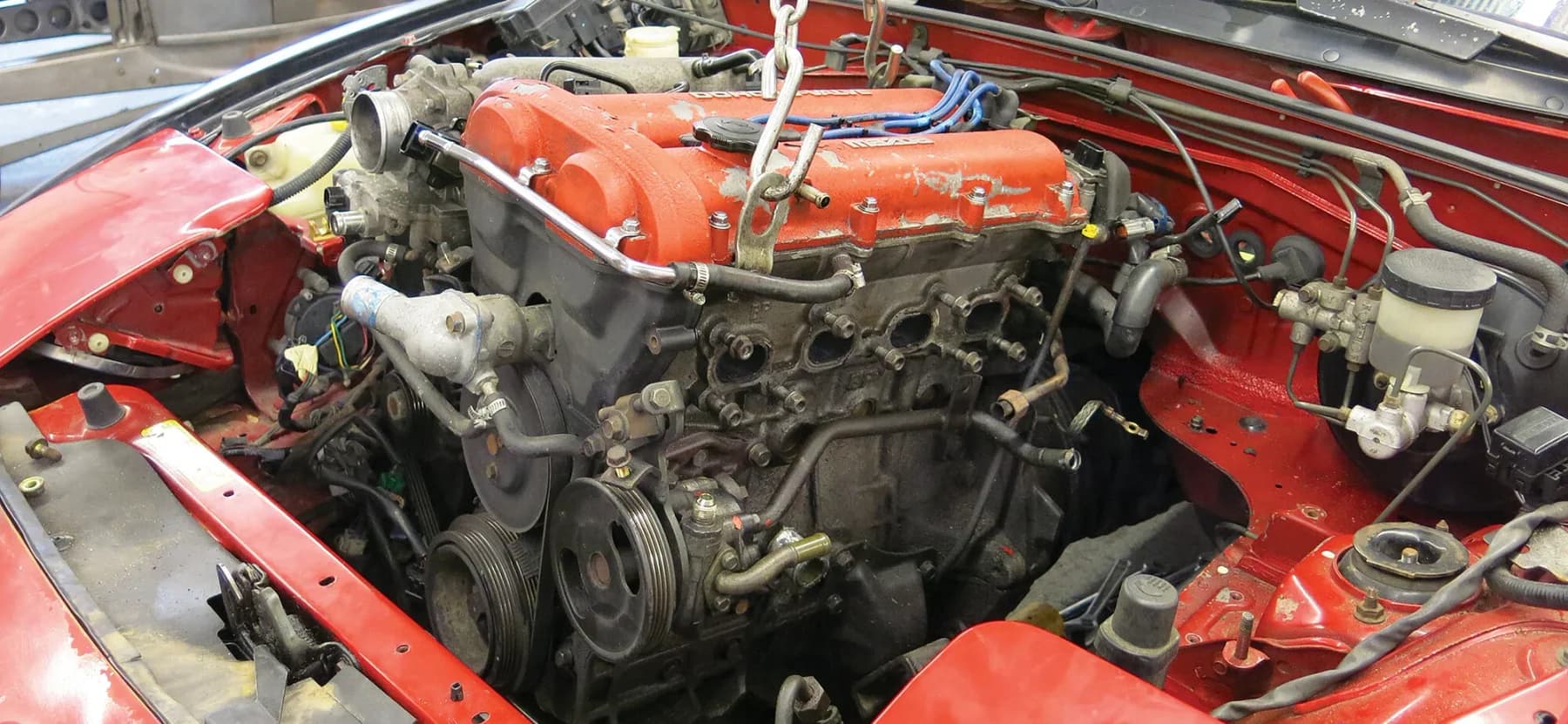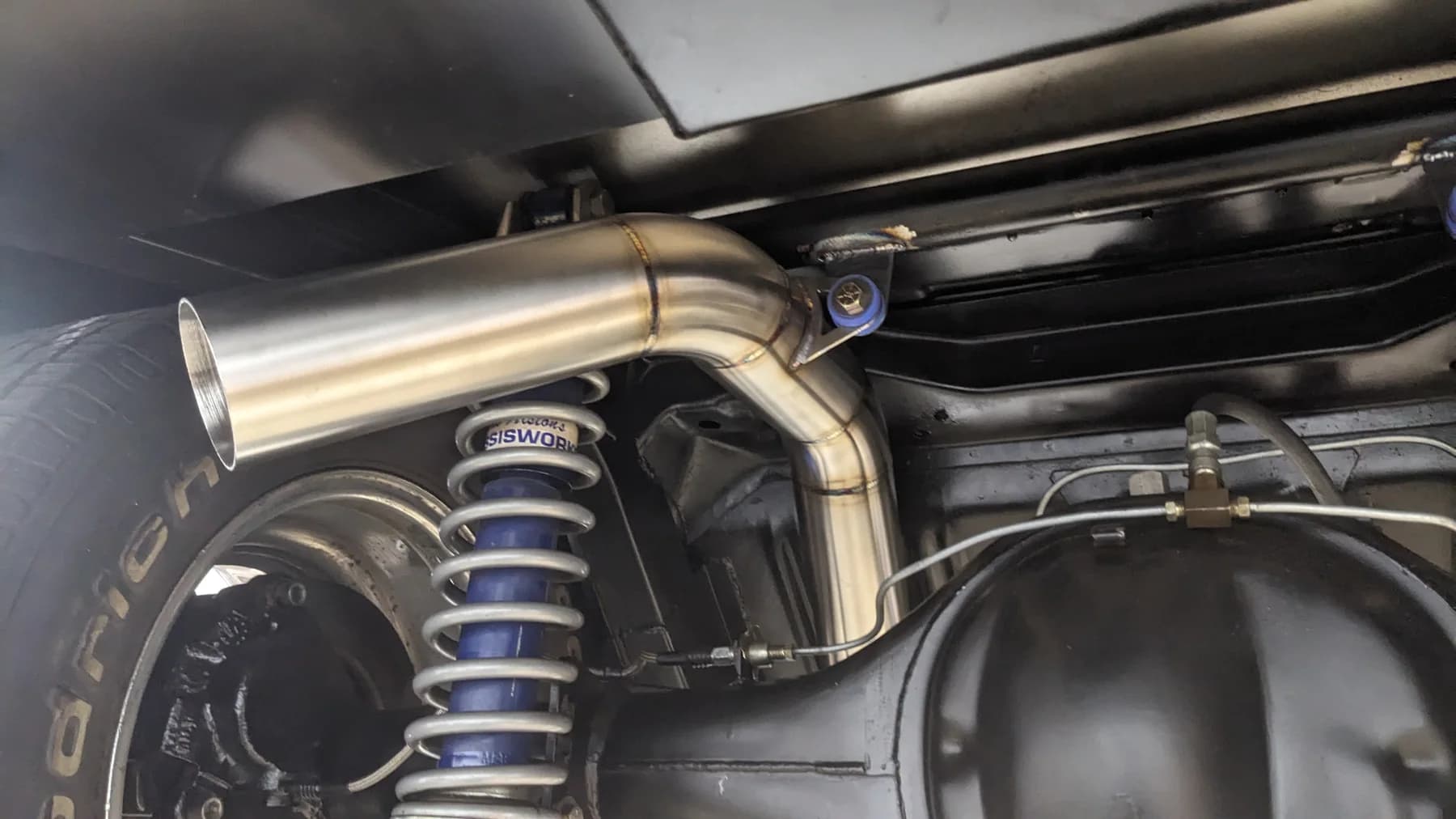
A G80 on the right wheels or an S-chassis with a clean, purposeful stance can stop a whole meet. The build becomes more convincing when its owner can explain how the car works as clearly as how it looks. Our first six priorities are about reaching that point.
This is an editorial order for a road car that may attend organized driving events. The inspection comes first; the exact parts list depends on the car, its condition and its intended use.
1. Establish the baseline
Before ordering performance parts, document the service history, existing modifications and unresolved faults. Have the car inspected, then separate required repairs from optional changes. Give a workshop the whole picture, including the calibration and fuel in use.
This stage earns first place because later comparisons need a starting point. If the car already pulls to one side or loses fluid, an upgrade can make the diagnosis harder without resolving the underlying problem.
2. Choose tires for the job
Set the intended use before choosing the tire. Include local weather, road mileage and any event requirements. Verify size, load and speed ratings with the appropriate suppliers, and check the tires already fitted for damage and age.
Keep a pressure gauge and follow the vehicle's cold-pressure instructions for its approved setup. A modified wheel-and-tire package needs guidance for that application. Michelin explains the role of regular pressure and condition checks in its tire-care guidance.
3. Prepare the brakes
Inspect the system before changing its specification. For a circuit event, ask the organizer and workshop what preparation the car needs, including pad condition, fluid suitability and service history. Record the requirements of the actual event rather than copying a parts list from a different circuit or vehicle.
Brake fluid is part of the operating system, not a finishing detail. Brembo describes its contribution to hydraulic operation, corrosion protection and resistance to vapor formation in its brake-fluid guidance.
4. Resolve alignment and clearance
Have worn components assessed before paying for an alignment. Then document the settings with the wheel, tire, suspension and ride height in use. Ask the installer to check clearance through steering movement and suspension travel.
A photograph of another car is a useful style reference. Its specification becomes a starting point for questions about your car, especially when brake packages or drivetrains differ.
5. Match the suspension package
Choose the springs, dampers and adjustment range around a clear brief. A kit's fitment and setup instructions matter more than its number of clicks. BILSTEIN's B14 description illustrates the principle of pairing vehicle-specific dampers and springs; it is one manufacturer's product, not a universal recommendation.
6. Decide what more power would solve
Once the car is healthy and its chassis setup is understood, discuss output with a qualified calibrator. Include fuel, transmission, cooling, intended use and local requirements. Ask for evidence on the proposed combination and keep factory engine ratings separate from chassis-dyno results.
The order gives the build room to develop. Keep notes after each meaningful change, take another look at the original brief, and spend where the car actually needs attention.
TUNERS editorial ranking; no comparative parts testing is claimed.
Updated September 5, 2026.