Nothing kills a Saturday like discovering that the job needs a tool you do not own and the store closed an hour ago. Tool buying is its own build, and doing it in the wrong order is how people end up owning a torque wrench they never use and no safe way to get the car in the air.
Here is the order that actually matches the work.
Tier zero: before you touch anything
You cannot do a single job safely without these, and buying cheap is fine for everything except the first two.
- Jack stands, four of them, rated well above your car's weight. Buy these good and buy them new. This is the one place where cheapness has a body count.
- A proper floor jack. The scissor jack in the trunk is for changing a tire on the shoulder, not for working underneath a car.
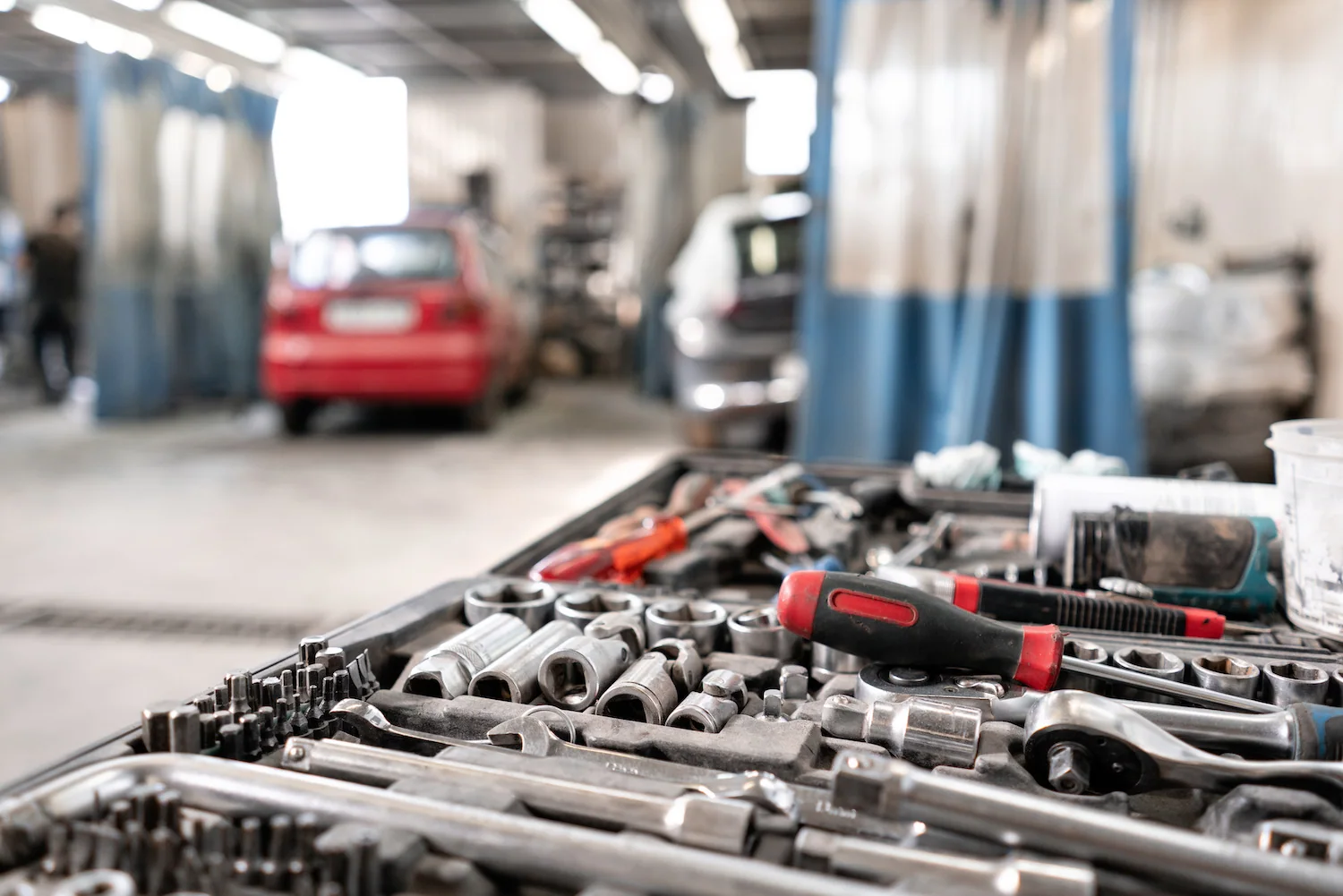
- A 3/8 drive socket set, metric and SAE, deep and shallow, plus a set of combination wrenches.
- A long breaker bar. It does most of what an impact does for a fraction of the money.
- Screwdrivers, pliers, side cutters, and a plastic trim removal set. The trim set saves more broken clips than it costs on the first job.
Tier one: the first ten jobs
Once you are doing brakes, fluids, and suspension, these earn their keep immediately.
- A torque wrench, 3/8 or 1/2 drive in a mid range. Click type is fine. Store it wound back to its lowest setting or it will drift out of calibration.
- An OBD2 scanner that shows live data. A code number tells you very little. Fuel trims, timing, and sensor voltages tell you almost everything.
- Drain pan, funnel, and a fluid transfer pump.
- Ratcheting wrenches. The biggest per-dollar time saving in a modern engine bay.
- A quality hex and Torx bit set, standard and tamper-proof, because half of what you meet is a fastener you did not expect.
- Penetrating oil, anti-seize, thread locker, and a wire brush. Consumables, technically, but they turn broken bolts into removed bolts.
Tier two: when you start opening things up
- A cordless impact wrench. Not required. Enormous quality of life improvement. Half-inch, mid torque, on whatever battery platform you already own.
- A ball joint and tie rod separator. Pickle forks destroy boots. A press-style separator does not.
- A torque angle gauge, because torque-to-yield fasteners have specs your click wrench cannot express.
- A multimeter. Electrical faults are the most expensive thing to hand a shop and among the cheapest to diagnose yourself.
- Jack pads and a creeper. Comfort is the difference between finishing a job and stopping halfway through it.
Tier three: rent, borrow, or wait
Some tools get used once a year. Buying them early is how a build budget disappears into a drawer.
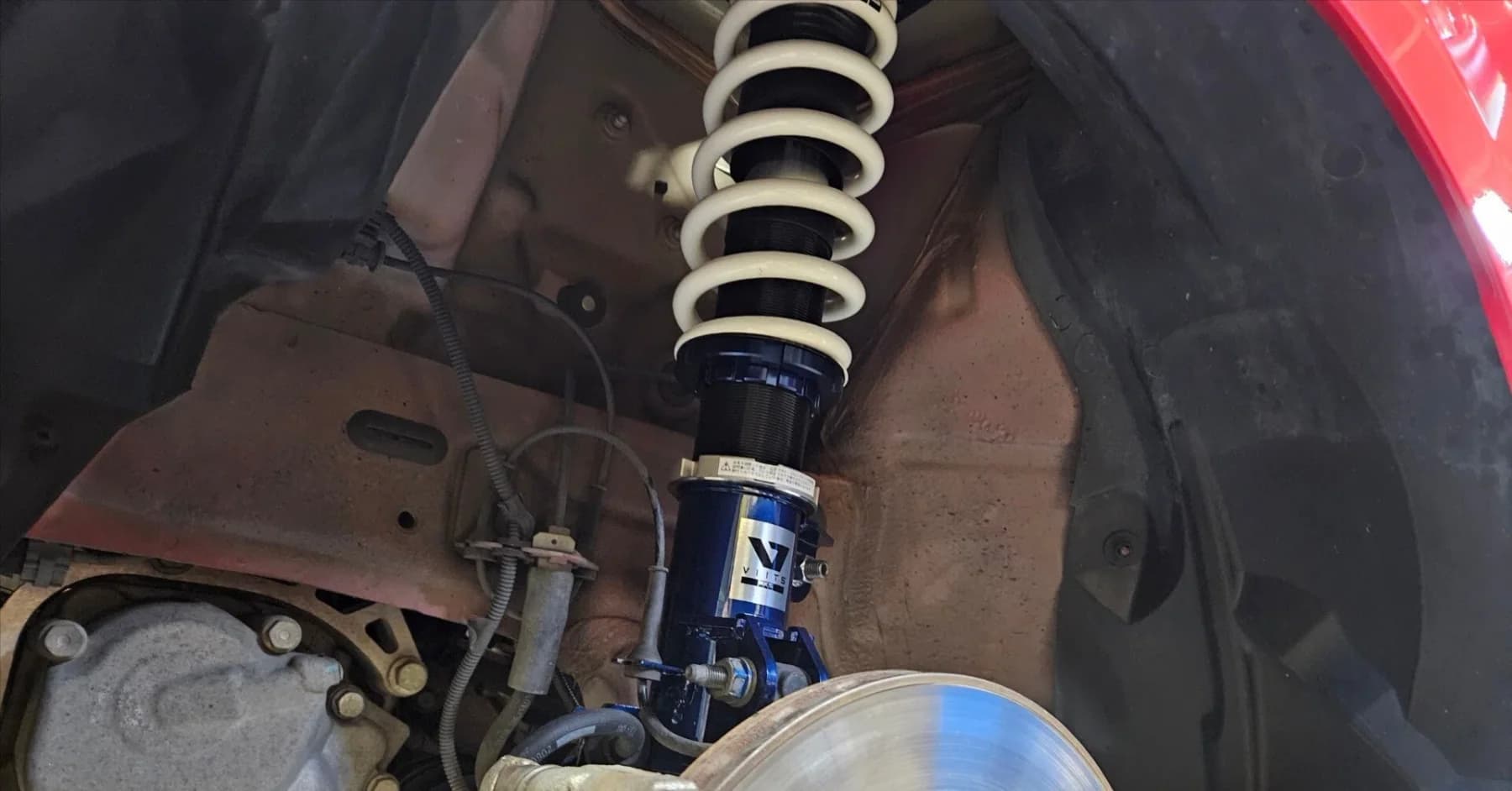
- Spring compressors. Genuinely dangerous. Use a parts store loaner or pay a shop.
- Engine hoist and stand. Rent, unless you are doing multiple engines.
- Bearing and bushing press. Rental kits exist for exactly this reason.
- A welder. The day you buy one you will find work for it, but this is a skill purchase before it is a tool purchase. Learn on someone else's first.
Where to spend and where not to
Buy good tools for the things in your hand every single time you work: ratchets, wrenches, sockets, screwdrivers. Cheap versions round fasteners, and one rounded fastener costs a weekend.
Buy cheap for anything used twice a year and for anything you will probably damage. Nobody needs a premium pickle fork or a heirloom-quality drain pan.
Loaner programs at the chain parts stores stay underrated. You leave a deposit, use the tool, bring it back, and get the money returned. That covers a surprising slice of tier two and most of tier three.
The last item, which is not a tool
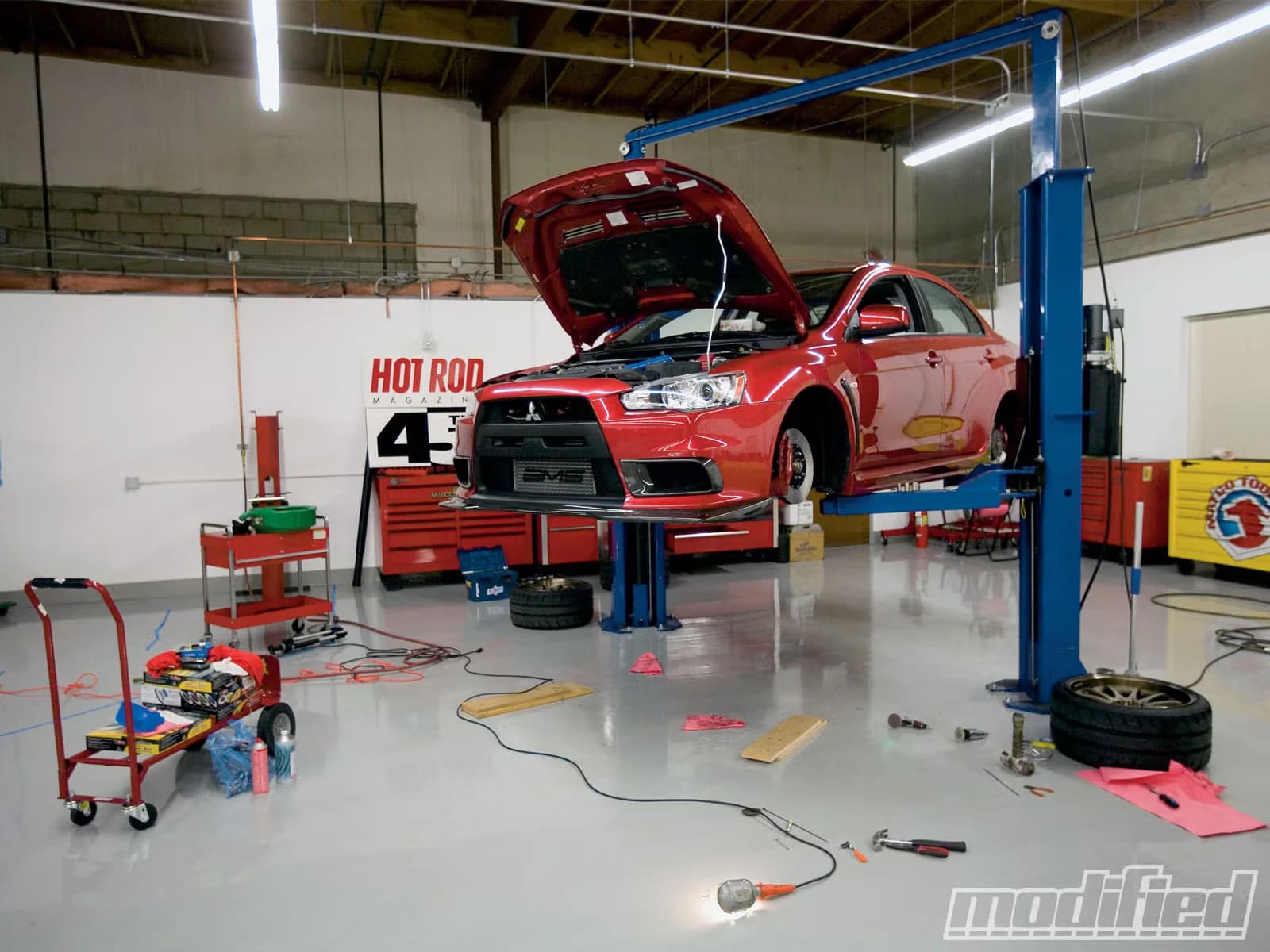
Light and space. A pair of cheap LED work lights and a cleared square of floor will do more for your build pace than any single purchase on this list.
People blame motivation when a project slows down. Usually it is just that working in the dark, on gravel, with the wrong wrench, is miserable, and nobody wants to spend a Saturday being miserable.