BMW does not build unreliable cars. BMW builds cars with an unusually predictable service schedule that nobody reads before buying one used.
Almost every "my BMW is falling apart" post is one of the same handful of parts, and every one of them is known, documented and priced. Here is the list, roughly in the order you will meet it.
1. The cooling system, as a single unit
Plastic expansion tank, plastic thermostat housing, water pump, hoses and on the six-cylinders a water pump impeller that has historically been made of a material that gives up before the bearing does. Treat this as one part, not six.
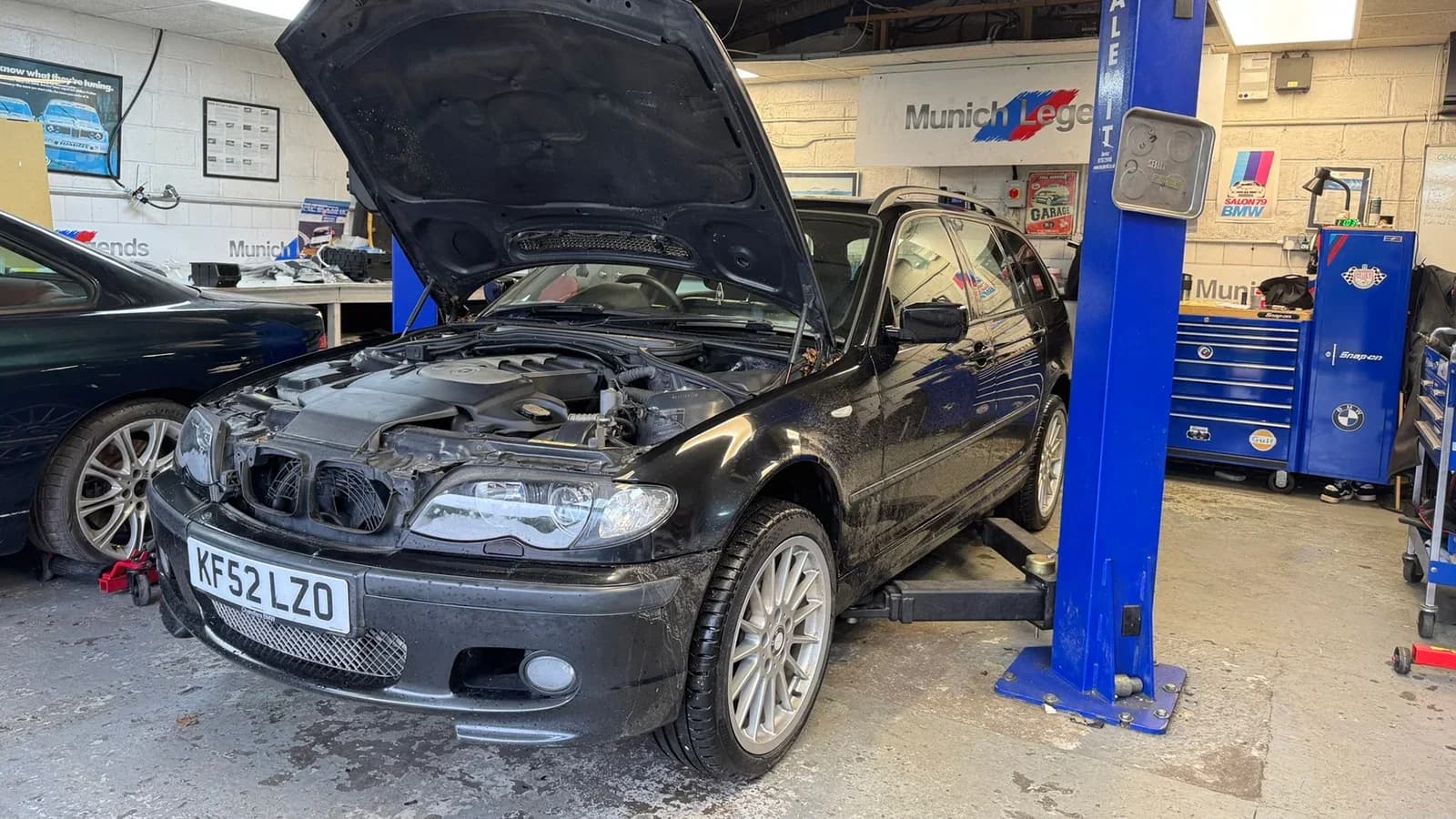
The mistake is replacing whatever leaked and driving away. Do the whole system at once. On an M52, M54 or N52 car this is the single highest-value preventative job you can do, because the failure mode is a temperature spike, and an aluminum head that has been cooked is a different class of problem entirely.
2. The two gaskets that leak on every single one of them
The oil filter housing gasket hardens, then weeps oil down the side of the block. On many chassis it drips onto the belt, and a belt soaked in oil eventually delaminates and can get pulled behind the crank pulley into the front main seal. That escalation turns a modest gasket job into an engine-out repair. Signs are a burning smell after a drive, oil pooling on the subframe, and a dipstick that keeps dropping with no visible smoke.
The valve cover gasket is the same story with lower stakes. Oil seeps down the back of the head and cooks onto the exhaust manifold. If your car smells hot in traffic and there is a dark stripe down the block, this is usually it. Cheap part, moderate labor, and you may as well do the spark plugs while it is open.
3. VANOS
BMW's variable valve timing has been on almost everything since the mid-90s and it fails in an entirely predictable way. On the M52TU and M54, the internal seals harden and you lose low-end torque without any warning light. Cars feel flat under 3,000rpm and owners blame the exhaust.
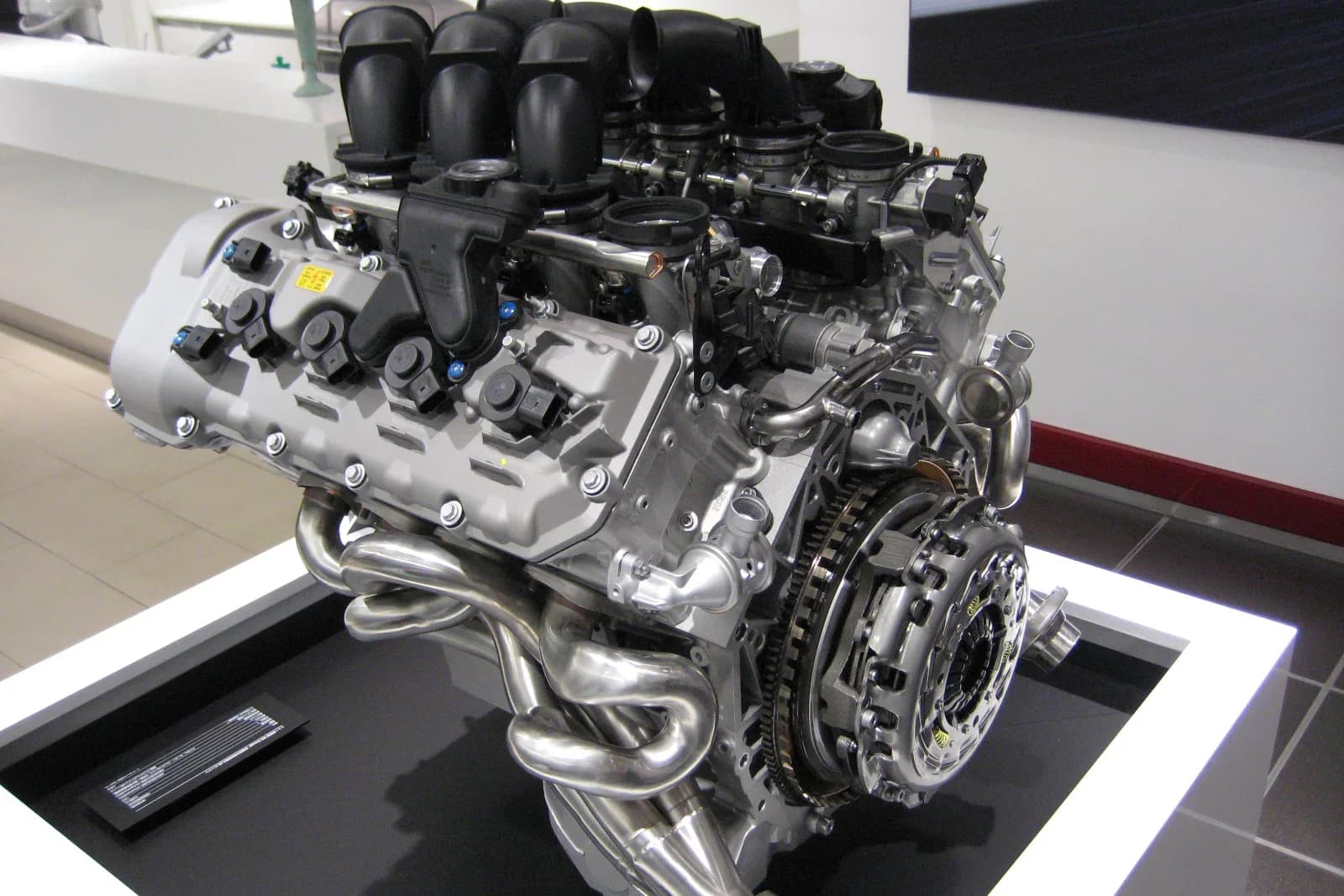
On the S54 and S62, the VANOS unit itself is a more involved assembly and a cold rattle is the usual tell. Solenoids can also gum up on later engines and throw timing codes that look terrifying and are frequently solved by cleaning.
4. Crankcase ventilation
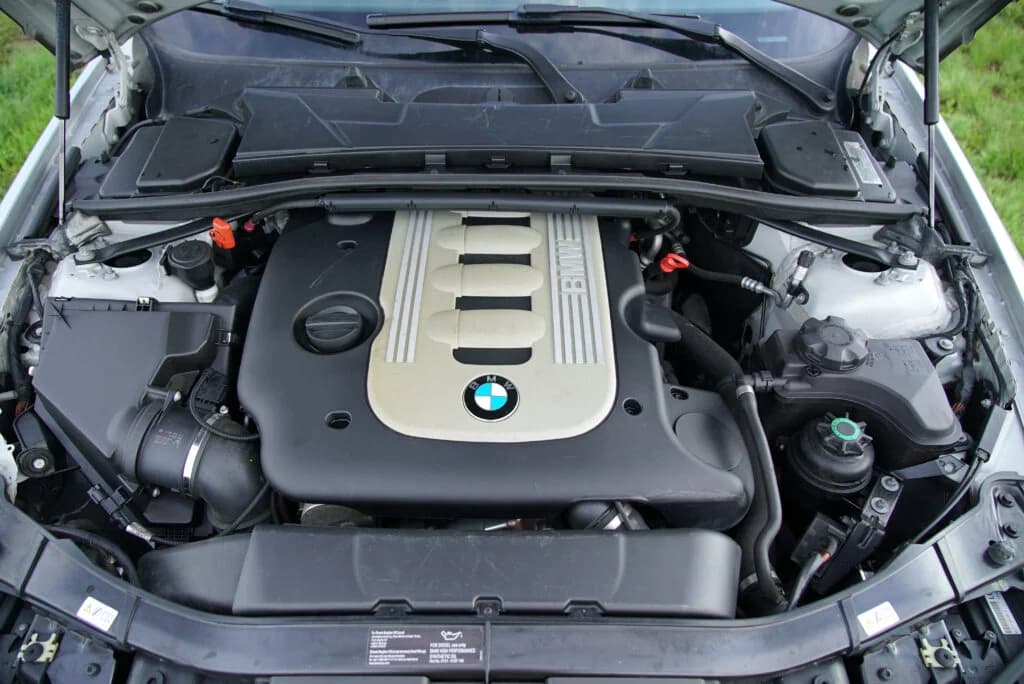
The CCV or oil separator system is a network of hoses and a diaphragm designed to pull blow-by back into the intake. When the diaphragm splits, you get a vacuum leak, rough idle, and on the worst cases the engine pulling oil through the intake and smoking like a two-stroke.
Cold climates make it worse because moisture freezes in the lines. If you live somewhere with real winters, this is a when, not an if.
5. Charge pipes and plastic intake components
On the N54 and N55, the factory charge pipe is plastic and the boost pressure eventually splits it. It is a known enough failure that aluminum replacements are one of the first parts most owners buy. Related family members include the plastic thermostat housings, the intake boot, and every coolant fitting that has been heat-cycled a thousand times.
The pattern with modern BMWs is not that the engineering is bad. It is that plastic parts sitting next to a hot engine have a service life measured in years, and used-car buyers inherit those years without a receipt.
6. Suspension bushings and interior plastics
Front control arm bushings, rear trailing arm bushings on the E46, and the guibo on the driveshaft. None of these will strand you. All of them make the car feel worse in ways owners rationalize as age.
The interior version of this is window regulators, glovebox hinges, sunroof drains and every clip that holds trim to a door card. They cost almost nothing and they are all separate afternoons.
What to do with this list
Print it. Take it to a pre-purchase inspection. A car where all seven of these have been done recently is worth paying more for than a car with lower mileage and no receipts, and the gap is bigger than most sellers price in.
The people who complain loudest about BMW ownership are almost always the ones who bought the cheapest example, drove it until something failed, then fixed exactly that one thing. The people who enjoy it did the whole cooling system in one weekend and never thought about it again.
Neither approach is wrong. One of them is just significantly more expensive over five years.