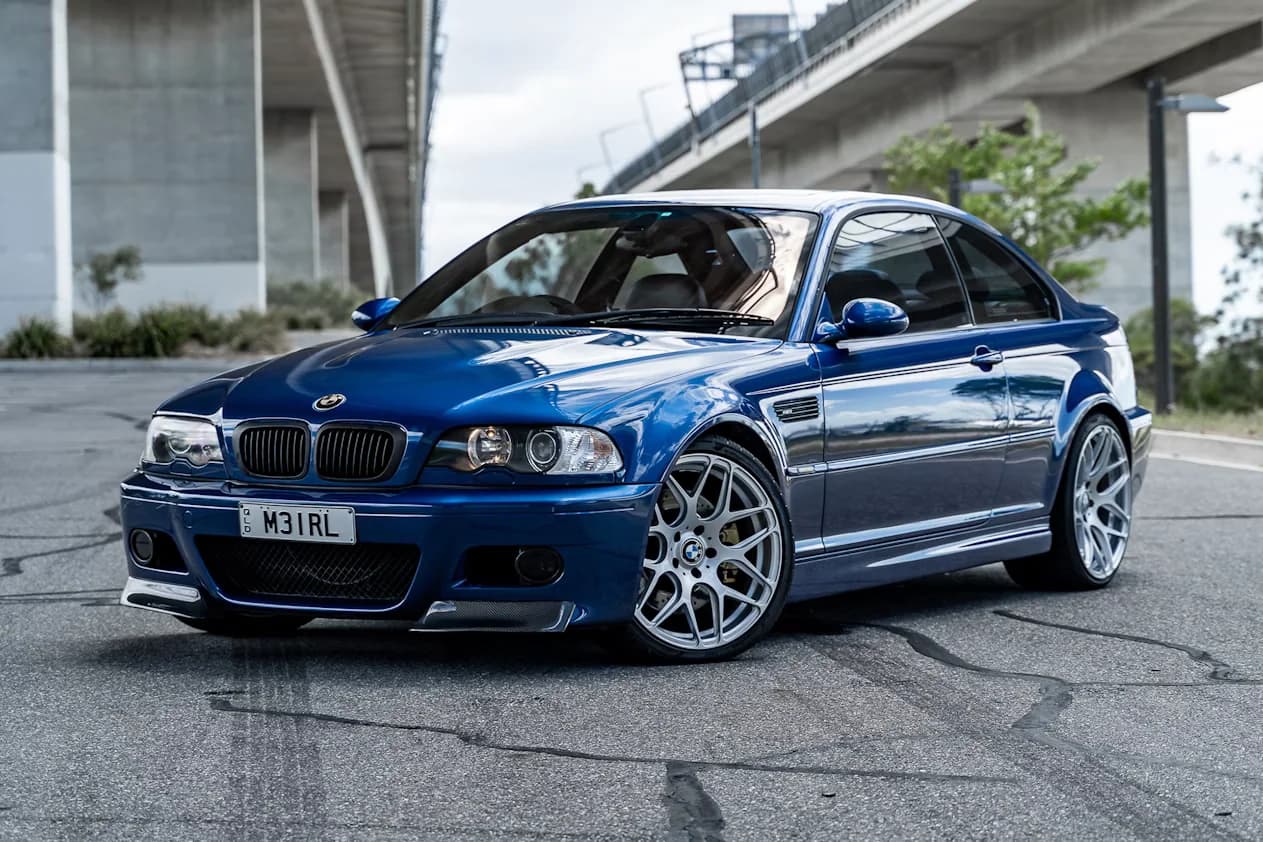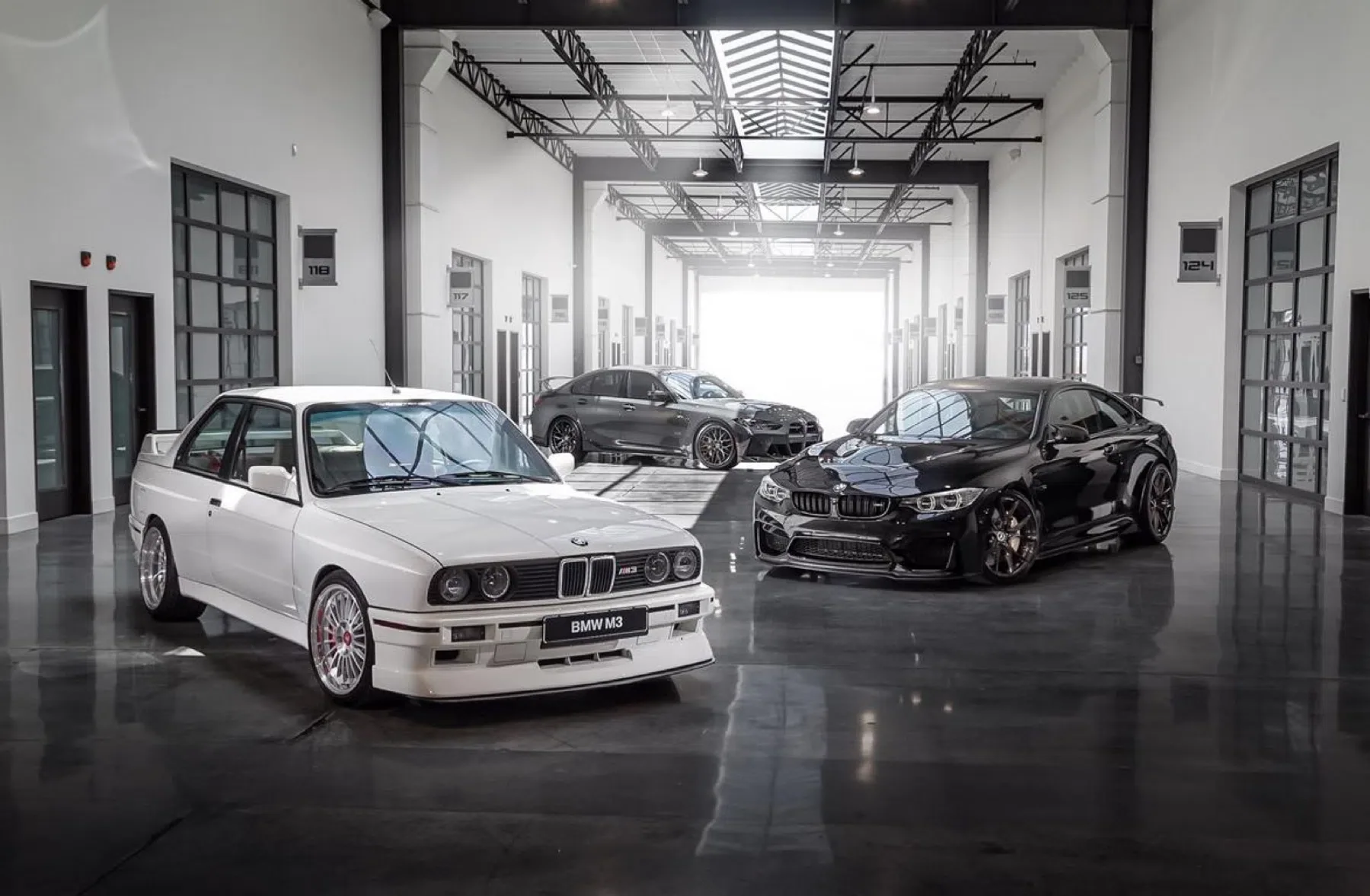
An E46 on a considered wheel setup and a G80 on the other side of the meet belong in the same conversation. An M badge creates an expectation before the engine starts. It suggests that the ordinary tasks of driving have received unusual attention: the position of the seat, the response of the controls, the way the car changes direction. Whether a particular model fulfills that expectation is where the argument begins.
The badge deserves scrutiny precisely because it has such a history. Affection for BMW M does not require believing every car it has produced serves the same purpose.
The current chapter belongs here
For TUNERS, G80 M3s and G82 M4s are part of the centre of the scene. Their appeal sits at the intersection of performance, appearance and ownership: a recognizable shape that owners approach in very different ways. A restrained road build and an elaborate show car can begin with the same platform without trying to reach the same destination.
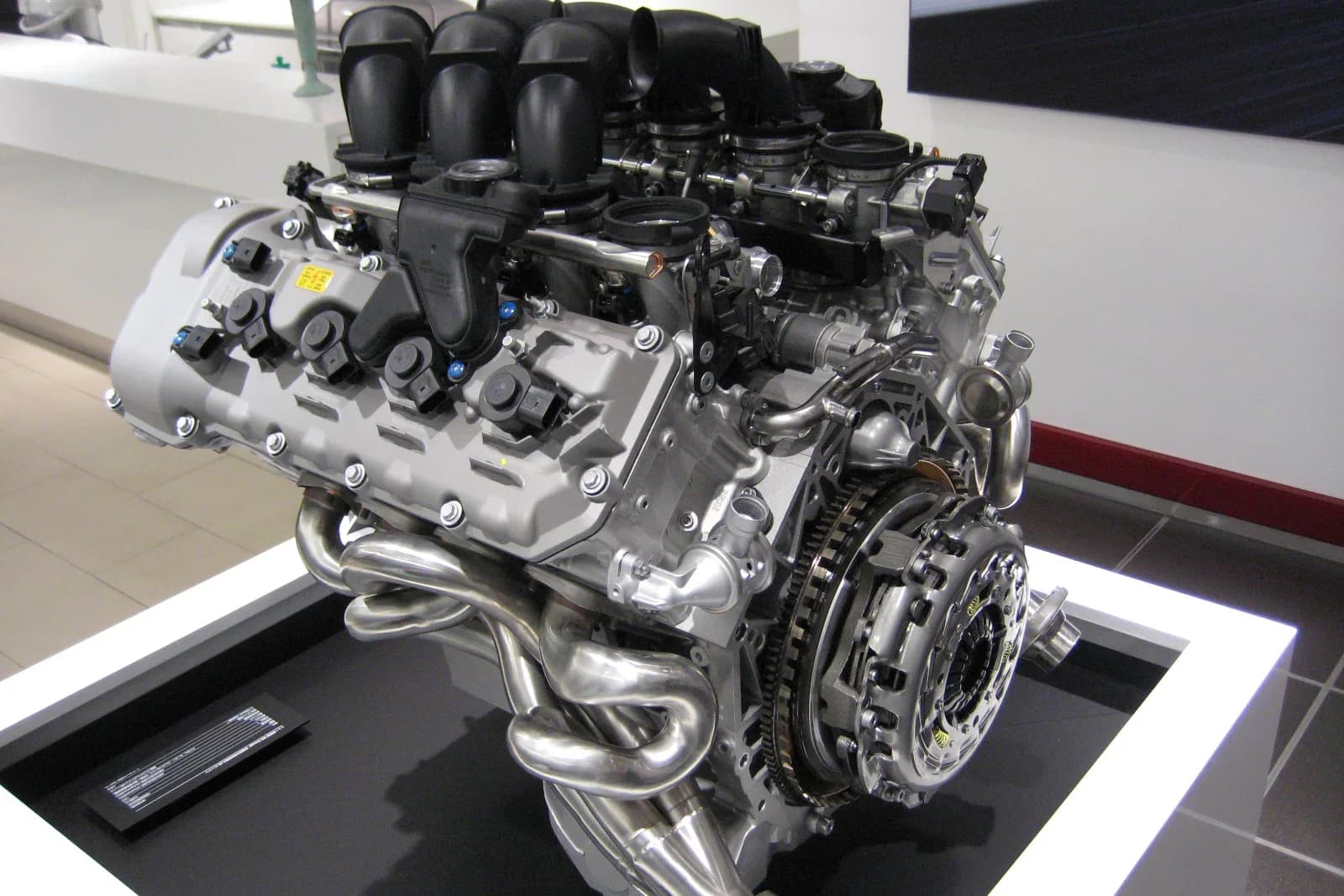
BMW’s S58 uses a forged crankshaft, and the manufacturer explains that its crank drive differs from the preceding S55. Those are engineering details, not a promise that any modification will be reliable. Learn the engine in the car you own rather than transferring every warning or power claim from an older forum thread. BMW M’s engine explanation
More than one golden age
BMW dates M's founding to 1972. Its heritage catalog places the M1 in 1978, the E28 M5 in 1985 and the E30 M3 in 1986. Later entries include the E39 M5, E46 M3, V10-powered E60 M5 and the turbocharged F80 M3. Even a short timeline makes the range of ideas clear. BMW M's heritage catalog
Those cars are not interchangeable expressions of one mechanical formula. A mid-engine sports car, a compact performance coupe and a fast executive sedan each involve a different compromise. Insisting that only one engine layout, body style or decade counts reduces a varied history to a personal shopping list.
It is perfectly reasonable to have that shopping list. It becomes more interesting when you can explain why the car on it matters to you.
The ordinary journey is part of the brief
For TUNERS, the most compelling M road cars are the ones that make a routine journey feel considered. A car does not have to deliver its entire performance envelope to give its driver something back. Comfortable controls, predictable responses and a well-chosen driving position matter on a trip across town as well as at a circuit.
That is an editorial preference, not a claim that every generation feels the same or that older is automatically better. Some owners value compact dimensions and a manual gearbox. Others need additional room, an automatic transmission or a different balance of comfort and performance. The useful conversation concerns those requirements, not whether the other owner has failed an authenticity test.
Ownership gives the badge substance
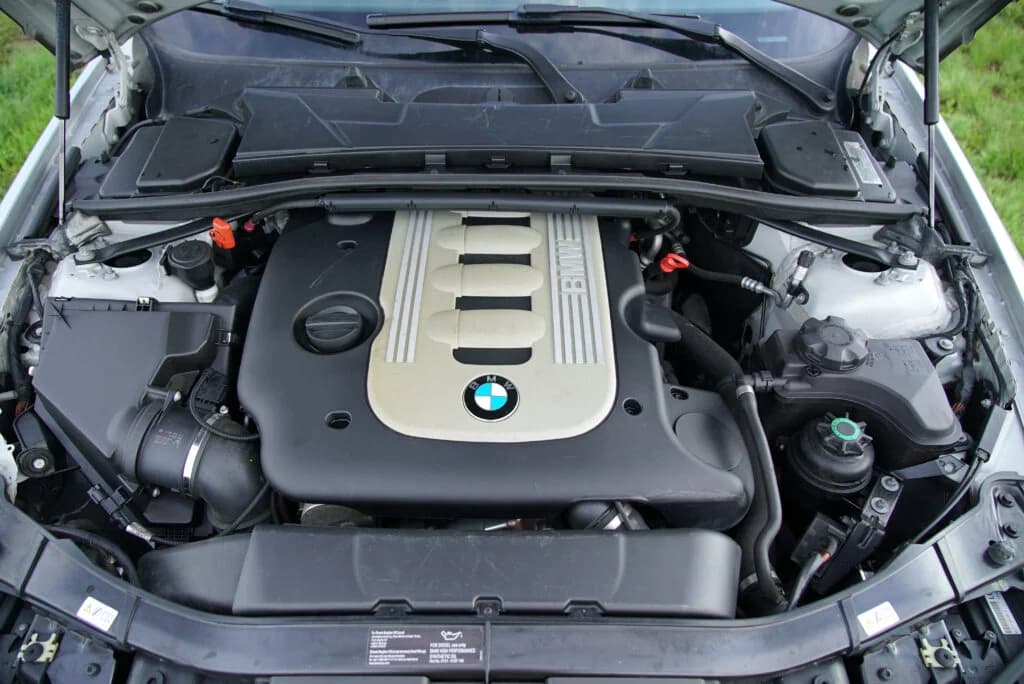
A well-maintained car says more than a specification sheet. Before shopping for a particular M model, learn its exact generation, engine and service requirements. An E46 maintenance plan is not an E92 maintenance plan with the date changed.
Have a model specialist examine the actual car. Ask which repairs are documented, which are due, and which modifications change future servicing. Treat claimed preventive work as unverified until the paperwork explains what was done and by whom. Put the cost of keeping the car healthy alongside its purchase price.
The same discipline should guide a build. Write down the problem a part is intended to solve. A street car may benefit more from restoring its original setup than from accumulating components selected for a different use. A track car needs a coherent plan, rather than borrowed settings from an unrelated chassis.
A love letter can ask questions
The reason enthusiasts argue so intensely about M cars is that the badge has taught them to expect something distinctive. That expectation is valuable. It asks the next model, and the next owner, to justify the choices they make.
Keep the history, learn the differences and look after the example you actually own. That is a more useful tribute than declaring that the last good M car happened to leave the factory in your favorite year.
Updated September 5, 2026.