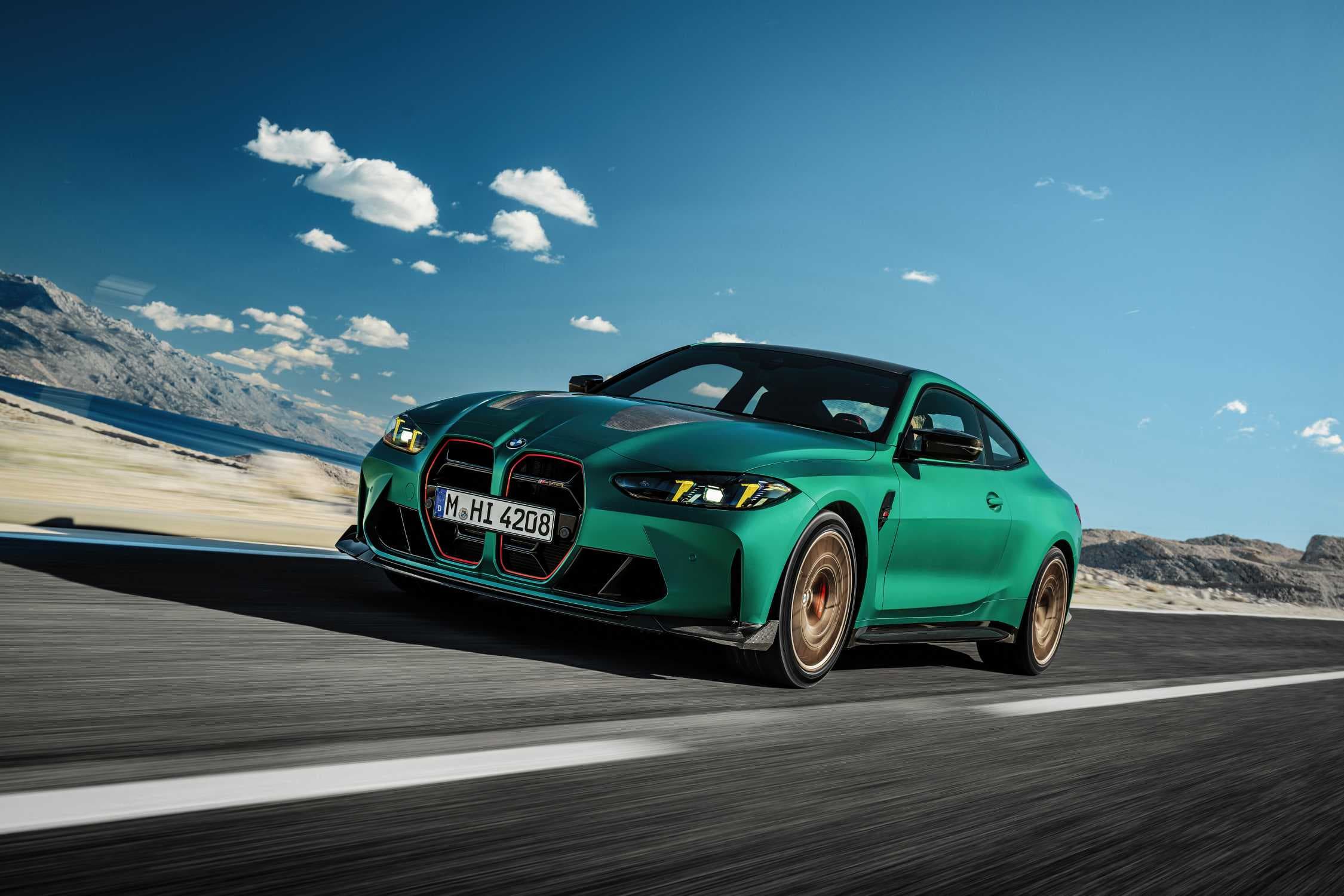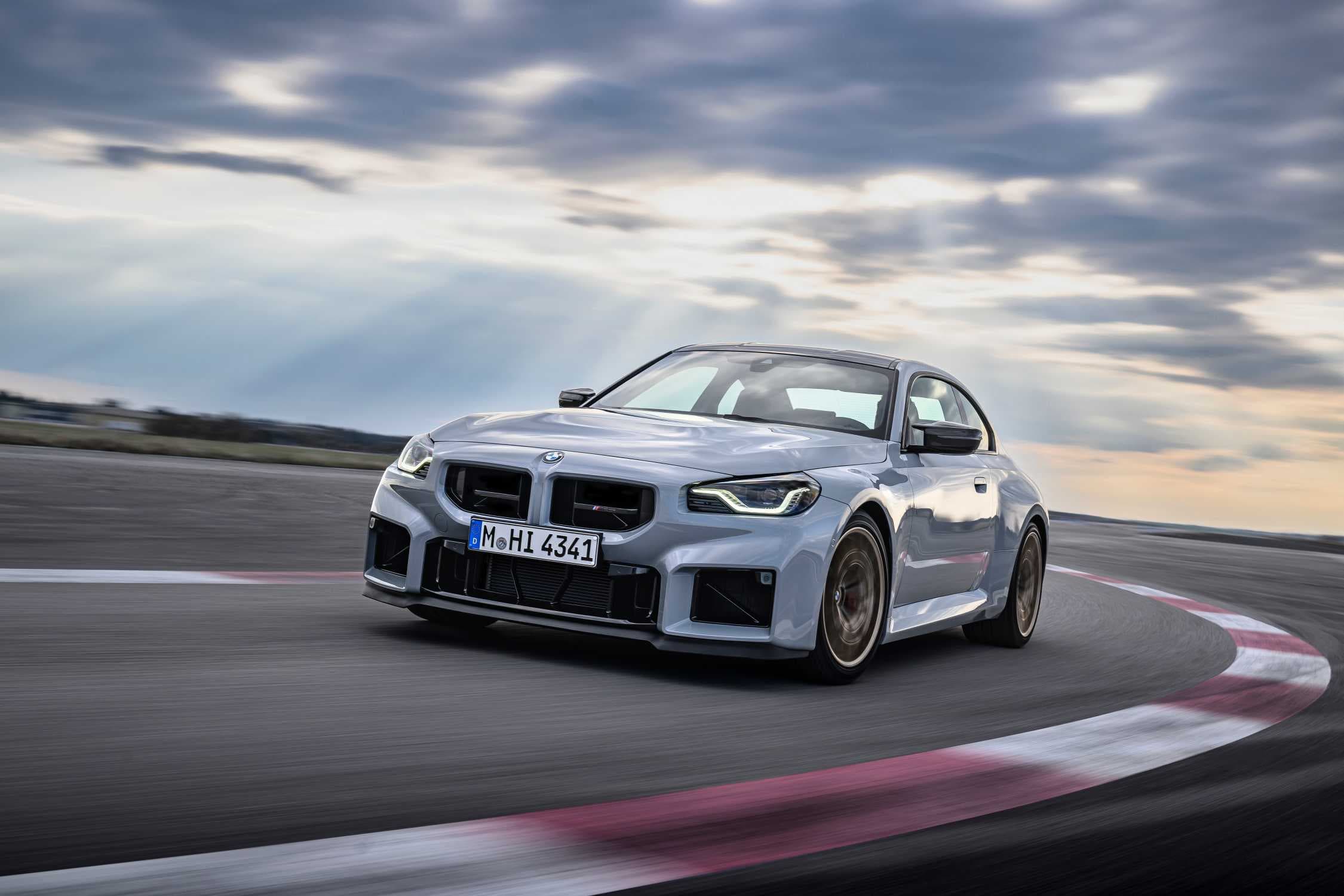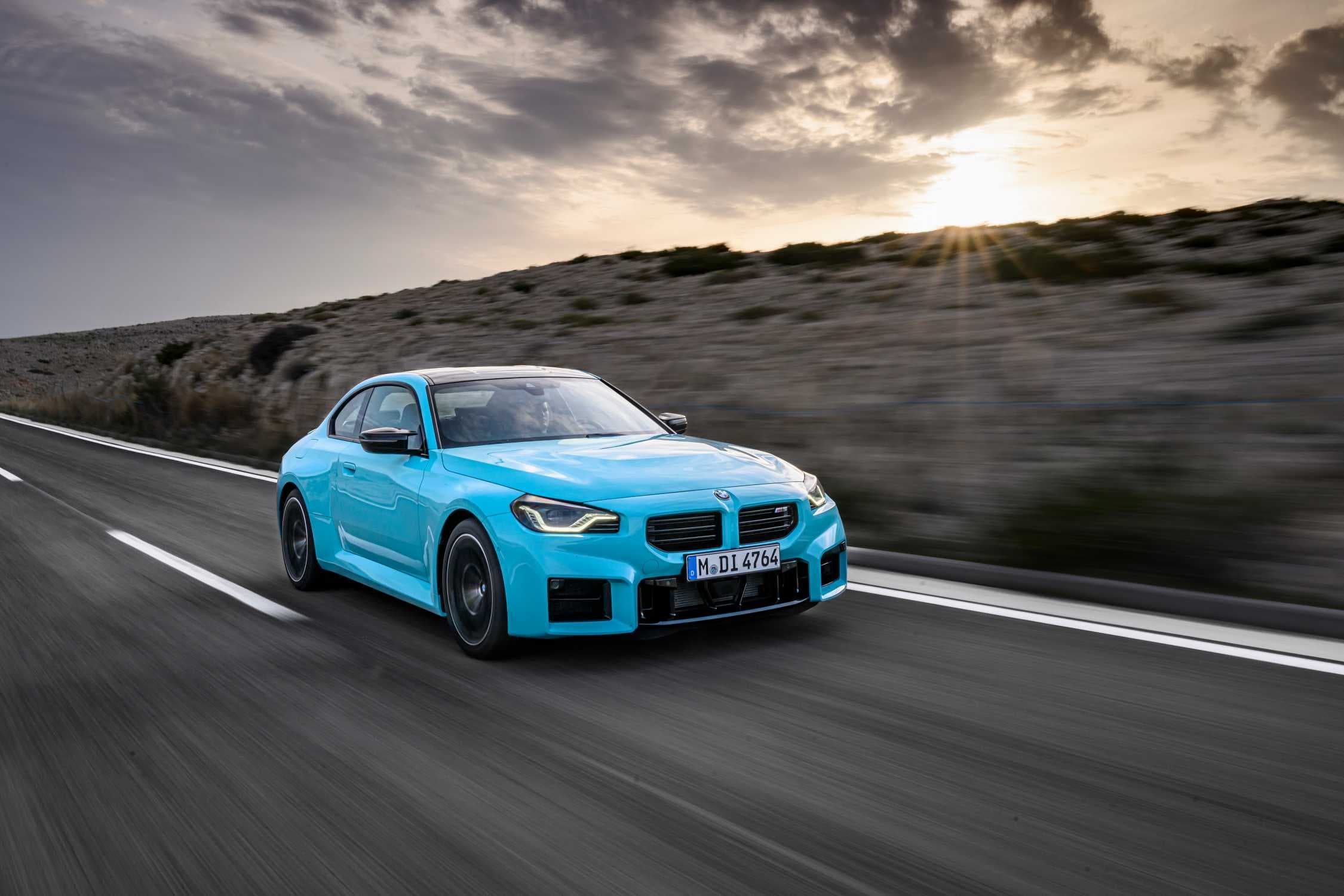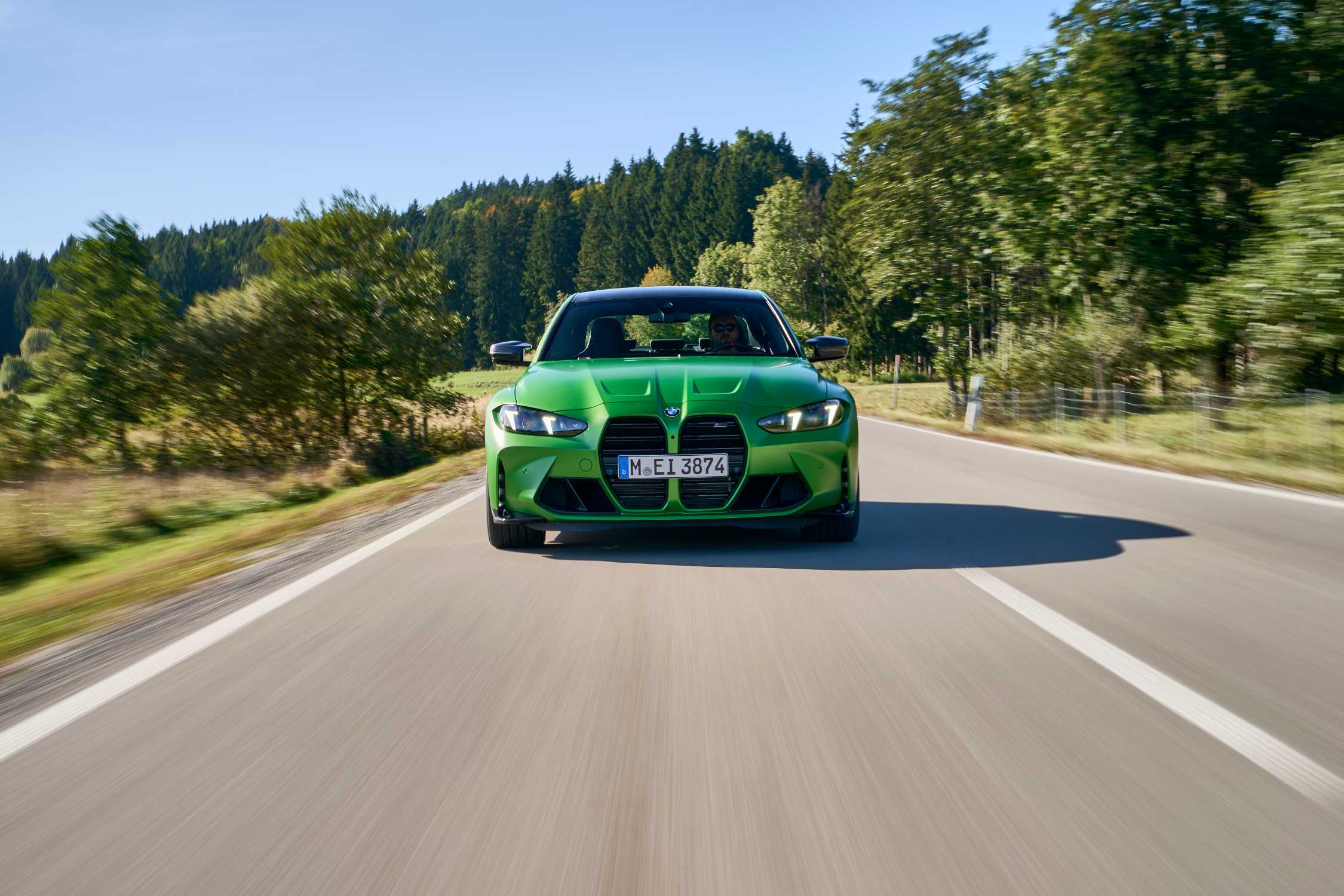
A G80 can turn up to the same meet as a clean S-chassis and make complete sense. Different decade, different electronics, same appeal: a recognizable platform with enough room for the owner to leave a signature. Wheel choice, ride height, paint and the way the car sits together do more for that identity than another badge on the trunk.
The starting point is deciding what the finished car should do. A sedan that carries friends all week and visits a circuit twice a year needs a different plan from a dedicated time-attack project. Both can look right. Only one needs to be comfortable on your commute.
Put the exact variant on the build sheet
Using BMW's US model-year 2025 specification, the regular M3 has 473 hp, a six-speed manual and rear-wheel drive. The Competition has 503 hp, an eight-speed automatic and rear-wheel drive; Competition xDrive adds all-wheel drive and makes 523 hp. Those figures describe that model year, rather than every G80 built. BMW's 2025 M3 technical release.
Write the model year, transmission, drivetrain, brakes and existing modifications at the top of every parts inquiry. “Fits G80” is an opening description. It should lead to confirmation for your car, especially when suspension, wheel clearance or software compatibility is involved.
Choose the manual because changing gear is part of the experience you want. Choose an automatic because its operation suits your use. Trying to turn a purchase you did not really want into the car you did want is an expensive way to begin a build.
Give the exterior one clear idea
Our preferred street direction is straightforward: one strong wheel design, a deliberate ride height and a small number of exterior pieces that agree with each other. A silver wheel against dark paint can be the whole statement. A bright body color does not need every trim piece competing for attention.
Make a side-profile mockup before ordering. Compare wheel diameter, sidewall and the visual weight of the front and rear aero. Then check the practical version of that picture: driveway entry, full steering lock, passengers in the back and access to lifting points. The useful stance is the one the car can maintain while being driven.
If the suspension is changing, settle its requirements before buying wheels. Ask the installer to record the alignment and clearance checks after fitting. A build thread with the tire model, wheel dimensions and alignment sheet is more valuable to the next owner than a photo caption that just says “no rubbing.”
Make the first track day a measurement
Start with a mechanical inspection and the event organizer's requirements. Have the shop assess tires, brake consumables and fluids for the planned use. Book instruction, establish a baseline and keep notes on what the car actually does across a session.
Separate observations from diagnoses. “The pedal changed after several laps” is a useful report. “It needs the biggest brake kit” is already a purchasing decision. Give the technician the conditions, duration and symptoms before choosing the remedy.
Change one major area at a time. If wheels, tires, alignment, dampers and software all change together, working out which change helped becomes difficult. A staged build creates information as well as a better car.
Leave room for the ownership part
Keep a folder of part numbers, installation receipts, original components and settings. Photograph the underside and wheel clearance, not just the three-quarter view. Include recurring expenses in the plan: tires, alignments, maintenance and track entry belong beside the initial parts list.
That approach gives the G80 a place in modern tuner culture beyond its acceleration figure. The finished sedan should feel like somebody made decisions about it. Pick a purpose, develop the setup, and make the details worth a closer look.
TUNERS build-planning editorial; this is not a road test or a tested parts package. Specifications above refer to US model year 2025.
Photo: © BMW AG. Factory BMW M3 sedan (G80), European model. BMW PressClub.
Updated September 5, 2026.