The useful S58 conversation begins before anybody quotes a power target. What is the car, what fuel will it run, what hardware is fitted, and what does the owner expect it to do repeatedly? A number without those answers gives a workshop very little to work with.
For a G80, G82 or G87 project, the aim should be a documented package you understand. That includes the calibration, the supporting work and the conditions in which its performance has actually been measured.
A strong engine design is a starting point
BMW describes the S58 in its 2025 M3 technical release as a 3.0-liter six with a closed-deck crankcase, forged crankshaft, two mono-scroll turbochargers and a separate low-temperature circuit for indirect charge-air cooling. BMW's engine description.
Those details explain part of the factory design. They do not establish one universal aftermarket power limit, or prove that an individual modified engine will tolerate any particular torque curve. Treat dramatic build claims as information about the documented car, not a durability guarantee for yours.
Prepare the information a tuner needs
Write down the model year, drivetrain, transmission, ECU software information, mileage and existing parts. Include any known previous calibration. Gather service records and identify unresolved symptoms before discussing a new tune.
Give the workshop an honest use case. Short road journeys, repeated circuit sessions and a drag-strip program place different demands on the project. State the fuel you can obtain consistently, rather than the fuel available only near a particular dyno facility.
Ask the supplier to confirm the required hardware and software access for your actual car. Compatibility and supported software versions can change; an old forum procedure is not confirmation for the vehicle in front of the technician.
Read a result as a measurement
An engine rating from BMW and a chassis-dyno wheel-horsepower result measure different things. Keep them labeled. Avoid applying an assumed drivetrain-loss percentage to turn one into an apparently precise version of the other.
For a before-and-after comparison, ask for the baseline, the test conditions, fuel, hardware configuration and measurement method. A repeated result under documented conditions is more informative than an isolated peak figure. If the car cannot repeat its performance across the intended use, that belongs in the discussion too.
Ask the calibrator what data they review and what findings would stop the process. The answer should describe an assessment of the car, rather than a promise that every example of the platform can run the same output. Have a qualified technician interpret the logs; a single screenshot cannot capture the whole operating picture.
Budget for the complete job
The quote should distinguish software, installation, diagnostics, supporting hardware and follow-up evaluation. Ask which original functions are retained and which operating requirements change. Keep that answer with the build records.
Choose maintenance requirements from the correct vehicle documentation and the professionals responsible for the modified package. BMW's engine Q&A itself directs owners to the user's manual for detailed fluid specifications. An internet recommendation for a different model or use case should not silently replace that information. BMW M engine Q&A.
After installation, record the calibration version, required fuel and the date of the work. Give that information to anyone who later services or purchases the car. It is as much a part of the build as the visible components.
The most convincing S58 project is one whose owner can explain the result and the process behind it. Start with condition, define the job, document the changes and judge the car by the work it can actually do.
Technical planning editorial, not a calibration procedure or an endorsement of a particular power level. No dyno testing or long-term durability testing is claimed.
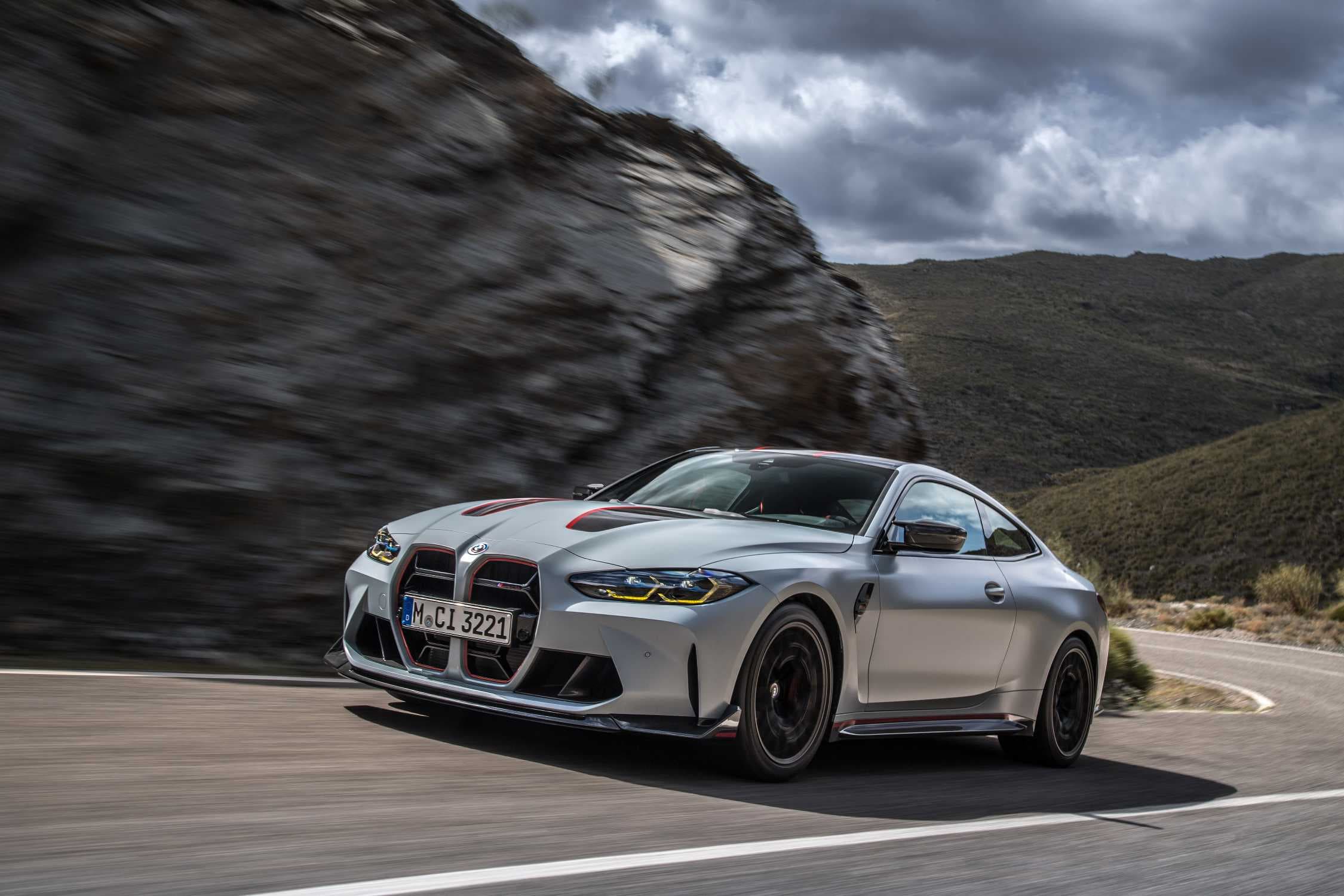
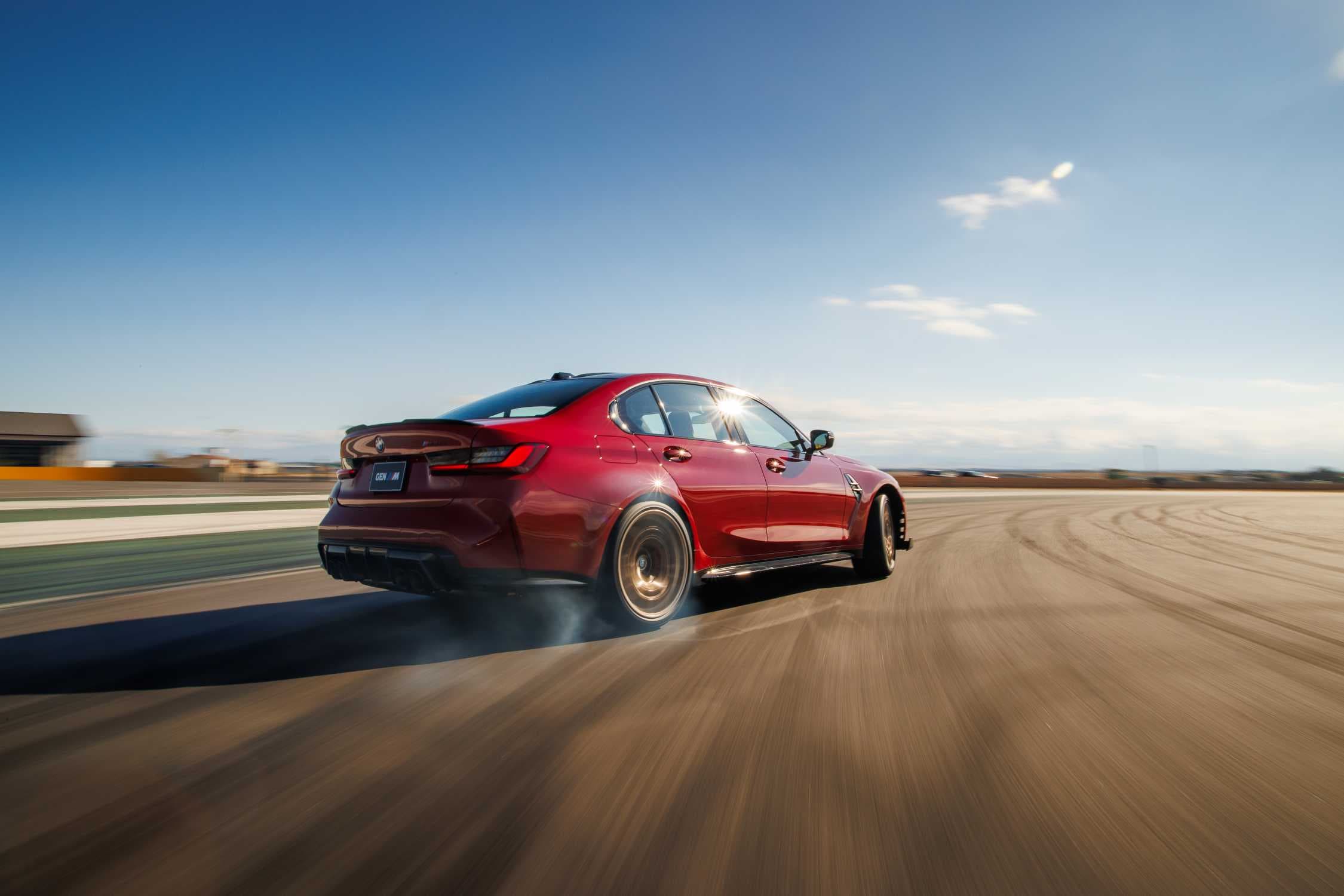
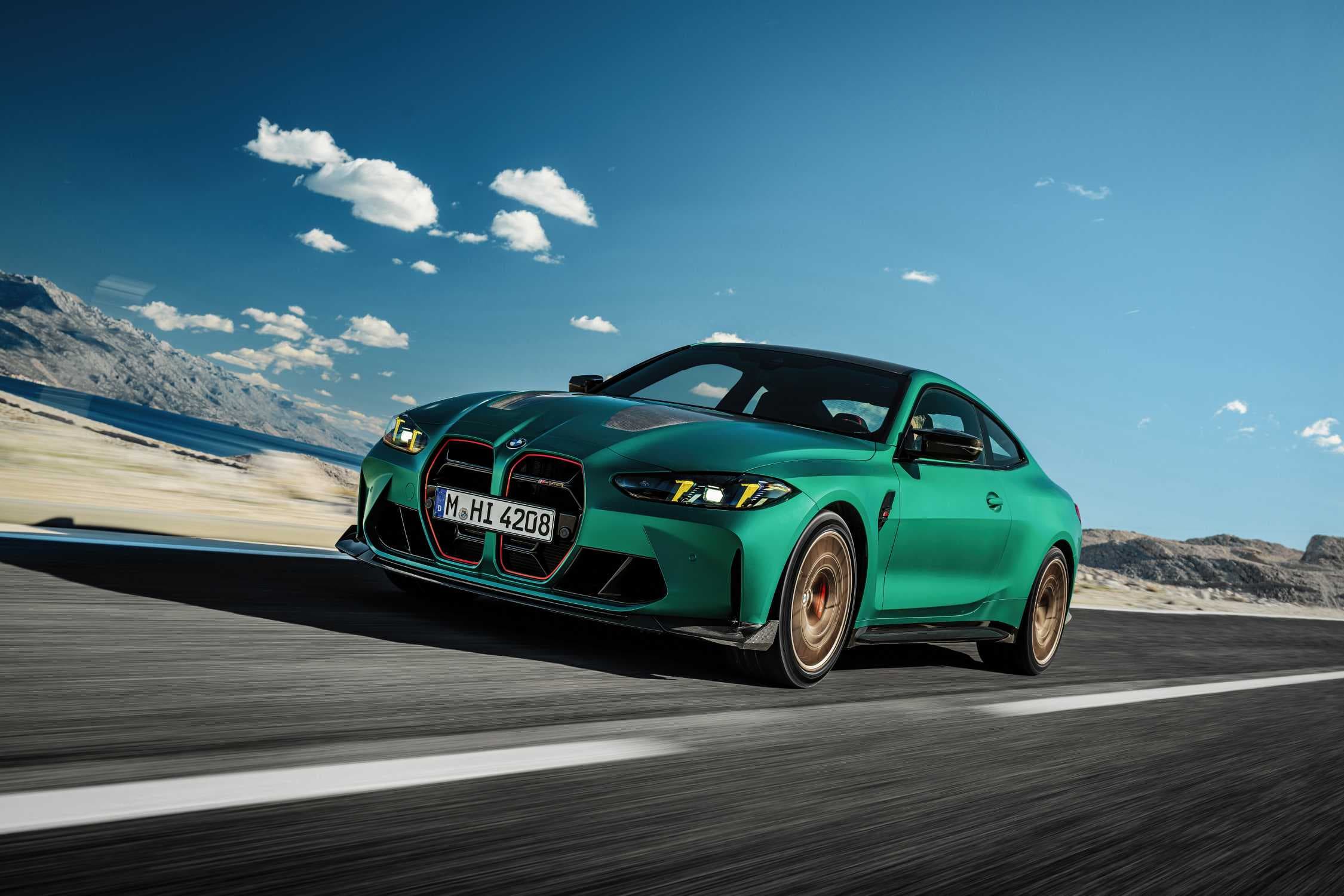
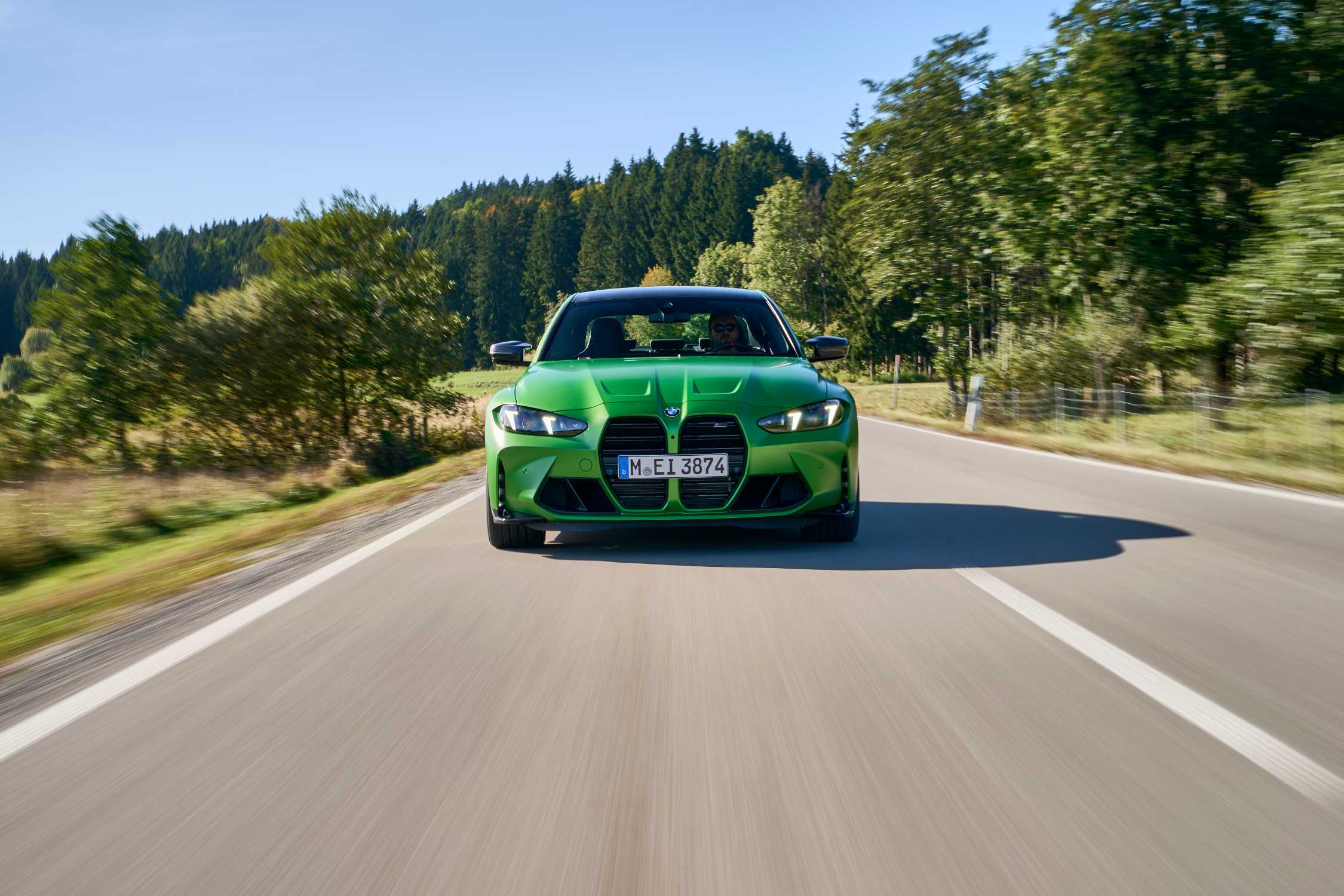
Photo: © BMW AG. Factory BMW M3 sedan (G80), European model. BMW PressClub. The factory car illustrates the platform; it does not demonstrate an aftermarket setup.
Updated September 5, 2026.