Two numbers decide whether you can own a Porsche, and the asking price is the less important one.
The other number is what the car costs to keep on the road for three years. Get that wrong and you become the guy selling a non-running 996 with a long story about a mechanic attached to the ad. Get it right and you own the best-driving car on your street for used-pickup money.
The 996 is still the correct answer
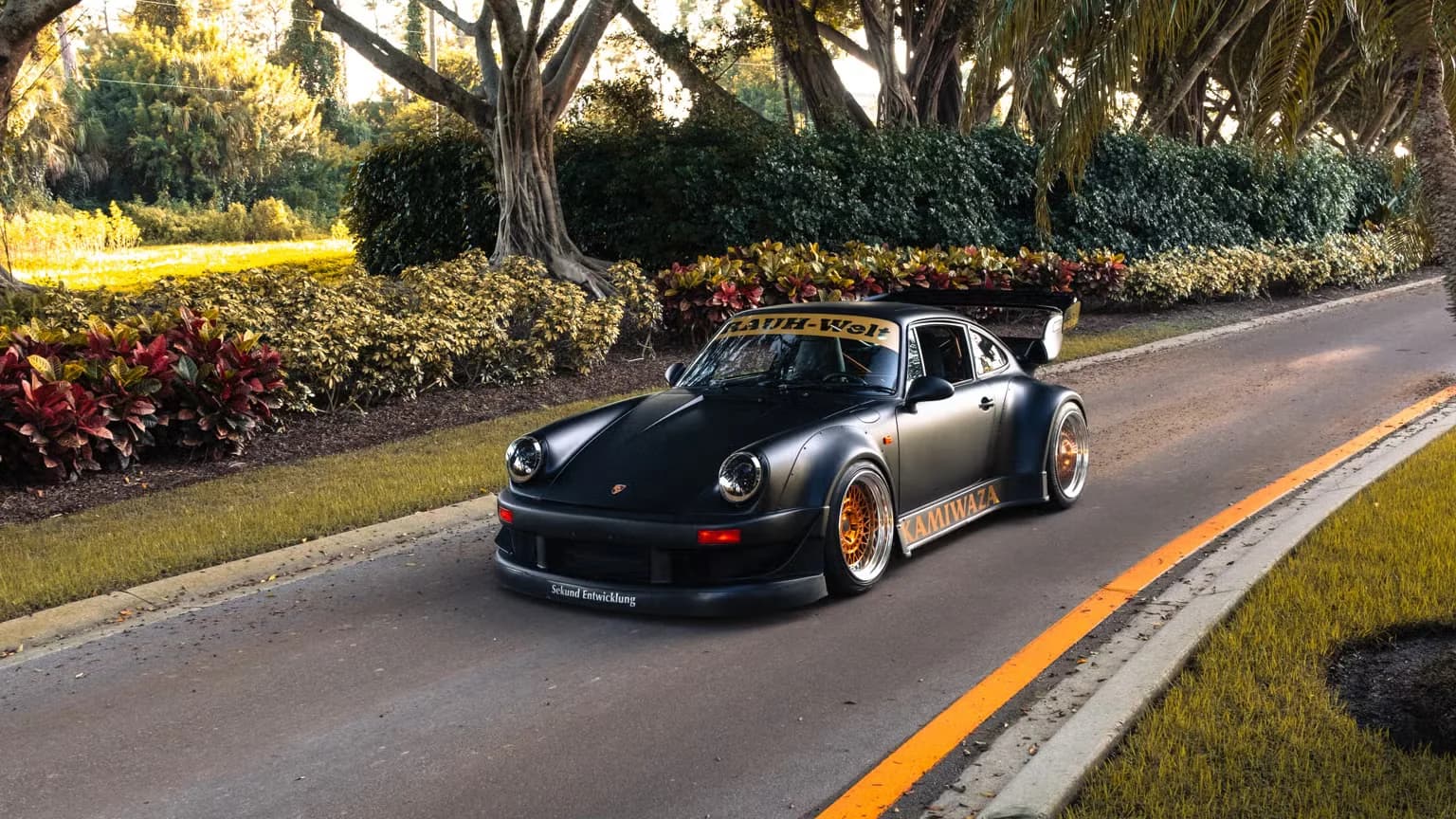
The 996 Carrera has been the cheapest route into a modern 911 for about a decade and nothing has taken the title off it. Rear-engine flat-six, hydraulic steering, a chassis that keeps feeding you information long after other cars have gone quiet. It is a real 911 in every way that counts.
It stays cheap for two reasons. The headlights, which everyone calls fried eggs and which stopped looking bad the moment later 911s started looking like bars of soap. And the M96 engine's intermediate shaft bearing, which grew into a panic that outran the actual failure rate by a wide margin.
Money-wise, expect roughly $18–35k depending on year, mileage, gearbox and how thick the service folder is. Manual cars ask more. The 2002-on facelift cars get the 3.6 and the better lights and sit at the top of that range.
The 986 Boxster gets kicked for no good reason
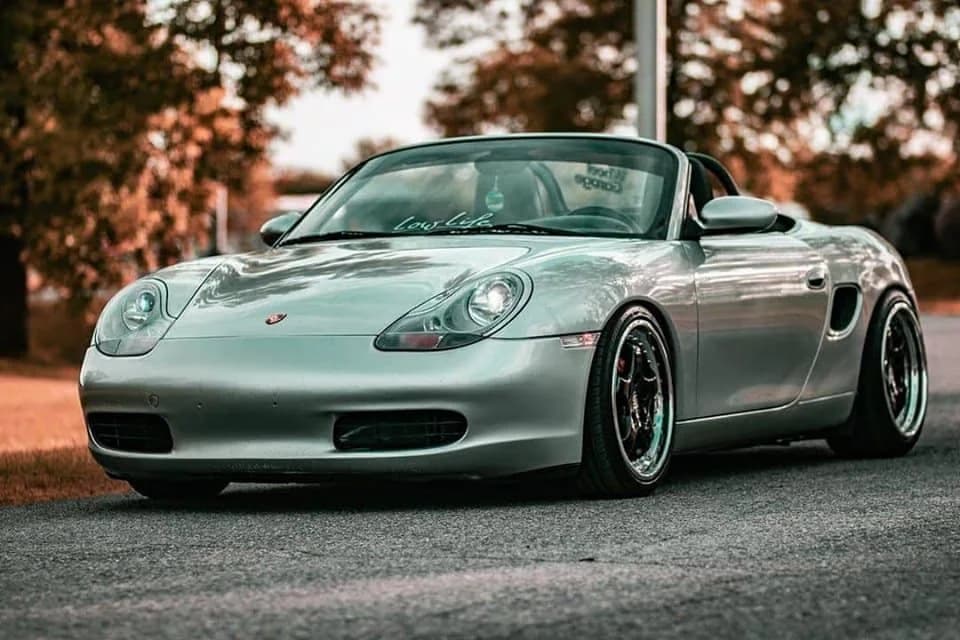
Same engine family, same panic, half the outlay. A 986 in honest health lives somewhere between high four figures and the high teens depending on whether it is a 2.5, a 2.7 or an S with the 3.2.
It is mid-engined, which means it turns in cleaner than a 996 and is far less interested in punishing you at the limit. The roof is a proper convertible rather than an apology. The only real knock against it is that it looks like the entry-level car it was, and some people care about that more than they care about driving.
Buy the S if you can stretch. The extra displacement matters less than the six-speed and the bigger brakes that came with it.
The 944 is the cheapest badge that still drives
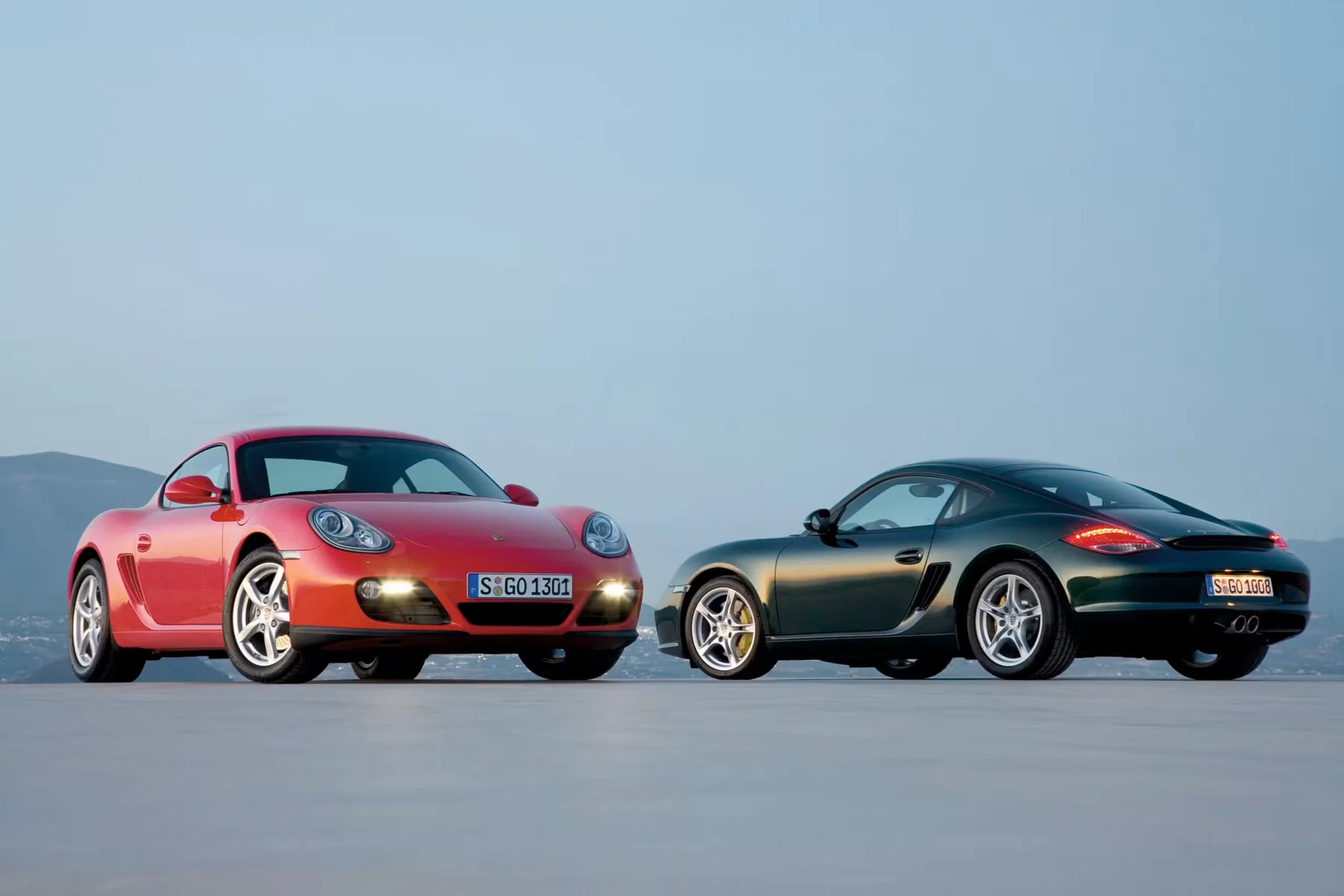
If your ceiling is under ten grand, the front-engine cars are the answer. A healthy 944 sits somewhere around $7–15k depending on condition and spec, and 944 Turbos ask real money now. The rear transaxle gives it near-even weight distribution and it still corners better than most things built two decades later.
The catch is age. Every rubber part on a car this old is a rubber part this old, and the timing belt is an interference-engine job you cannot defer. Budget a full belt, roller and water pump service the week you buy it, whatever the seller swears about the last one.
What running one actually costs
Here is the part the classified ad leaves out.
- Oil services on a water-cooled flat-six are not sixty-dollar jobs. Ten quarts of the correct synthetic plus a filter adds up, and the car wants it annually whether you drive it or not.
- Tires are staggered 17s, 18s or 19s. A set of four decent ones is a meaningful fraction of a cheap 986's total value.
- Clutch and rear main seal on a 996 or 986 is a gearbox-out job. If the seal is weeping, it gets done with the clutch or you pay the labor twice.
- Suspension bushings, drop links and control arms all wear out, and the car feels ordinary once they have.
- Coolant tanks, air-oil separators and radiators are consumables here. The front radiators pack with leaves and rot from the inside where you cannot see them.
The rule that works: whatever you pay for the car, keep a quarter of that number liquid and untouched. On a $20k 996 that is $5k sitting in an account doing nothing. If you cannot manage that, buy the cheaper car and keep the same reserve.
The trap nobody warns you about
The cheapest example of any Porsche is cheap for a reason, and that reason is almost never that the owner simply wanted rid of it. Deferred maintenance is the whole game. A $14k 996 with no records will cost more in its first year than a $26k car with a folder full of receipts, and you will spend that year not enjoying it.
Buy the best-documented car in your price bracket rather than the cheapest car in the model range. That single decision separates the people who still own theirs from the ones parting cars out eighteen months later.
The take
The cheapest real Porsche is a well-kept 996 Carrera bought with a maintenance fund already attached. Not a bargain 996. A good one, plus cash.
If that math does not work, a 986 S does most of the same job for half the money and there is no shame in it. The shame is in the driveway ornament.