The intermediate shaft bearing killed fewer Porsche engines than the internet believes and cost owners more money than any part that small has any business costing.
It also handed a generation of enthusiasts the cheapest 911 in history. Two decades of forum fear kept 996 prices low enough that people who could never have afforded a 911 ended up with one. Here is what actually happened.
What the intermediate shaft does
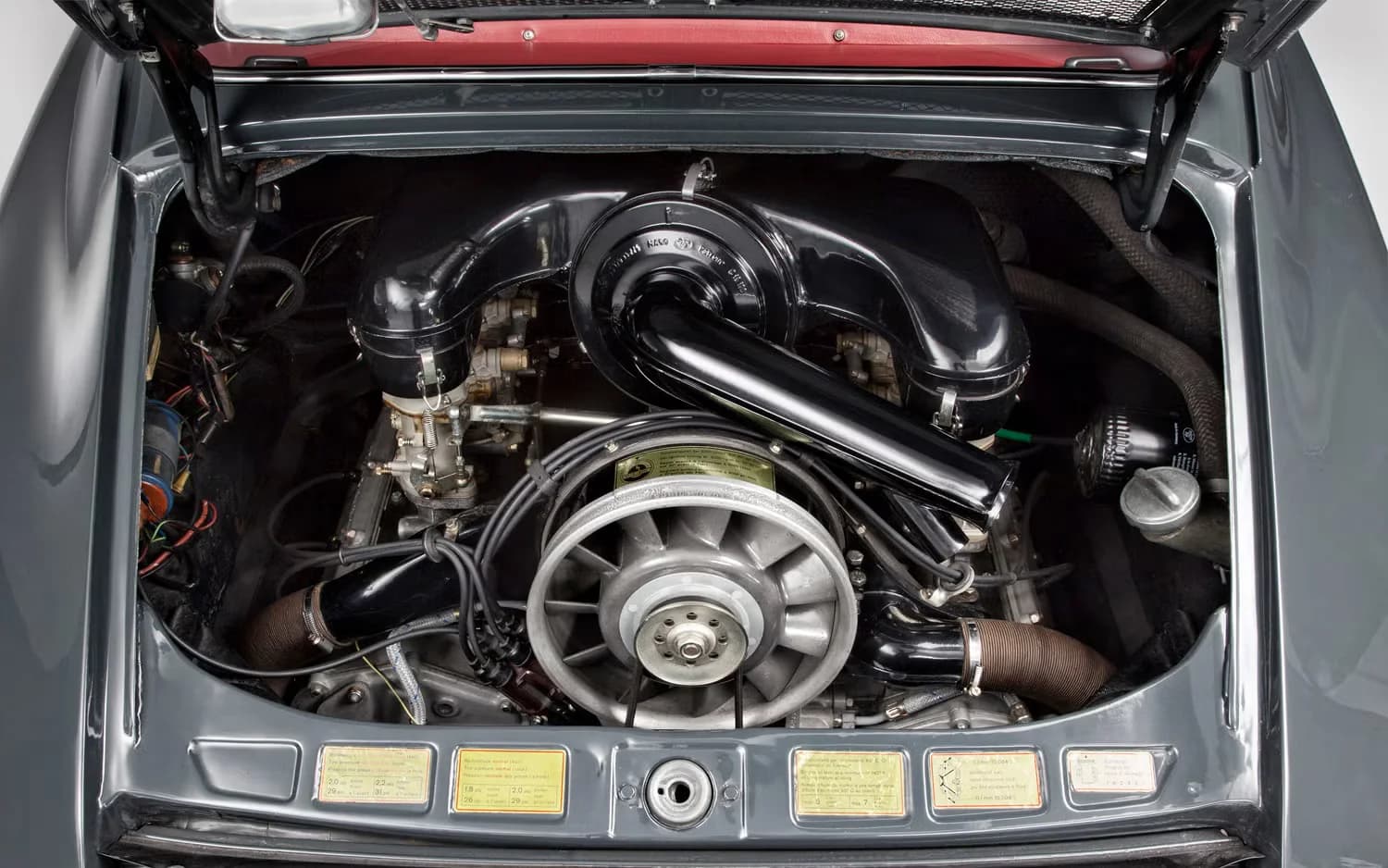
In the M96 and M97 flat-sixes, the intermediate shaft sits inside the engine and is driven off the crankshaft. Its job is to drive the camshaft chains for both banks, which lets the chains run at a sensible ratio and keeps the timing drive compact in a horizontally opposed layout.
It is not exotic. Air-cooled Porsche engines used an intermediate shaft too, but they ran it on plain bearings fed by pressurised engine oil. The water-cooled engines used a sealed, grease-packed ball bearing at the flywheel end instead.
That single design decision is the whole story.
Why the bearing gave up
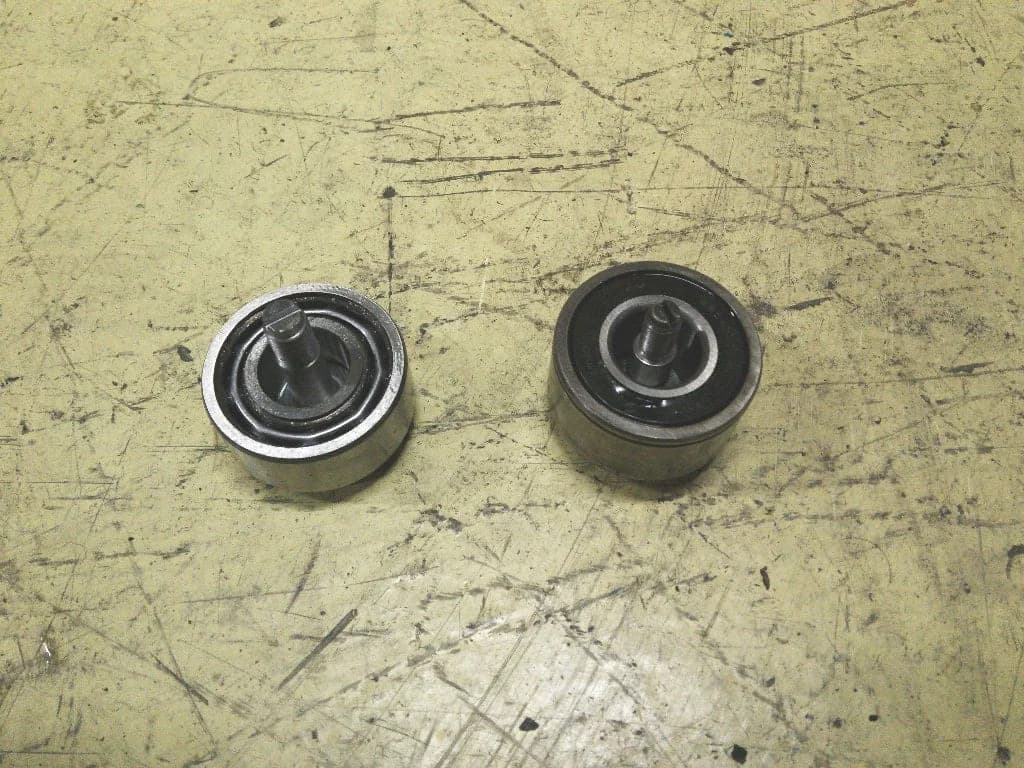
A sealed bearing has a finite amount of grease and no way to replenish it. Sitting in a hot engine, surrounded by oil, the seal degrades. Grease leaks out, oil gets in, and the bearing now runs on the wrong lubricant at the wrong pressure with the wrong contaminants.
Then it wears. Then it develops play. Then the timing chains it is supposed to hold in place go slack, valves meet pistons, and a piece of debris the size of a marble turns into a full engine rebuild.
The failure mode is what made it so frightening. There is no gradual warning noise you can act on, no dashboard light, and the repair bill is the whole engine. A cheap part with a catastrophic failure mode is exactly the kind of thing forums amplify.
Which cars, which years
The rough shape of it, and the reason blanket advice is useless.
- 1997 to 2000 cars generally used a dual-row bearing, which is widely considered the toughest of the lot.
- 2001 to 2005 cars moved to a single-row bearing, the one with the worst reputation.
- 2006 to 2008 M97 engines got a larger bearing that cannot be replaced without splitting the case, which means the standard retrofit is off the table.
- 2009 onwards, the 9A1 direct-injection engine dropped the intermediate shaft entirely. No shaft, no bearing, no conversation.
- Mezger-engined cars, meaning the 996 and 997 GT3, GT2 and Turbo, never had the problem. Different engine, different lineage, oil-fed shaft.
That covers 996 and 997.1 Carreras, plus 986 and 987 Boxsters and Caymans. Same engine family, same question.
The retrofit question
Aftermarket solutions arrived years ago and fall into two camps: a replacement sealed or hybrid bearing, or a system that plumbs pressurised oil to the shaft the way the air-cooled engines did.
The job is usually done with the gearbox out, which means the sensible time to do it is when the clutch and rear main seal are already being addressed. Doing all three together turns three separate labor bills into one. Doing the bearing alone, on a car with a healthy clutch, is often not worth it.
If a car you are looking at has a documented retrofit with an invoice naming the part, that is worth real money. If the seller says it was "done" with nothing to show, it was not done.
The problem that should actually scare you
While everyone was arguing about bearings, the failure that quietly ends more of these engines is cylinder bore scoring.
The cylinder walls develop vertical scratches, oil consumption climbs, and eventually you are looking at a rebuild with new liners. It shows up as heavy oil use, a ticking noise, or nothing at all until somebody puts a camera down the plug hole. Larger displacement engines catch more blame for it, and cold-start driving habits do not help.
This is why any inspection on an M96 or M97 car has to include a borescope of all six cylinders. A bearing you can retrofit. A scored bore you cannot.
The take
The IMS bearing was a real engineering compromise with a real failure mode, and it was never the coin flip the panic made it out to be. Most of these engines ran their bearings for years and never complained.
Buy the car with the folder, put a camera down the cylinders, and do the bearing when the clutch comes out. Then spend the money you saved on the thing that scared everyone else away.