The best-driving Porsche of the last twenty years has usually been the one with less power, less prestige and a lower price, sitting one row down in the showroom.
The Cayman is mid-engined. The 911 is not. Everything else in this argument is marketing.
The physics are not a matter of opinion
Putting the engine between the axles rather than behind them lowers the polar moment of inertia. The heavy mass sits near the car's center, so the car changes direction more willingly and settles faster once it has.
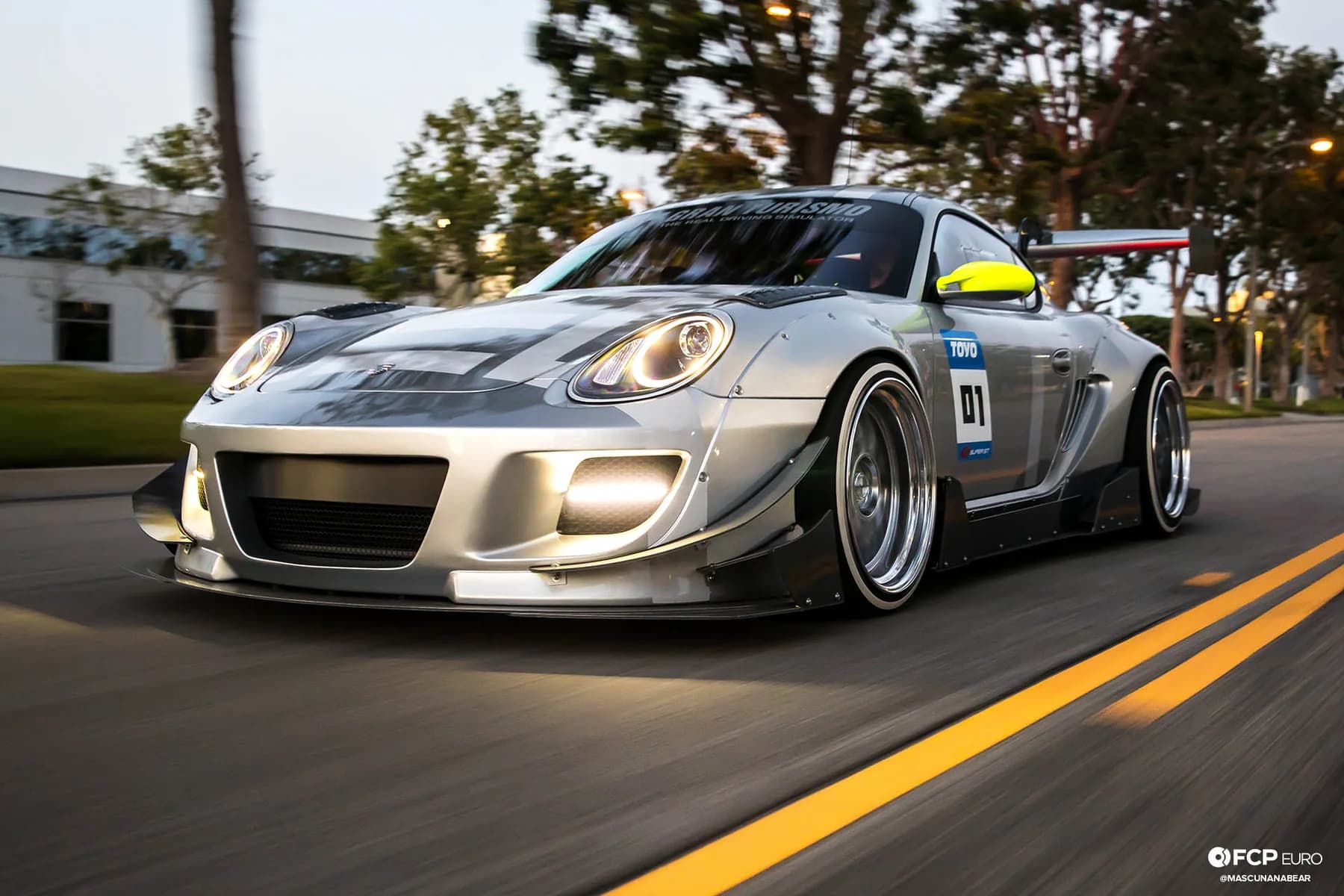
In practice that means a Cayman turns in with less fuss, holds a neutral attitude for longer, and does not require the same reordering of your inputs to stay tidy. You brake later without upsetting it. You get on the throttle earlier because the tail is not doing arithmetic behind you.
None of this makes the 911 bad. The 911 is a masterpiece of engineering around a compromise. The Cayman simply does not need the engineering because it never had the compromise.
Porsche knew, and priced accordingly
The company has never pretended otherwise. It just never let the Cayman prove it.
For most of its life the Cayman was kept a step behind the Carrera on power, on brakes, on options availability. The Cayman S existed carefully underneath the base 911. When Porsche did let one off the leash, with the 987 Cayman R and later the 981 GT4, the results were exactly what everyone suspected they would be.
A company does not spend that much effort restraining a model unless it knows what happens if it stops.
Where the 911 actually earns its money
Being honest about this matters, because the Cayman argument gets lazy.
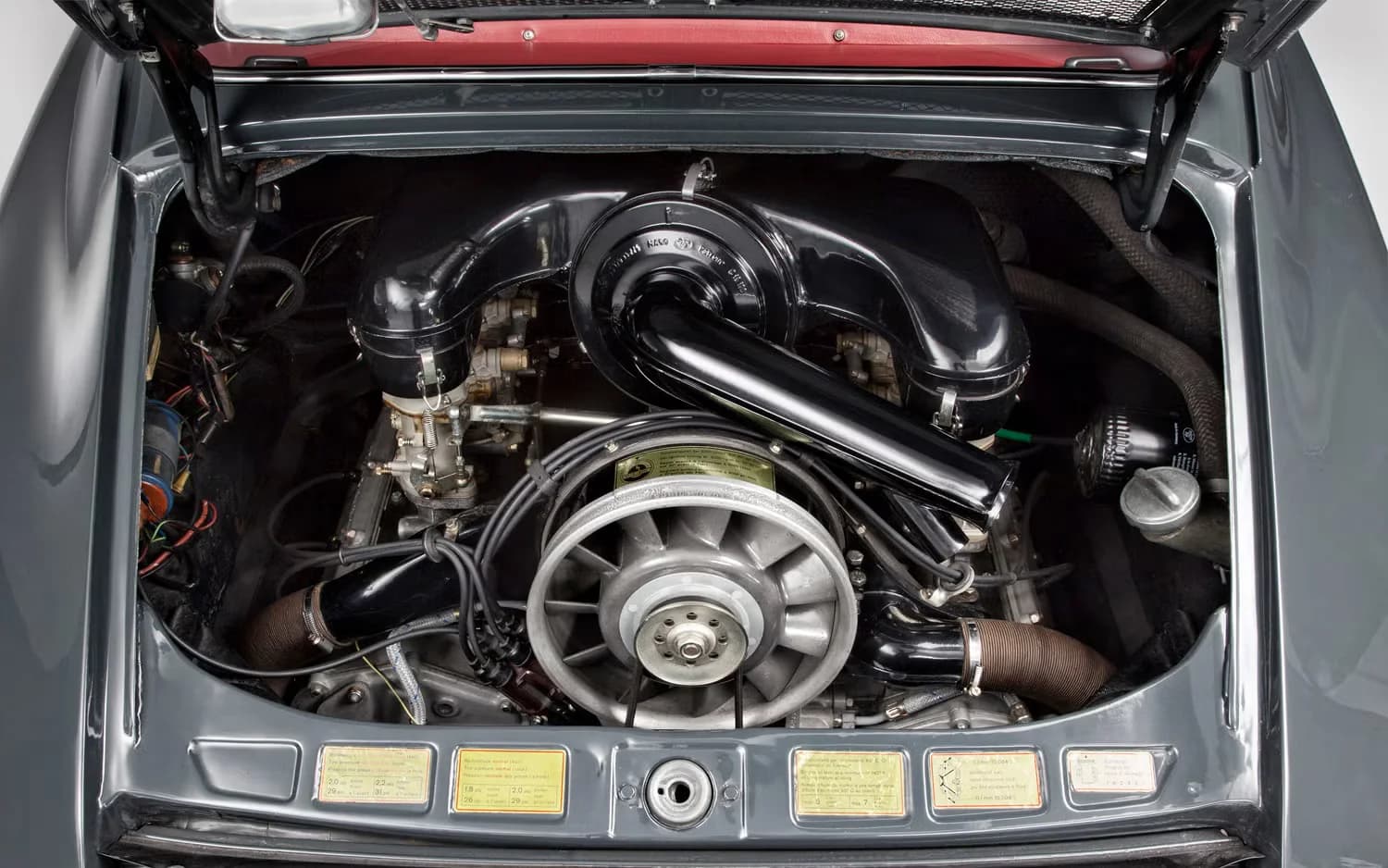
The 911 has rear seats, which are useless for adults and enormously useful for bags, jackets and children. It has a bigger front trunk. It has a flat-six that sounds better than any flat-four ever will. It has sixty years of continuity, which is not nothing when you are spending real money on an object.
And at the very top, the 911 wins on outright speed. Turbo and GT2 RS models put down power in a way nothing mid-engined in the same building can match, because that rear traction advantage keeps paying out as the power climbs.
The flat-four asterisk
The 718 generation replaced the naturally aspirated flat-six with a turbocharged flat-four, and it is the one genuinely fair criticism of the modern Cayman.
The chassis stayed brilliant. The engine note did not. A large part of the appeal of a mid-engined Porsche is having a naturally aspirated six shouting a foot behind your head, and swapping that for a boosted four removed the thing people loved most. Sales tell that story clearly enough that Porsche put a naturally aspirated 4.0 six back in the GT4 and Spyder.
If you want the Cayman experience, either buy a 987 or 981 with the six, or buy a 718 GT4. The middle ground is where the argument gets complicated.
What to actually buy
- 987.2 Cayman S for the best combination of price, engine and feel. Direct injection, no intermediate shaft, and a proper six.
- 981 Cayman S if you want the sharper chassis and better interior, at a higher price.
- 981 GT4 if you have GT money and want the version Porsche finally stopped holding back.
- 987.1 Cayman as the budget entry, with the same borescope inspection every M97 car needs.
- 718 GT4 or Spyder if you want the newest chassis with the right engine.
The base cars are not consolation prizes either. A base 987 Cayman on good tires with the suspension refreshed will out-corner far more expensive machinery and cost less to run than a hot hatch.
The take
If you buy a 911, buy it for the right reasons. The noise, the shape, the history, the way it puts down power out of a corner. Those are legitimate and they are worth paying for.
Do not buy it because you think it is the better-handling car. On most roads, at most speeds, driven by most people, it is not, and the company that builds both has spent two decades making sure you never got a chance to find that out for yourself.