Two 911s can look identical in photos, share a year, share mileage, and sit twelve grand apart in price. The difference is a sticker most buyers never bother to read.
Porsche has always sold cars as a base plus a very long options list, and forty years later that list is still deciding what the car is worth. Learning to read it is the highest-value hour you can spend before buying.
The sticker is in the front trunk
On most modern Porsches there is an options label under the front trunk lid or in the service book, listing every three-digit option code the car was built with. Photograph it. Decode it. Compare it against the advert.
Sellers describe cars from memory and memory is generous. The sticker does not exaggerate. If a car is advertised with a sport exhaust and the code is not there, either somebody retrofitted it or somebody is guessing, and both change the value.
The three that move the price most
1. The gearbox. On anything from the 996 through the 991, a manual carries a premium and holds it. PDK is faster, smoother and better in traffic, and on a GT car it is genuinely the quicker way around a lap. The market still pays for the third pedal, and on older cars the gap is widening rather than closing. Buy whichever you actually want to drive, but know which one the next buyer wants.
2. A limited-slip differential. On earlier cars this was a real option box and plenty of Carreras left without one. It transforms how the car puts power down out of a slow corner, and retrofitting means opening the transmission. Later cars bundle it into torque vectoring packages. Check, do not assume.
3. Sport Chrono. People buy it for the dash-top stopwatch and the launch mode, which is the least interesting part. The value is in the sharper throttle map, the more permissive stability control setting and, on some cars, dynamic engine mounts. It is one of the few options that noticeably changes the character of the car.
The two that make it better to own
4. The sport exhaust. A flat-six with a valved exhaust sounds like the reason you bought the car. Without it, a modern Carrera is quieter than people expect and the disappointment is real. Aftermarket systems exist and are often cheaper, but the factory system with its code on the sticker is what resale rewards.
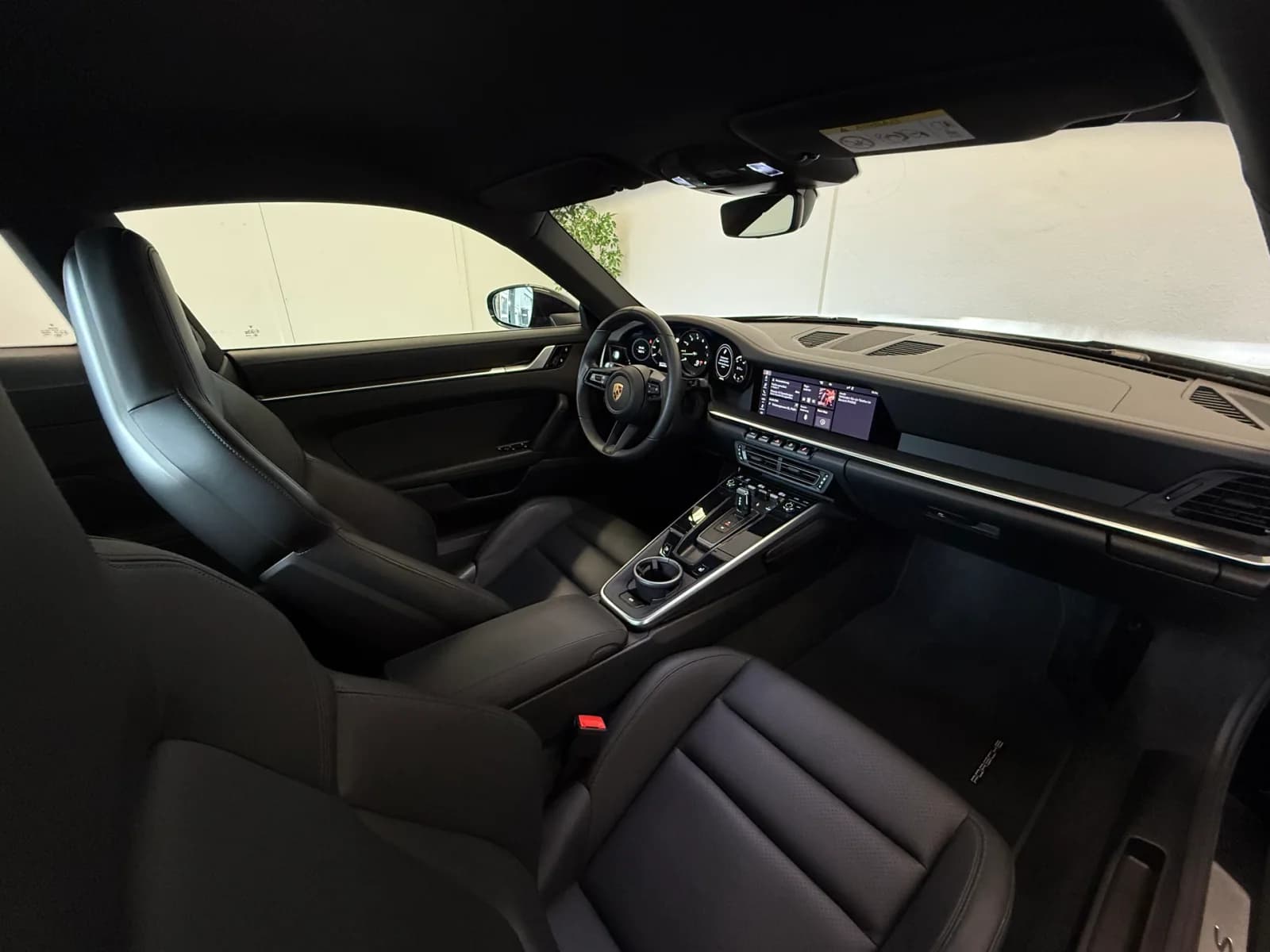
5. The seats. Comfort seats are fine for a road car and useless the moment you start driving properly. Sport seats hold you. Full buckets hold you better and make getting in and out a project. If you plan on track days, the seat is the option that changes your lap time more than any engine tick box.
The option that costs you money
6. Carbon ceramic brakes. On a new car they are a fortune. On a fifteen-year-old car they are a liability sitting on all four corners waiting to become your problem.
They do not simply wear like steel discs, they lose material and get weighed or measured against a spec, and a set at the end of its life costs more than plenty of running 986s. A used car with worn ceramics is worth less than the identical car on steel discs, and buyers routinely get this backwards. Check the wear numbers or price a full steel conversion into your offer.
Color is an option too
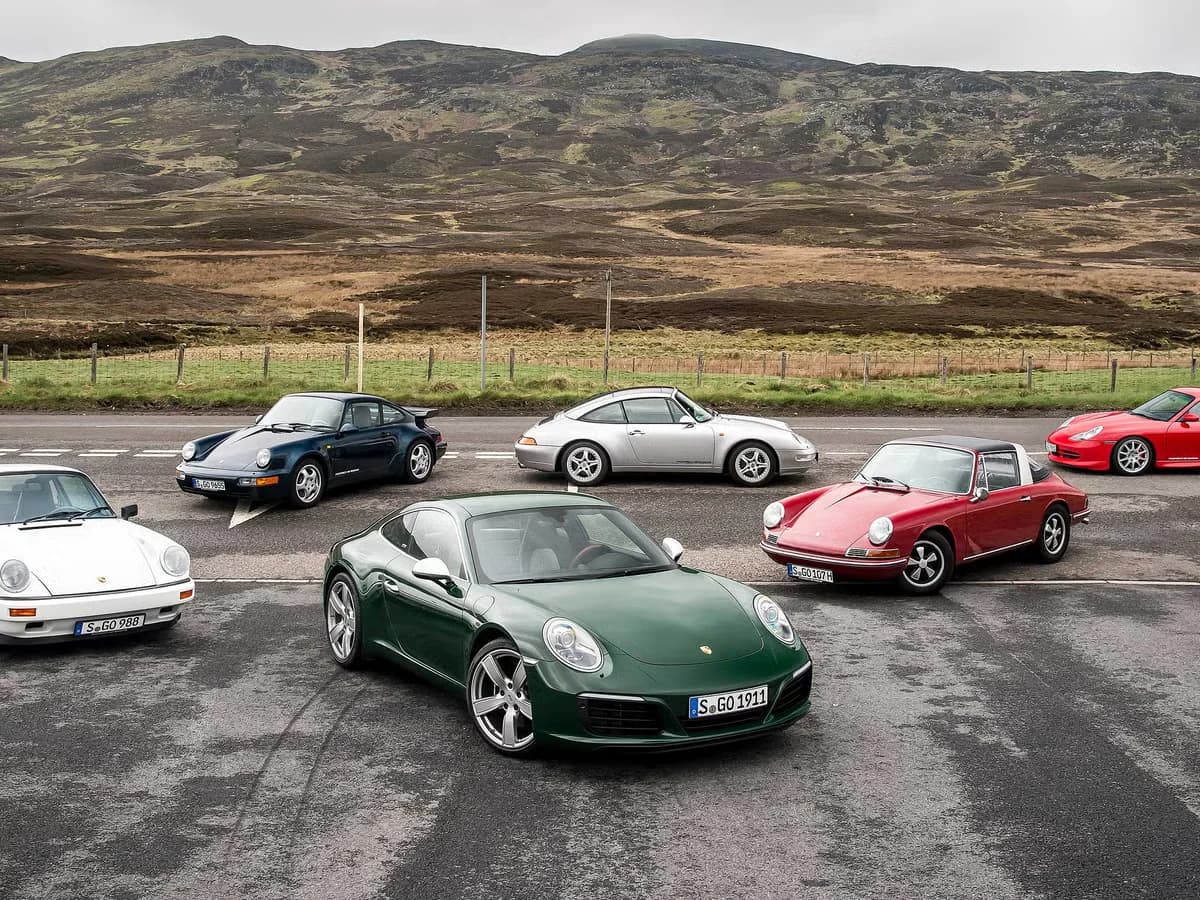
7. Paint to Sample and the rare factory colors. Porsche's willingness to build a car in almost any shade created an entire subculture, and the market pays a genuine premium for the good ones.
Silver and black are the safe choices and priced accordingly. A well-chosen period color, particularly on an air-cooled car or a GT model, can be worth a serious percentage of the car. A badly chosen one can be a discount. Nobody can tell you which is which, which is exactly why it stays interesting.
How to actually use this
Build the spec you want before you shop, then filter listings against it rather than falling for the first clean car you see. A well-specified example one year older will out-drive and out-hold value against a bland car from a better year almost every time.
And when a car is missing a box you care about, price the retrofit honestly. Sport exhaust, easy. Sport seats, doable. Limited-slip diff, painful. Ceramics, forget it.
The take
Spec culture at Porsche gets mocked as badge-obsession, and some of it is. Most of it is not. The options list is the closest thing to a spec sheet the brand ever published honestly, and it is the difference between a car you keep and a car you tolerate.
Read the sticker. It is free, and it is the only part of the advert that cannot lie to you.