Downforce is a tax. Every kilogram of it costs you drag, and drag is top speed, fuel and straight-line acceleration. For most of automotive history you picked a point on that trade and lived with it: a fixed wing, a fixed splitter, a permanent compromise bolted to the car.
Active aero is the refusal to pick.
The core trick is stalling a wing on purpose
A rear wing works by turning air upward and pushing the car into the road. Flatten that wing and it stops turning air, stops making downforce, and stops making the drag that came with it.
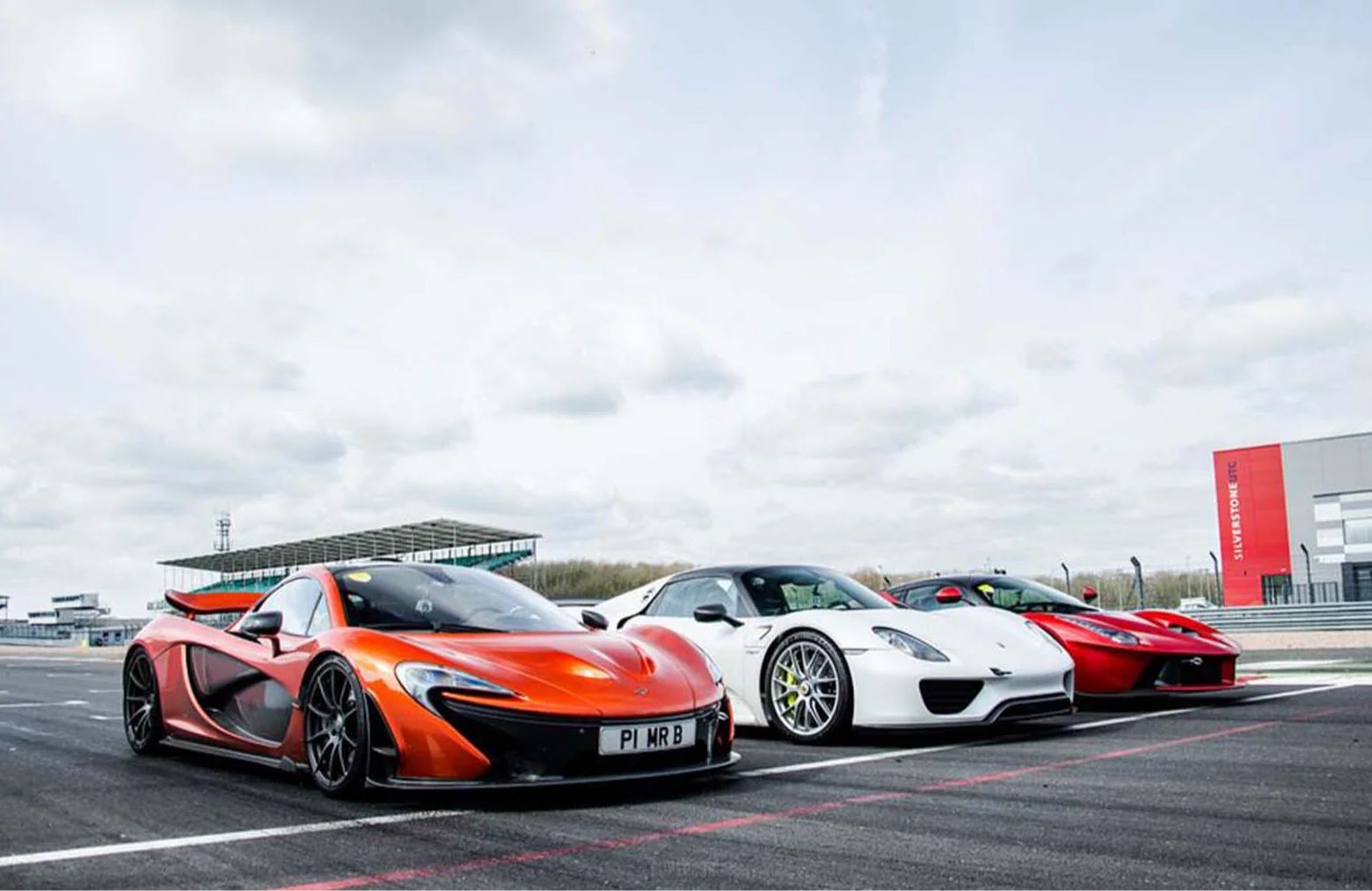
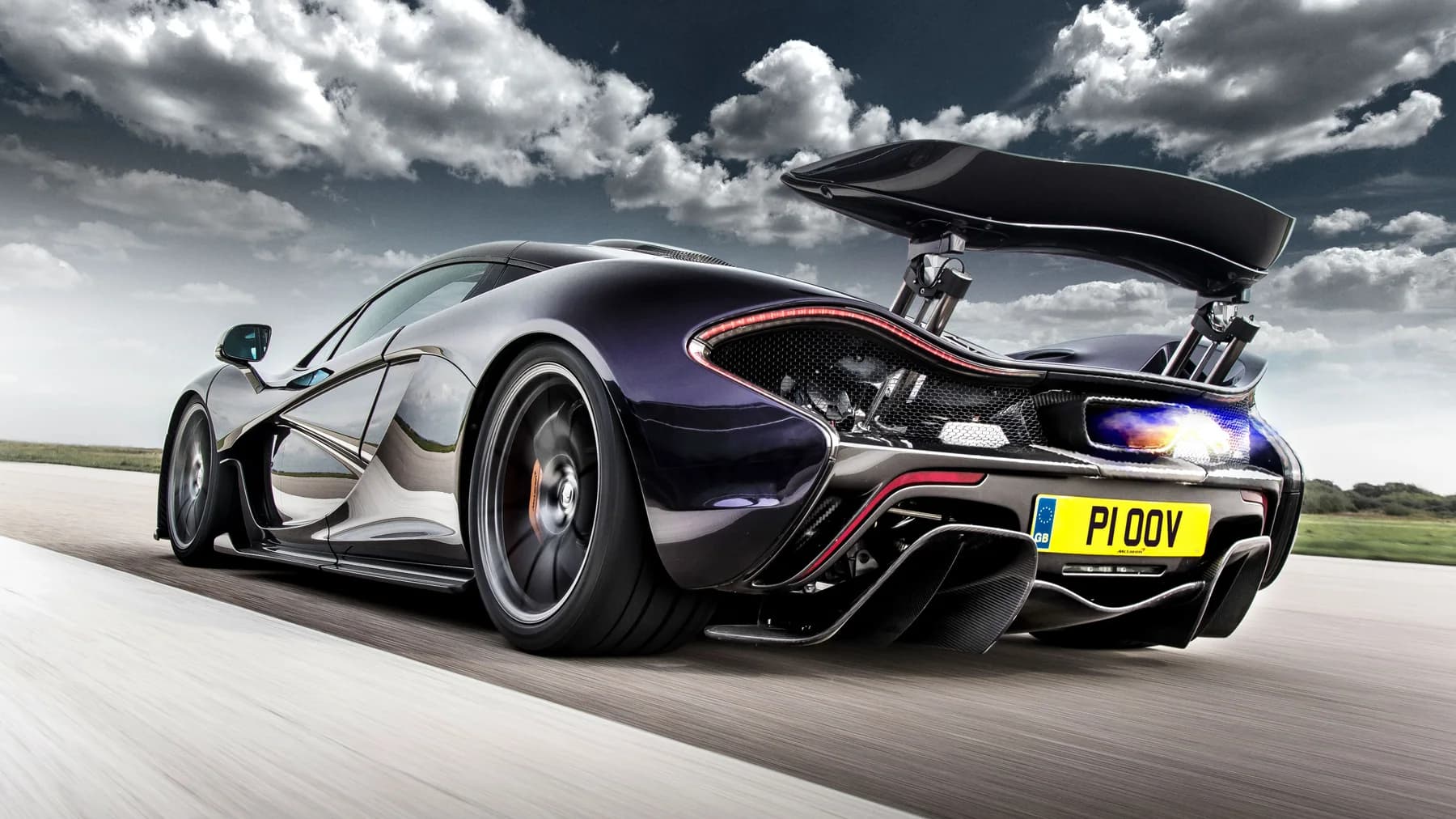
McLaren's P1 built a whole system around exactly that. The rear wing changes angle with speed, and a driver-triggered function drops it flat on a straight. Less grip you were not using, more speed you were. Lamborghini's Huracan Performante reached the same outcome through ducting rather than movement, routing air through internal channels to stall sections of the wing on command.
Airbrakes and the centre of pressure
Point that same wing steeply into the airflow under braking and two things happen. The obvious one is drag, which slows the car. The subtle one is a large rearward shift in the aerodynamic centre of pressure, which plants the rear axle precisely when weight transfer is trying to unload it.
That is why the Veyron's rear wing snaps to a steep angle under hard braking, and why a long list of exotics have copied the idea since. The stability is worth as much as the deceleration.
Corner-by-corner balance
The genuinely clever part is treating each corner of the car separately. Pagani's Huayra runs four independent flaps, one at each corner, adjusting them individually using speed, steering angle, throttle position, brake pressure and lateral load.
That lets it do things a fixed wing physically cannot:
- Raise a front flap to counteract nose lift under heavy braking.
- Drop an outside flap mid-corner to load the side of the car doing the work.
- Keep the body flat through a direction change instead of letting it take a set and wallow.
Lamborghini's ALA system ran a version of the same idea through the rear wing, venting air out of one side to cut downforce asymmetrically and effectively steer the car with aerodynamics.
Most of the downforce is underneath
Wings get the attention because you can see them. The majority of the real downforce on a modern mid-engine supercar comes from below: a shaped floor, side channels, and a rear diffuser accelerating air under the car and dropping the pressure there.
LaFerrari worked both ends of that system, deploying front and rear diffuser elements automatically rather than asking the driver to think about it. Ferrari's argument was blunt. The car knows what it needs sooner than you do.
What any of this does at street speeds
Almost nothing, and that is fine. Aerodynamic load scales with the square of velocity, so a system generating serious downforce at 180mph is generating a rounding error at 45.
Below highway speeds these systems mostly sit parked in their low-drag position, which is the entire point. Active aero exists so a car can be efficient on the drive to the circuit and useful once it gets there, instead of dragging a fixed wing around for the ninety-five percent of its life spent below 70mph.
The part nobody mentions
Every one of these systems is actuators, sensors, hydraulic lines and control software living in the dirtiest, hottest, wettest part of the car. They work brilliantly when new. On a fifteen-year-old example they are a line item on an estimate, and a stuck wing on a car that measures its own aero balance can put the whole system into a limp mode.
That is the honest trade of the active-aero era. You get a car that is genuinely quick in two contradictory ways, and eventually somebody inherits it with a wing motor that costs more than a set of wheels. Still worth it. Just know which side of that deal you are standing on.