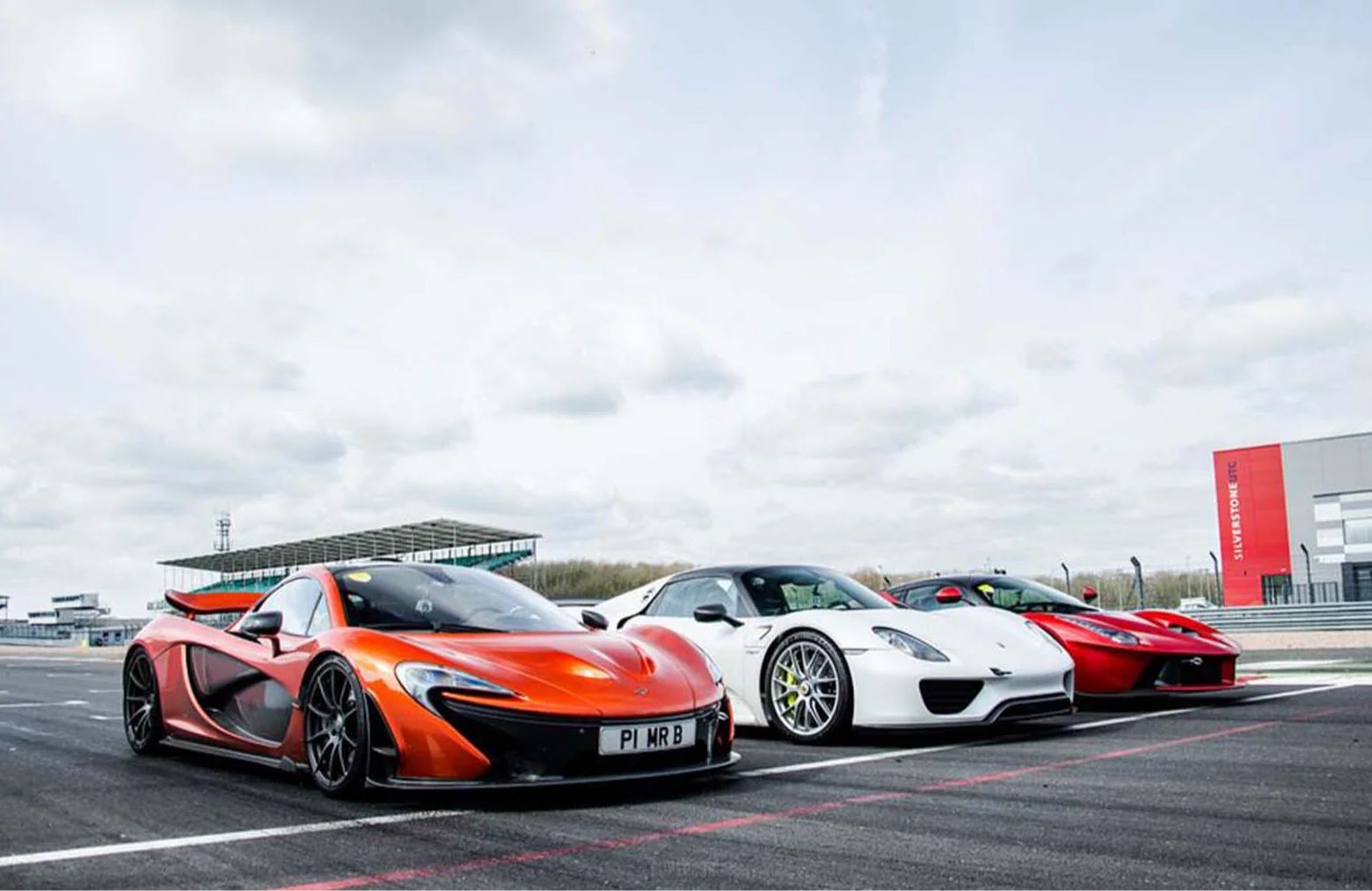
Three cars landed within about a year of each other, all using electric motors to do something other than save fuel, and the internet immediately packaged them as a trinity. It is a tidy story. It is also why most people cannot tell you what any of the three actually did differently.
They were solving three different problems
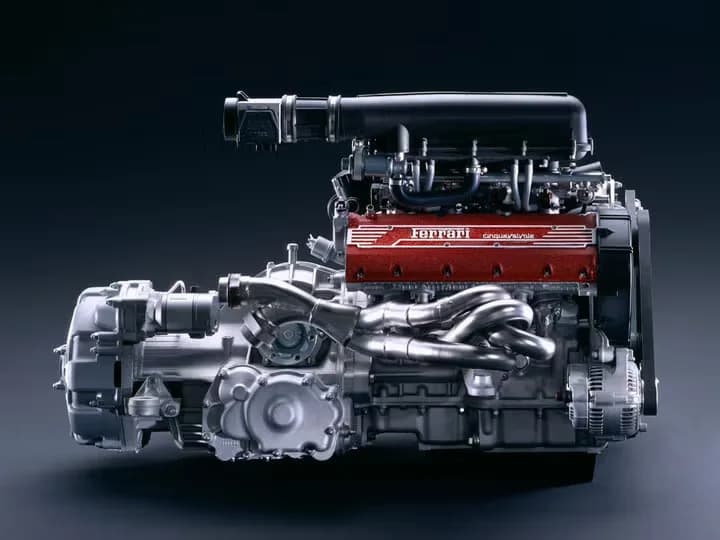
LaFerrari used its electric motor as a torque filler for a 6.3-litre naturally aspirated V12. No plug, no electric-only mode, no gesture toward efficiency. The battery existed to shove the car forward in the part of the rev range where a big naturally aspirated engine is still building, and to recover energy under braking. The hybrid system worked in service of the engine.
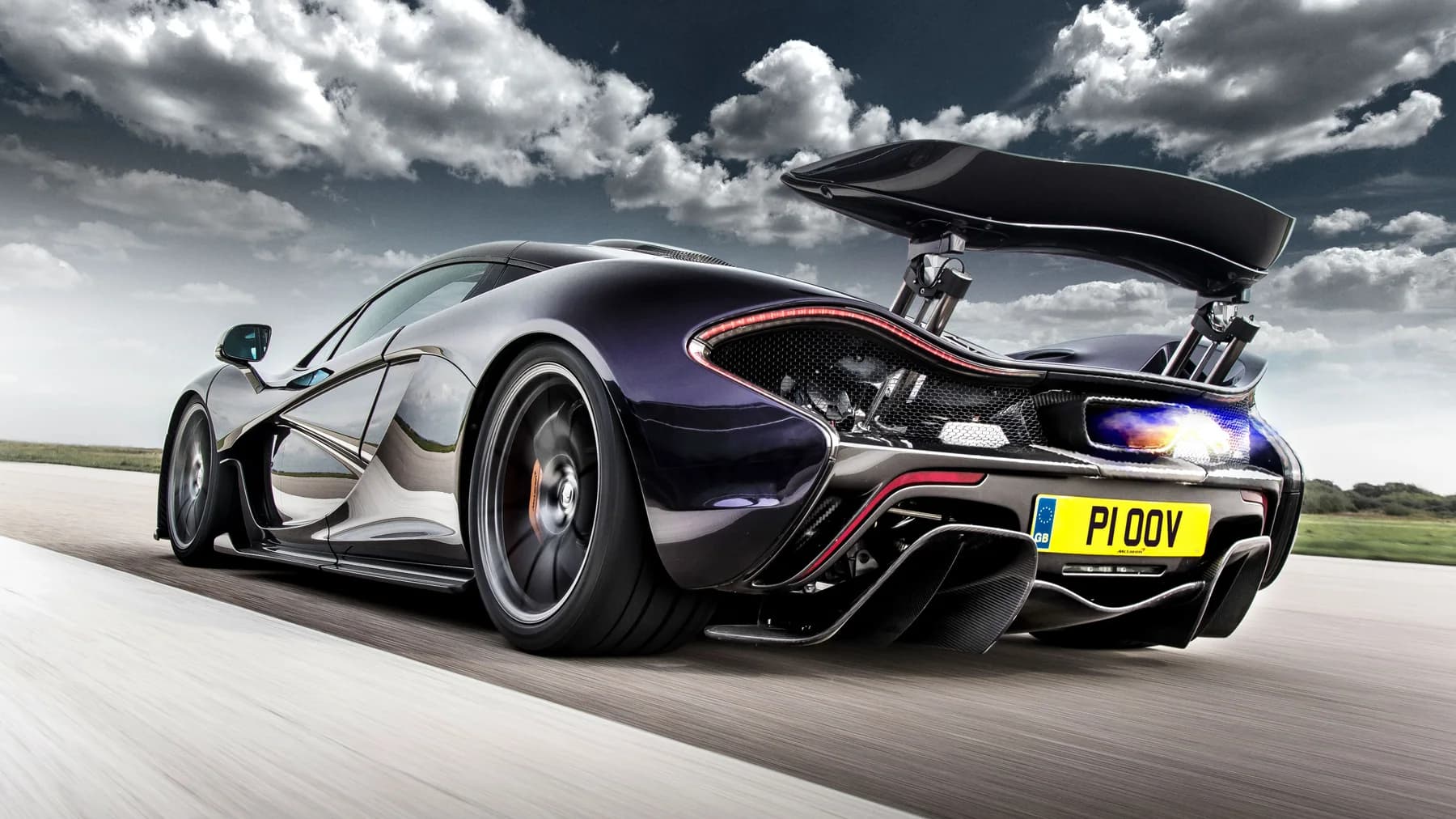
The McLaren P1 used its motor in service of the turbochargers. A 3.8-litre twin-turbo V8 has a hole in its delivery while boost builds. The motor fills that hole, and McLaren stacked a driver-triggered boost function and an active rear wing with a low-drag position on top of it. It was a lap-time device and never pretended to be anything else.
The 918 went the other direction, with plug-in capability, an electric front axle and torque vectoring the other two could not do. It was the most complete of the three and the least focused, and it was the only one that could leave a neighbourhood in silence.
Three philosophies, one label. The trinity framing threw away the only genuinely interesting part of the story.
The bit that actually mattered
None of them sold in numbers that moved anything. Their significance was as proof of concept, and the proof landed hard.
Look at what electrification does in performance cars now. It fills turbo lag. It adds a driven front axle to a rear-drive layout. It recovers braking energy. Those are the P1 and LaFerrari playbooks, running in machinery that costs a fifth as much and gets driven to work.
The trinity's real legacy is that hybrid stopped meaning slow. Before them, an electric motor in a car was a fuel-economy story with sandals-and-smugness attached. After them it was a horsepower story, and every performance brand suddenly had cover to fit one.
Which one aged best
The P1. Not because it is fastest, an argument that is unwinnable and depends entirely on which circuit you pick, but because its approach has aged into looking obviously correct.
Using electric torque specifically to paper over turbo lag is now the default industry answer. An active rear wing with a drag-reduction mode is standard equipment on anything serious. McLaren read the direction of travel and committed to it at a moment when Ferrari was building a hybrid system to protect a naturally aspirated V12 that was already living on borrowed time.
The LaFerrari has the best engine of the three by a distance, and it is the one people will still be starting up in fifty years purely for the noise. That is a different award, and arguably a better one.
The uncomfortable part
Effectively none of them get driven. All three trade well above original list price, market depending, and appreciating assets tend to live in climate-controlled rooms attached to dehumidifiers and battery tenders.
There is something bleak about a car engineered around brake-energy recovery and a hot lap spending its life on a trickle charger. The engineering was aimed at the limit. The ownership pattern is a vault with a nice floor.
The take
Stop calling them a trinity. They were not really rivals. They were three separate arguments about what an electric motor is for, submitted at the same time, and the industry ended up borrowing from all three at once.
If you want the one that predicted the future, it is the P1. If you want the one that will still be worth crossing a car park for in 2075, it is the LaFerrari. And if you genuinely wanted to drive one every week, you already know the answer, which is exactly why it gets the least attention from people who mostly watch videos.