A used Ferrari is affordable. A used Ferrari that runs is a different product at a different price, and the gap between the two is where most of the internet's ownership horror stories live.
The mid-engine V8 cars are the realistic ones. The 360, F430 and 458 were the volume models, which means parts exist, specialists exist, and there is a well-documented list of what goes wrong. Here is where the money actually goes, generation by generation.
The 360: cheap to buy, expensive to service
The 360 Modena arrived in 1999 with a 3.6-litre flat-plane V8, an aluminium spaceframe, and a choice between a gated six-speed and the F1 automated manual.
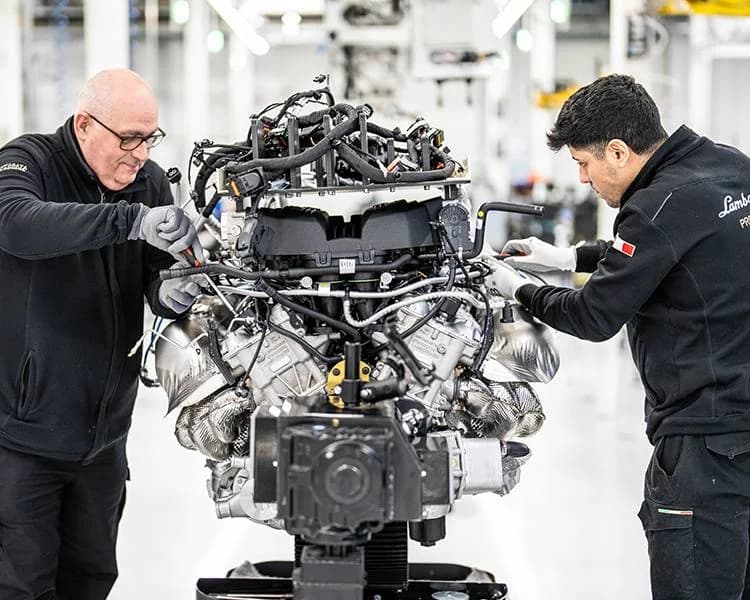
The defining cost is the timing belt service. The engine runs rubber belts on a time-based interval, and the accepted way to do the job properly involves dropping the engine and transaxle out of the car. It is a four-figure job at the low end and climbs from there once the water pump, seals and clutch are sitting there staring at you.
Do the clutch at the same time if it is anywhere near worn. The labour overlaps almost completely. Paying twice for the same access is how owners end up resenting a car they used to love.
The F430: chains change the math
The F430 moved to a 4.3-litre V8 with chain-driven cams. No belt interval at all. That single change is the largest running-cost difference in modern used Ferrari ownership, and it is why the F430 is frequently the better financial decision despite costing more to buy.
What remains:
- F1 clutch wear, readable on diagnostics and replaceable in the low thousands at an independent shop.
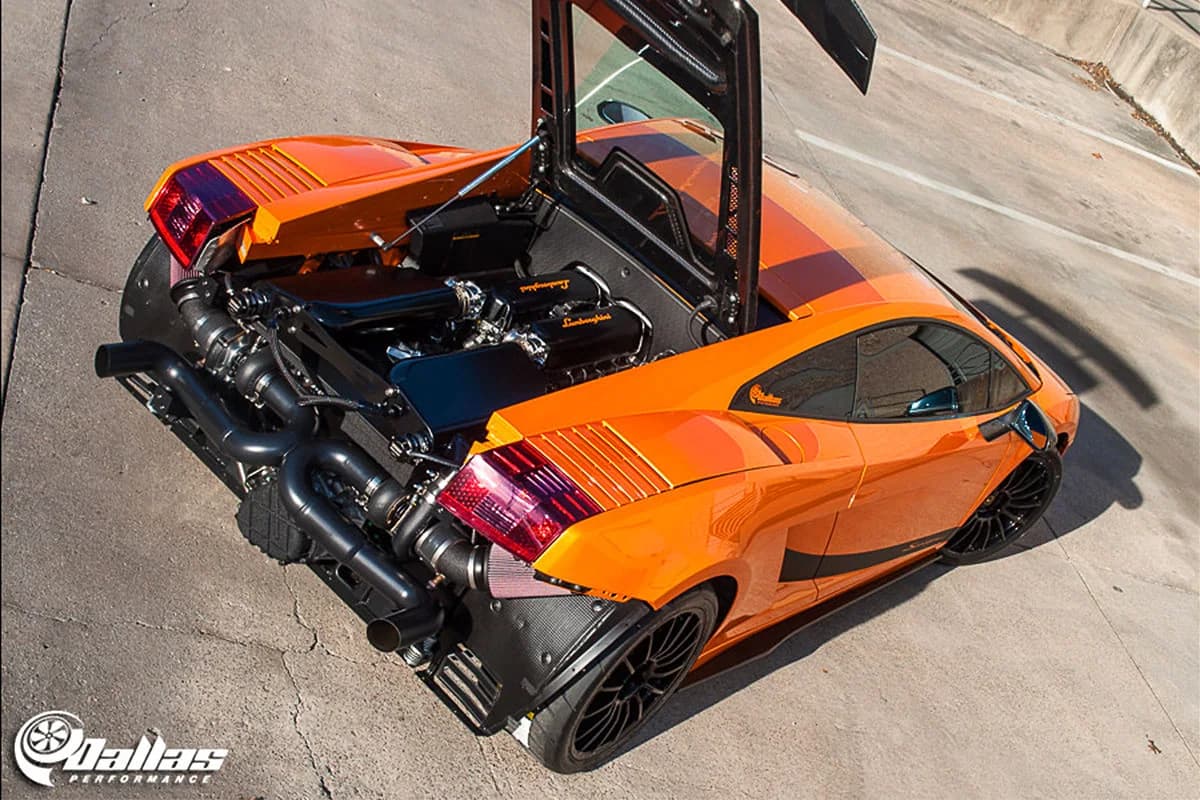
- Exhaust manifolds that crack with age and heat cycling. Not universal, common enough to inspect for specifically.
- Sticky switchgear, the defining annoyance of the era. The soft-touch coating degrades and every button feels like old tape.
- Carbon-ceramic brakes if fitted. They last a very long time and cost a very serious amount on the day they do not.
The 458: modern, dual-clutch, still not free
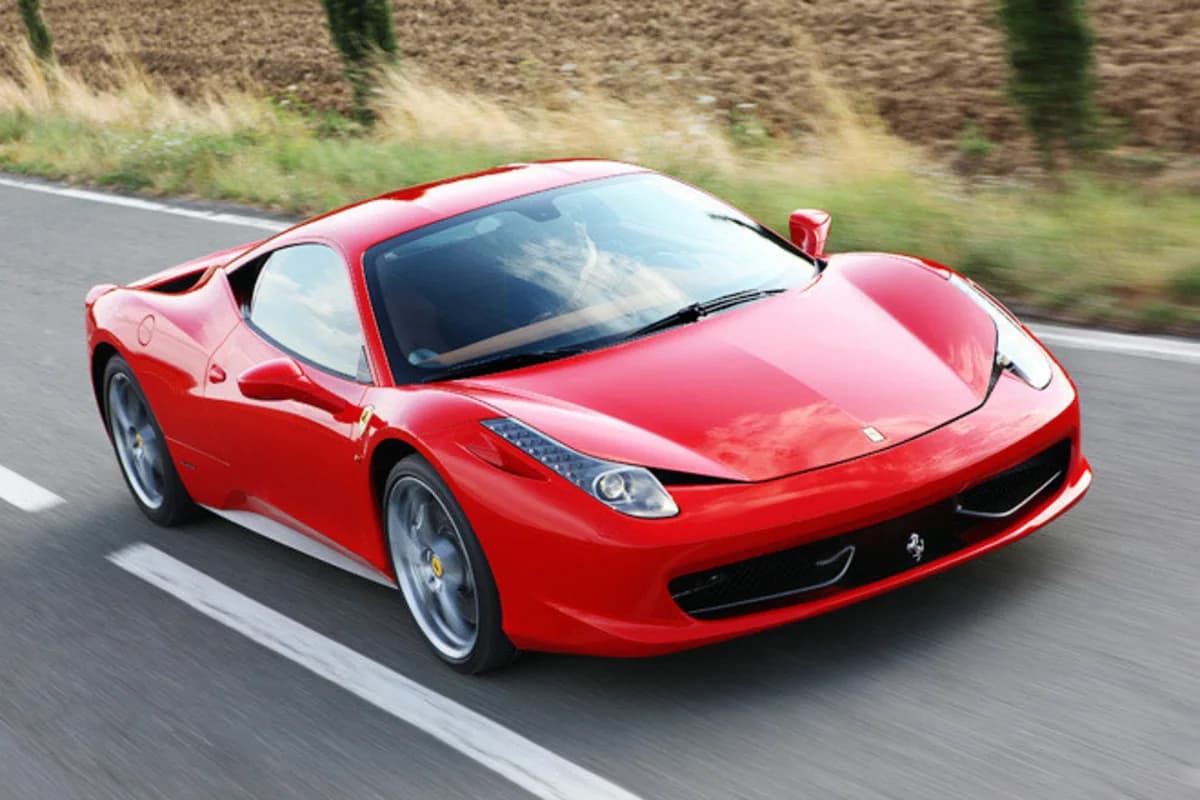
The 458 brought a 4.5-litre V8 spinning to 9,000rpm and a proper dual-clutch gearbox. The DCT largely removed the clutch anxiety that defines the single-clutch cars. Driven normally they are durable.
Ferrari also runs a scheduled-maintenance programme covering routine servicing for seven years from first registration, and it transfers with the car. On a used example still inside that window it means genuinely low routine costs. It covers scheduled work only. Tires, brakes, clutches and anything you personally broke remain yours.
The costs nobody quotes you
- Tires. Correct-size performance rubber, four at a time, four figures. They also age out. A five-year-old tire with good tread is still a five-year-old tire.
- Storage and tenders. These cars hate sitting, and a flat battery on a modern Ferrari can mean a wake-up procedure rather than a jump start.
- Agreed-value insurance. Get it. Standard policies and specialist exotica do not mix well in the aftermath of an incident.
- Alignment after anything. Suspension geometry matters here, and a bad alignment eats a four-figure tire set in a season.
- The pre-purchase inspection you skipped. Cheapest money in the entire process, every single time.
How to buy the cheap one safely
Records beat mileage. A 40,000-mile car with a folder of specialist invoices is a better bet than a 12,000-mile garage queen with three stamps and eight years of sitting still.
Ask when the belts were done, not whether. Ask for the clutch wear reading in writing. Ask whether the manifolds have been checked. If the questions irritate the seller, the car is telling you something the seller is not.
The take
Budget for the car, then budget the same energy again for the two years after it. People who sell their Ferrari inside eighteen months almost never do it because the love faded. They do it because a bill arrived that somebody told them would not.
Get the folder. Do the belts. Then drive it far more than feels responsible, because cars that get used are cheaper to own than cars that get preserved, and preserved cars are boring anyway.