The cheapest part of supercar ownership is the supercar. That reads like a joke until the first invoice lands and the tires alone cost more than the last car you sold.
Depreciation has done something genuinely useful over the past decade. It dragged real mid-engine exotica down into used-German-sedan money. A Gallardo, a Ferrari 360, an MP4-12C all live in a range a disciplined buyer can actually reach. Getting in is the easy part. Staying in is the part nobody posts about.
Budget backwards, not forwards
Decide what you can lose in a year without it changing your life, then shop for a car whose bills fit inside that number. The rough working figure specialists use is ten percent of the car's value per year, averaged over several years.
Some years you spend nothing but oil, tires and an annual inspection. Then one year the clutch, the brakes and a hydraulic actuator all arrive together and eat three years of average in a single week. Average is a lie you tell yourself. Plan for the spike.
Tier one: the actual entry point
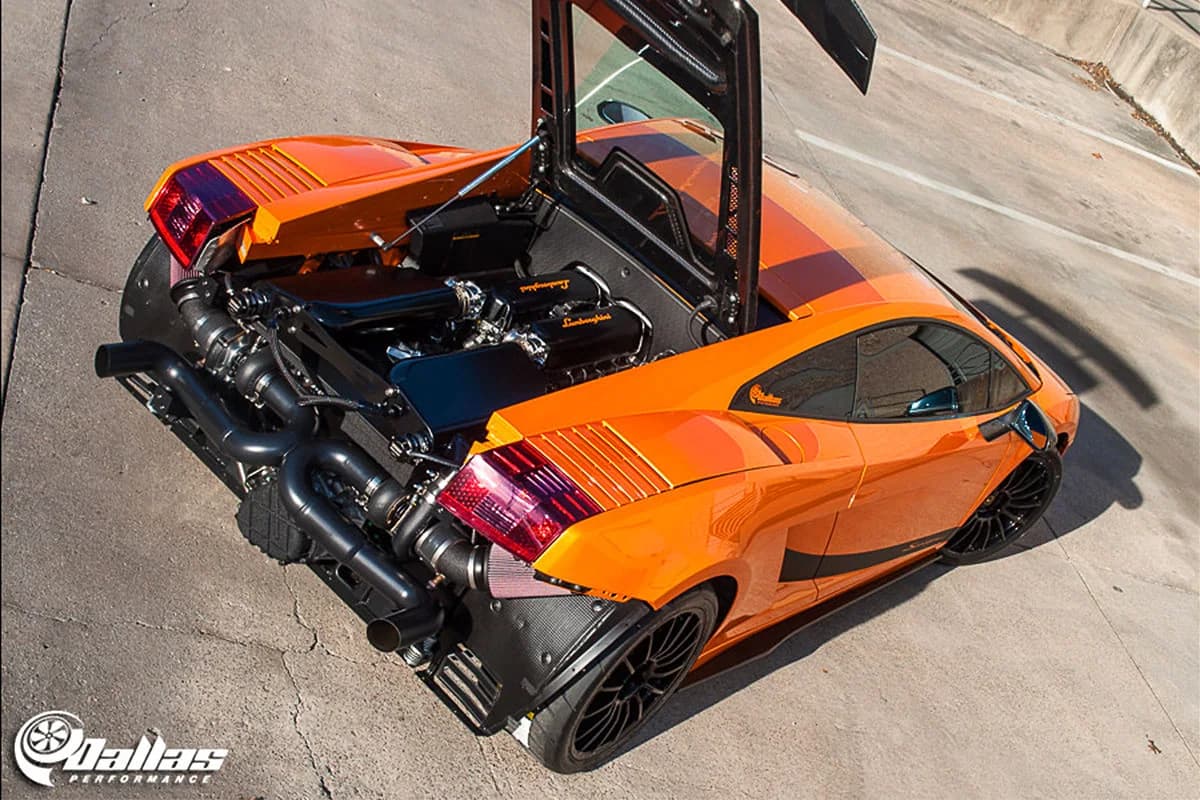
- Lamborghini Gallardo (5.0, e-gear) — the loudest way in. V10 noise for the price of a nice truck, with a single-clutch automated gearbox that will eventually want a clutch. All-wheel drive makes it usable in weather it has no business being out in.
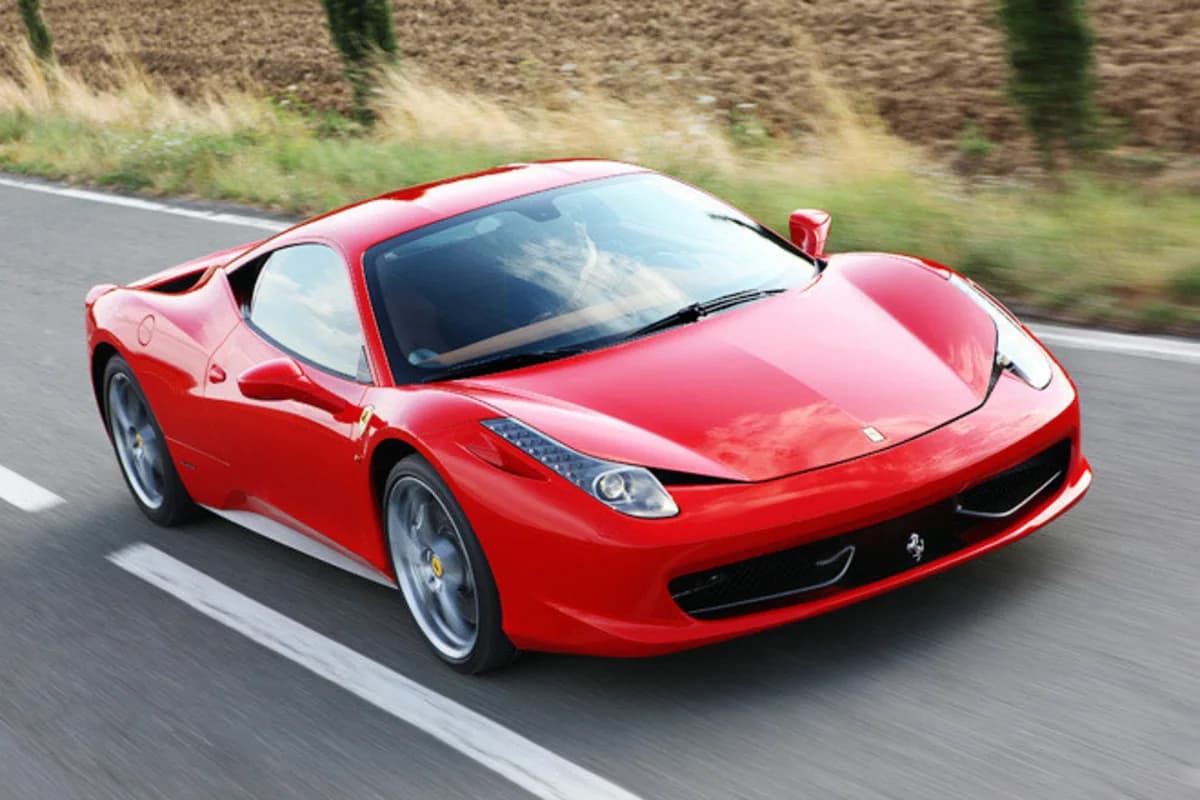
- Ferrari 360 Modena — flat-plane V8, a gated shifter on the good ones, and a timing-belt service that involves the engine leaving the car. Budget for the belt job before you budget for wheels.
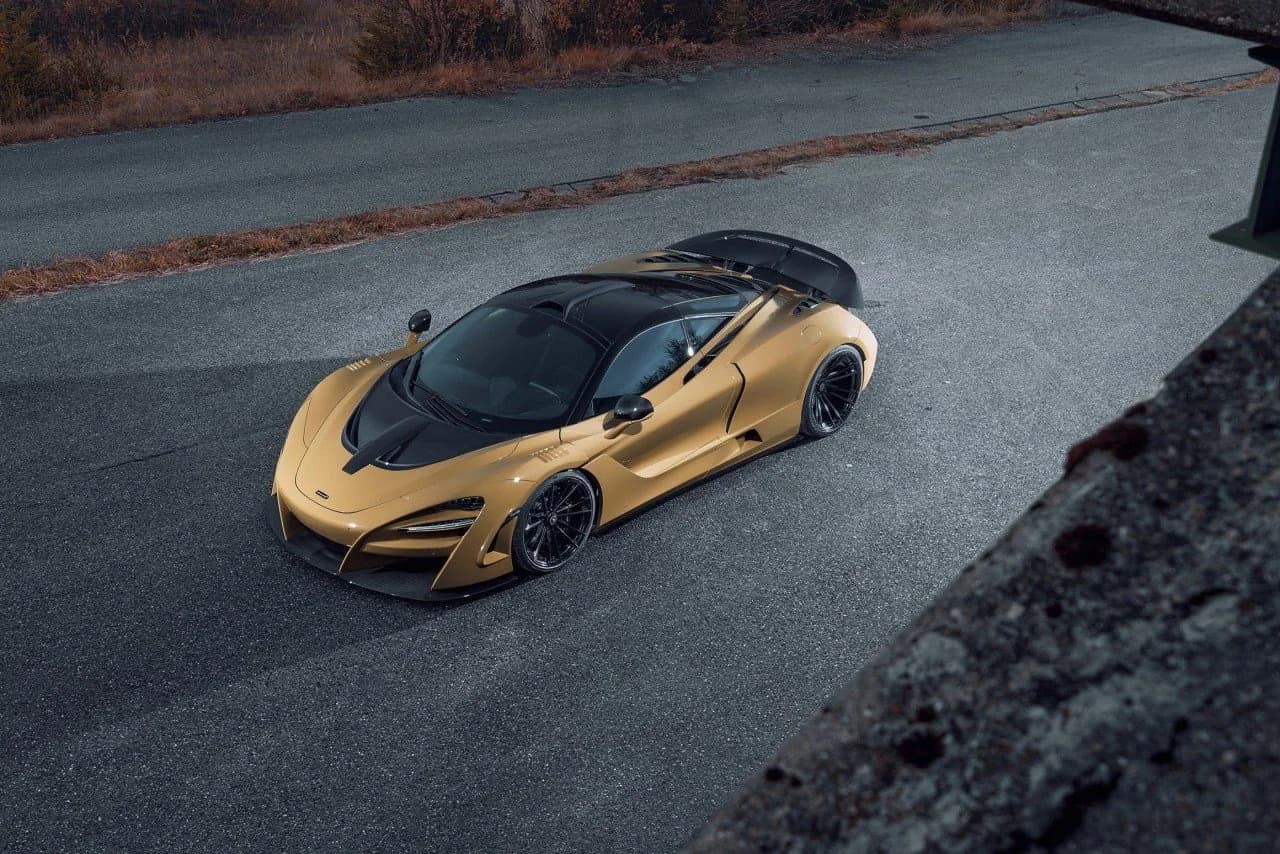
- McLaren MP4-12C — the most car per dollar in this bracket and the biggest gamble. Carbon tub, twin-turbo V8, genuinely quick, and an early-run electrical system with a reputation it earned.
Every one of these has a version of the same trap. Cheap examples are cheap because somebody deferred something.
Tier two: where the misery drops off
Step up a bracket and the scary line items start disappearing. The F430 replaced the 360's belts with chains, which deletes the single most expensive scheduled job in used Ferrari ownership. The 5.2-litre LP560-4 Gallardo tightened the electronics and added direct injection. The 650S is a far more sorted McLaren than the 12C it grew out of.
You pay maybe forty to sixty percent more up front to remove most of the horror stories. That is the best-spent money in this entire hobby. Buying the tired cheap one and fixing it toward the good one always costs more than buying the good one.
What to actually check
- Full service history from a marque specialist, not a general shop that "can do Italian."
- Clutch wear percentage read off the car's own diagnostics on any single-clutch automated gearbox.
- Underbody and suspension damage. These cars scrape, and the plastic under there is not cheap.
- Front bumper paint quality. A mediocre respray is a tell that something happened and got quietly handled.
- Air conditioning that blows properly cold. On a mid-engine car with radiators in the nose, weak AC is often a symptom rather than a fault.
- Every warning light illuminating at startup the way it should. Bulbs get removed to hide faults. This is a real thing that real sellers do.
Pay a specialist for a pre-purchase inspection. Expect several hundred to well over a thousand depending on marque and how deep they go. It is the only money in this process guaranteed to pay for itself.
Ownership habits that keep you solvent
Drive it. These cars rot when they sit. Seals dry out, batteries die, fuel goes stale, brakes seize to rotors. A car used every couple of weeks is cheaper to keep than one living under a cover.
Find your independent specialist before you need one. Dealer labour rates are what they are, and a good indie with the correct diagnostic software will do identical work for meaningfully less while telling you honestly what can wait until spring.
Keep a maintenance fund in cash, separate from the payment, and do not touch it. If you financed the purchase, that fund matters more, not less.
The honest version
The most expensive supercar you can buy is a cheap one you cannot afford to fix. Half-sorted exotics circulate through the classifieds forever because each owner does the bare minimum and passes the rest down the line.
Be the person who buys the expensive one with the folder of receipts. It is boring advice, and it is the only advice that keeps the car in your garage past year two.