A clean, sorted NA Miata costs somewhere in the mid four figures to low fives depending on rust, history and how honest the seller feels that morning. Keep that number in your head. It is the unit of measurement for everything below.
None of these bills are freak events. They are scheduled, predictable, thoroughly documented outcomes of owning cars engineered to win magazine comparison tests rather than survive a decade of neglect in a damp garage.
The gearbox bills
1. The Lamborghini e-gear clutch. A single-clutch automated manual wears exactly like a human left foot, except the robot has no self-preservation instinct. On a Gallardo it is a transmission-out job in the several-thousand range at a good independent. On a Murcielago, where access is far worse, it climbs into five figures without breaking a sweat.
2. Ferrari F1 hydraulics. The clutch is only half of the system. The pump, accumulator and actuator on 360 and F430-era cars all age at roughly the same rate, and a failed actuator leaves the car unable to select a gear in a parking structure. Individually they are four-figure parts. Collectively they are a weekend you will remember for years.
The engine-out bills
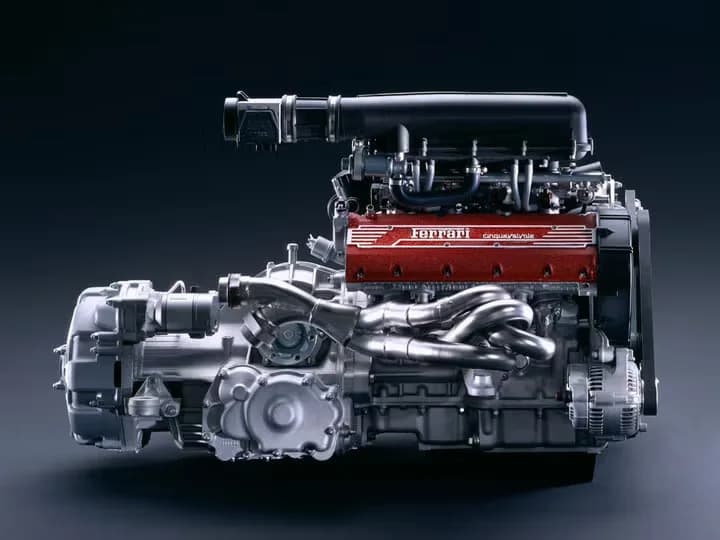
3. The 360's timing belt service. Rubber belts on a time-based interval, and the correct way to do the job involves the engine and transaxle coming out of the car. This is not a failure. It is a calendar event, and across a decade of ownership it costs several Miatas.
4. Cracked exhaust manifolds. Thin-wall stainless, enormous heat cycling, and eventually a crack that trips a check-engine light and fails an emissions test. F430s and their contemporaries are known for it. Replacements exist at every quality level and none of them are cheap once labour goes on the invoice.
Bills for things that are not even broken
5. Carbon-ceramic brakes. They are magnificent. They do not fade, they barely dust, and they outlast steel by an enormous margin. When they finally need replacing, a full set of rotors and pads on a modern exotic is a five-figure conversation. A quiet but real number of owners convert to steel and never mention it.
6. Veyron consumables. The tires are special-order items with a life measured in a few hundred miles of serious use, and the wheels themselves are replaced periodically as part of the car's maintenance regime. Both are widely reported to cost more than most people's daily driver. The W16 also runs ten radiators and a fuel system that needs specialist attention on schedule.
7. Sticky interior syndrome. Not mechanical, not dangerous, purely an insult. The soft-touch coating on 1990s and 2000s Italian switchgear degrades into a tacky film that transfers to your fingers. Restoring an interior's worth of trim is a genuine, quotable, thousands-of-dollars job.
The bill that ends the car
8. Light damage to a carbon tub. A carbon monocoque is stronger than the aluminium or steel structure it replaced, and that strength is not the problem. Inspection and repair are the problem. Structural carbon damage is generally not repaired in the field, and an insurer moves quickly from "possible tub damage" to "total loss" on a car with a five-figure book value.
The tub does not even have to be hurt. Front clamshells, splitters, active aero components and bonded body panels on a modern McLaren or Ferrari carry prices set by a manufacturer that assumes somebody else is paying.
What this actually means
None of this makes these cars bad. It makes them honest. A Gallardo tells you exactly what it needs, and there is a specialist within driving distance of most major cities who has done that specific job fifty times and can quote it over the phone.
The mistake is not buying the car. The mistake is buying at the absolute top of your budget and treating maintenance as a surprise. Every one of the eight above is knowable before you sign anything. Price them in and the car becomes a hobby. Ignore them and one of them becomes the reason you sold it.