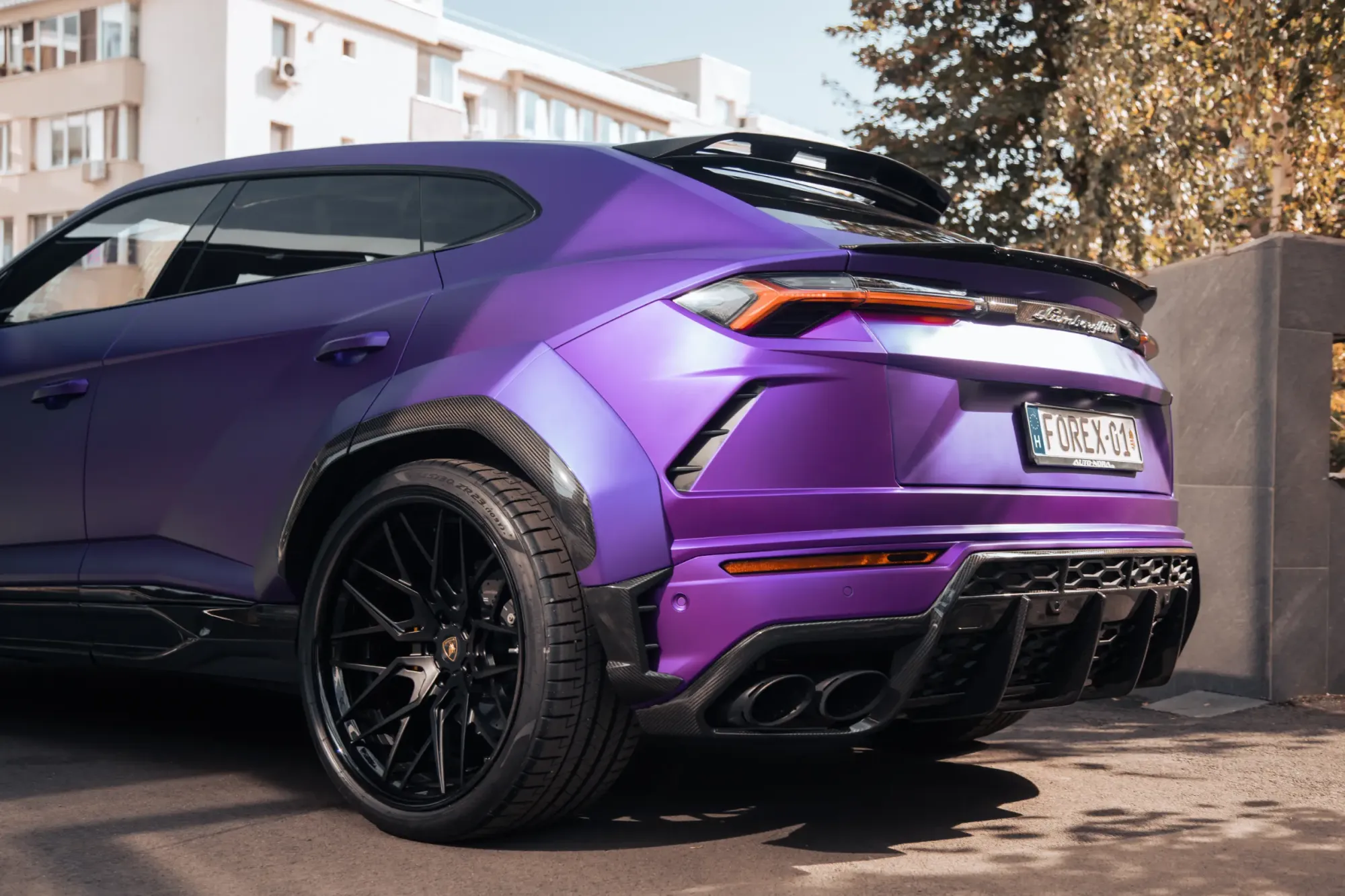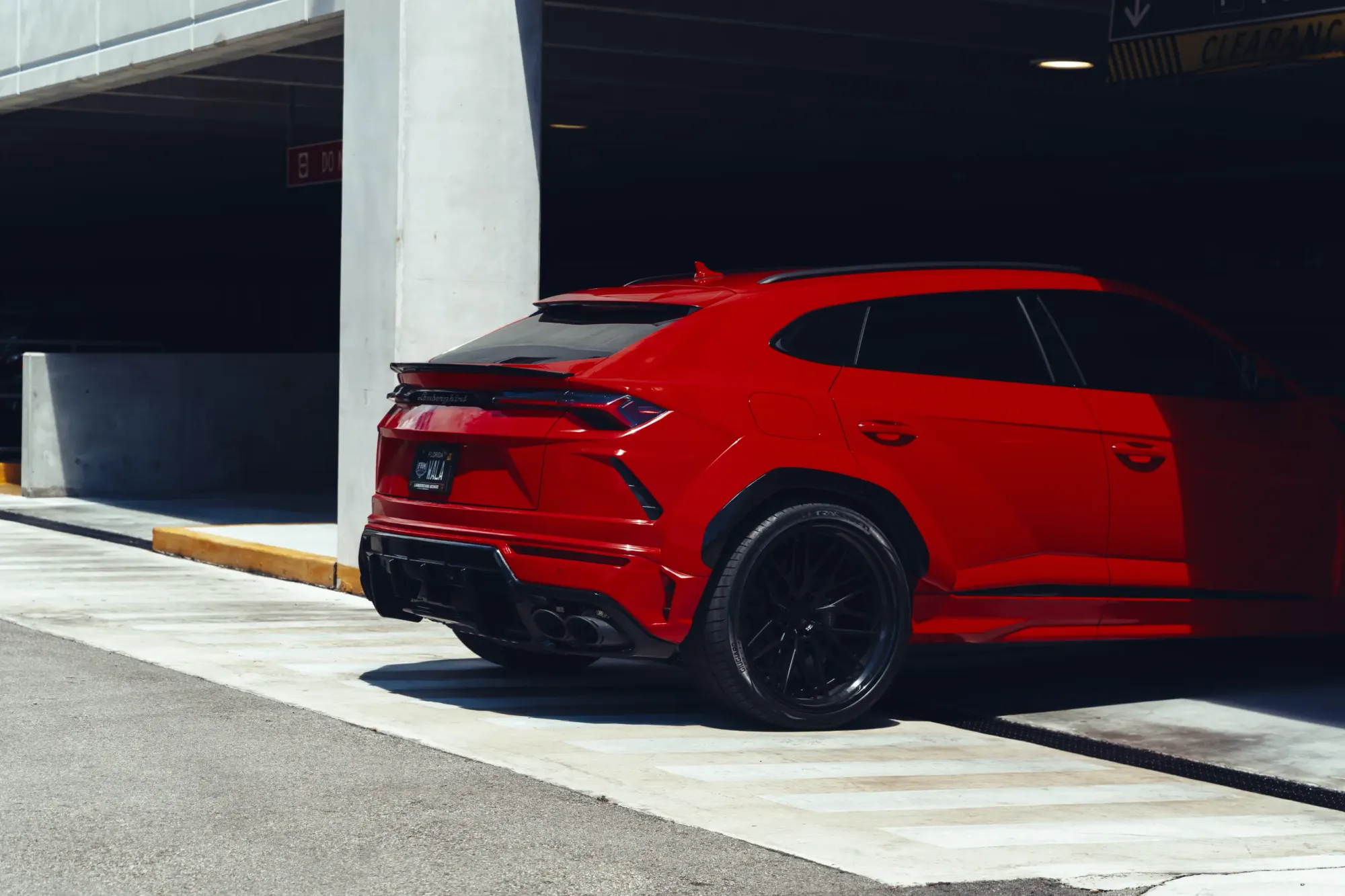
Photo: 1016 Industries. A Lamborghini Urus with 1016 Industries carbon bodywork.
1016 Industries will tell you to the dollar what a carbon rear diffuser for a McLaren 720S costs: $10,450. Its configurator won't tell you what that part weighs or how much downforce it makes. So here are the company's best-documented builds, what each kit replaces, which numbers have actually been published, and what carbon bodywork can and can't do for a car. For who 1016 is and how buying works, see our company profile.
McLaren 720S: the full reskin
The 720S has 1016's deepest catalog. The standard kit lists 17 parts, among them a $9,250 front lip, $7,850 side skirts, a $9,850 fender set, a $9,850 race hood, an $8,350 rear wing and a rear engine vent and hatch. The Vision widebody is sold as a package: $92,500 with partially exposed carbon or $135,950 fully exposed, plus $26,250 for full carbon doors and $17,350 for a V2 fixed-wing aero package.
The weight numbers depend on which car you read about. In 2021, 1016 said its exposed-carbon 720S weighed 268 lb (122 kg) less than stock, which Motor1 worked out to nearly 9 percent of a 3,128-lb car. Motor Authority's 2022 report on the Jay Leno's Garage car gave 400 lb, with 75 lb from the doors, and HotCars reported 420 lb. Motor1 credited its figure to 1016, and HotCars didn't say how its number was measured, so read all three as company claims.
The Leno car is also the most candid about aero. Motor Authority reported that CFD work led to a roof scoop that doesn't feed the engine but does cut wind noise. The fixed rear wing makes real downforce, but it needed a software workaround because McLaren's movable wing is tied to the suspension and transmission. The wheels stayed aluminum. Northrop judged carbon wheels not worth the extra cost and said metal handles loads better and rides more comfortably.
Lamborghini Urus: the volume seller
On the Urus, the job is widening an SUV. The 2020 widebody added 87 mm at the front and 100 mm at the rear in fiberglass, carbon or forged carbon, finished satin or gloss, according to The Drive. Lambocars reported that it bolted on at the original factory mounting points.
The base-Urus page lists 20 line items, including separate rear diffusers for cars with and without the trailer package, two race hoods at $9,800 and $11,950, and a $19,450 Vision widebody. The 2023 Vision 2.0 update for the Urus S and Performante installs without cutting the factory bodywork, and the Performante kit started at $31,225 in carbon fiber, Carscoops reported.
Lamborghini Revuelto: the big-ticket program
The Revuelto program has 15 parts in carbon fiber, forged carbon or FRP. They include lips, DRL surrounds, an $11,550 race hood, vented fenders, side skirts, a $13,650 rear diffuser, active and fixed race spoilers, a roof scoop with a fin, and a Vision widebody upgrade listed at $31,950. Carscoops reported that the parts are reversible and that none require changes to the standard body.
Huracán and Aventador: where Lamborghini got there first
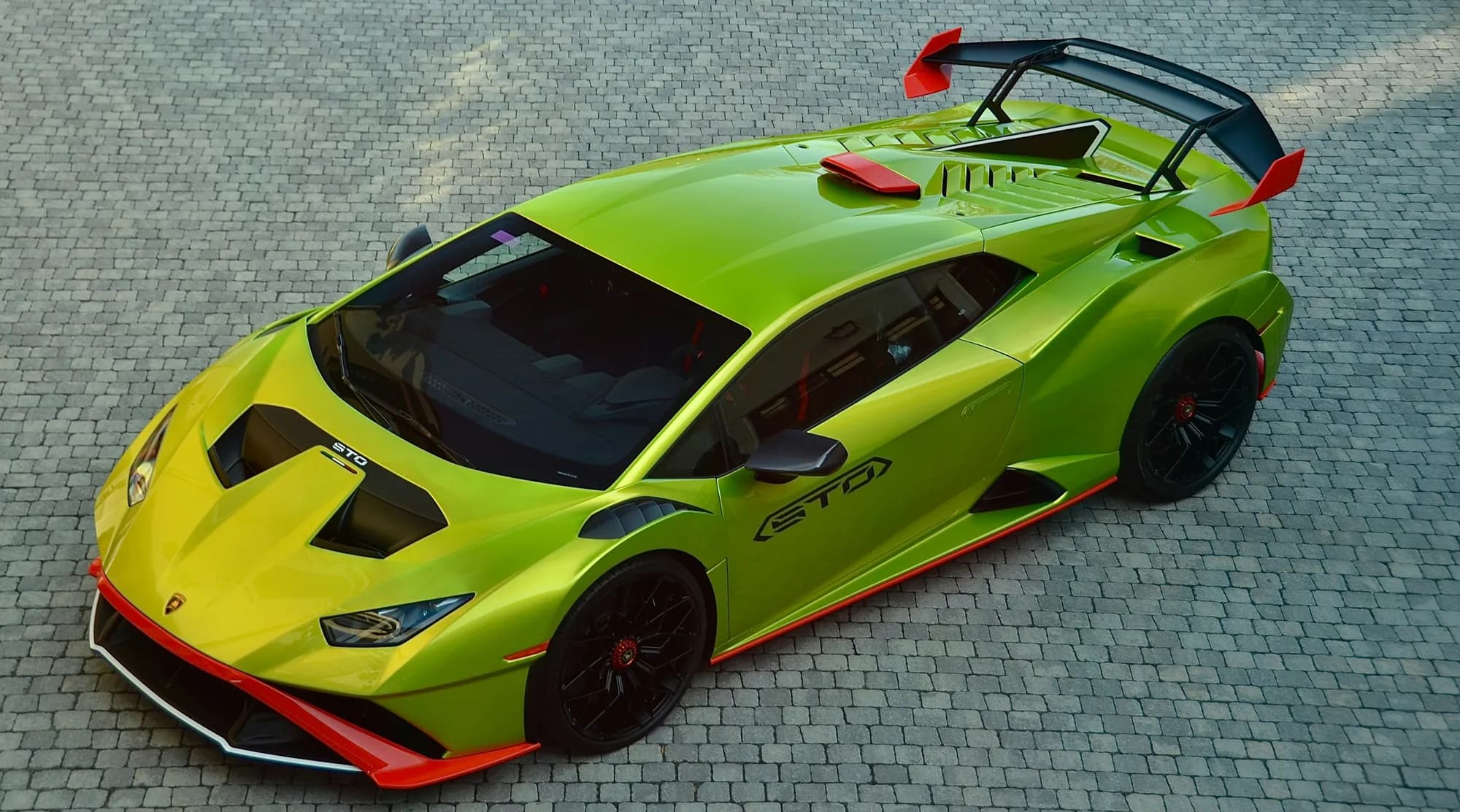
The Huracán Performante page lists nine parts, from $2,300 rear diffuser caps to a $9,850 front lip and a fender set at the same price. Forged carbon isn't an aftermarket invention here. Lamborghini made the Performante's front and rear spoilers entirely from Forged Composites, a shapeable forged carbon material it patented, according to its Performante history page.
Single-part savings are modest. On 1016's forged-carbon Huracán EVO, which Hypebeast covered in April 2020, MotorBox reported a hood 3.6 kg lighter than the original and front fenders 5 kg lighter, without saying whether that was per fender or per pair.
The Aventador SVJ gets just two parts: an $8,650 race hood and a $13,250 roof scoop, per its configurator page. The car already arrives with a carbon monocoque and active aero, as our SVJ explainer details.
What carbon changes, and what it doesn't
Weight. Real, and it scales with the number of panels. A full reskin is where 1016's hundreds-of-pounds claims for the 720S live. A single hood was worth 3.6 kg on the EVO.
Stiffness. Not what you're buying. Lamborghini credits the SVJ's carbon monocoque with "unprecedented rigidity" on its SVJ history page. 1016's parts mount where the factory panels did, using factory mounting points on the Urus and requiring no body modifications on the Revuelto. They change the skin, not the structure.
Aero. Mostly unquantified. The configurator publishes no downforce figures, and 1016's warranty disclaims any representations about horsepower, engine performance or fuel efficiency. At least one 720S part, the roof scoop, doesn't feed the engine at all; its benefit, Motor Authority reported, is less wind noise. A fixed wing can work, but on a car with factory active aero it may need software to get along.
Repair cost. Plan on replacement. Trade coverage in CompositesWorld says damaged carbon hoods, fenders and doors on high-end cars are generally removed and replaced. FenderBender notes that once the fibers are torn, a repair patch would show. The 1016 warranty excludes third-party impacts, so a curbed $9,250 lip is a $9,250 problem. It is the same math behind most supercar repair bills.
Value. Unquantified, so protect it. None of these sources puts a number on what a kit does to resale. What you control is reversibility, so keep the factory panels. Remember, too, that 1016's warranty says installation may void manufacturer warranties, all sales are final and racetrack use isn't covered.
Carbon makes a supercar lighter and harder to ignore. It doesn't make the car stiffer, and it rarely makes it cheaper to own.
Sourcing: 1016 Industries' configurator and warranty, Lamborghini's model-history pages, and reporting by Motor1, Motor Authority, HotCars, The Drive, Lambocars, Carscoops, Hypebeast, MotorBox, CompositesWorld and FenderBender. Weight figures are 1016's claims as reported; prices are configurator listings as of October 2026.