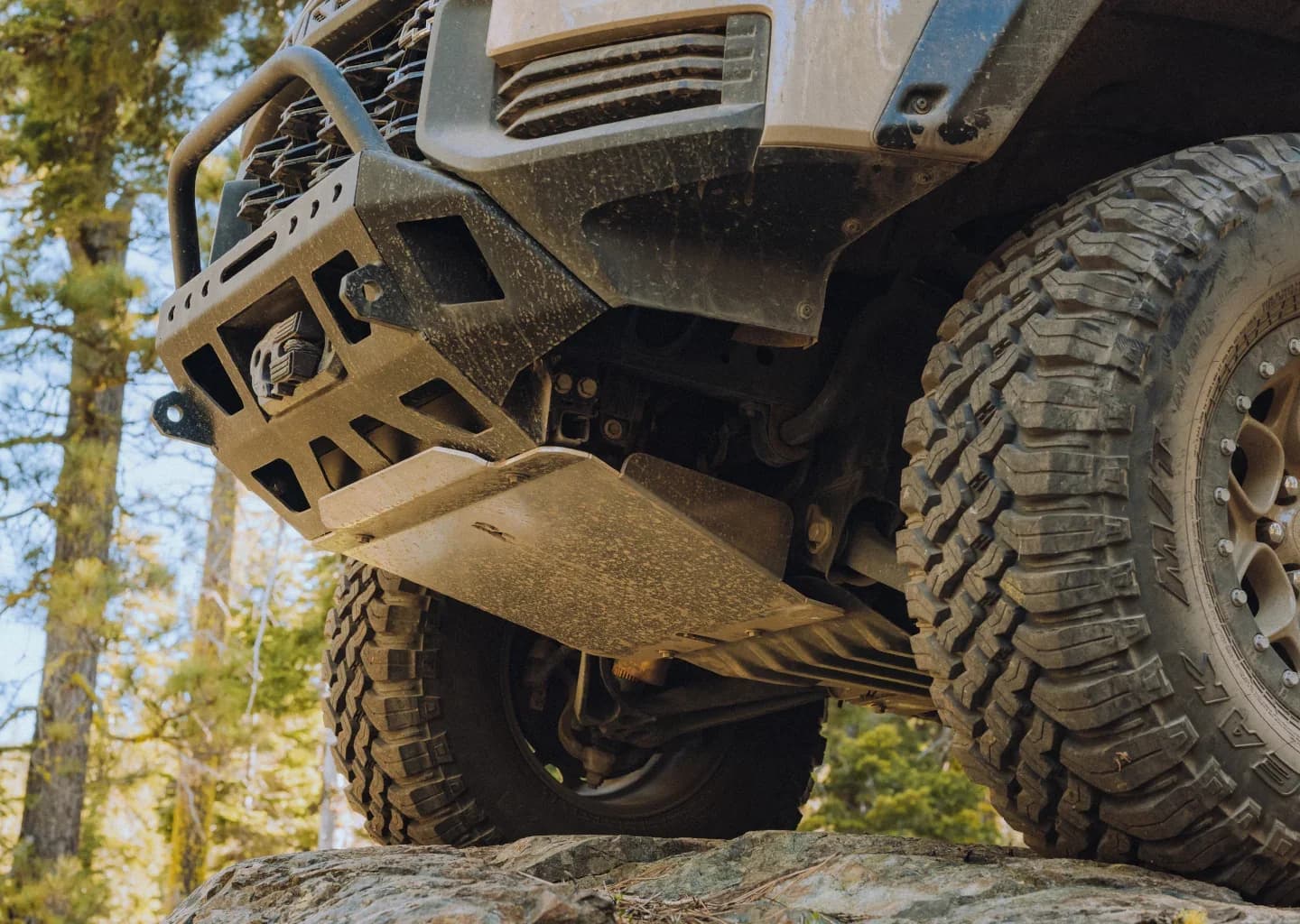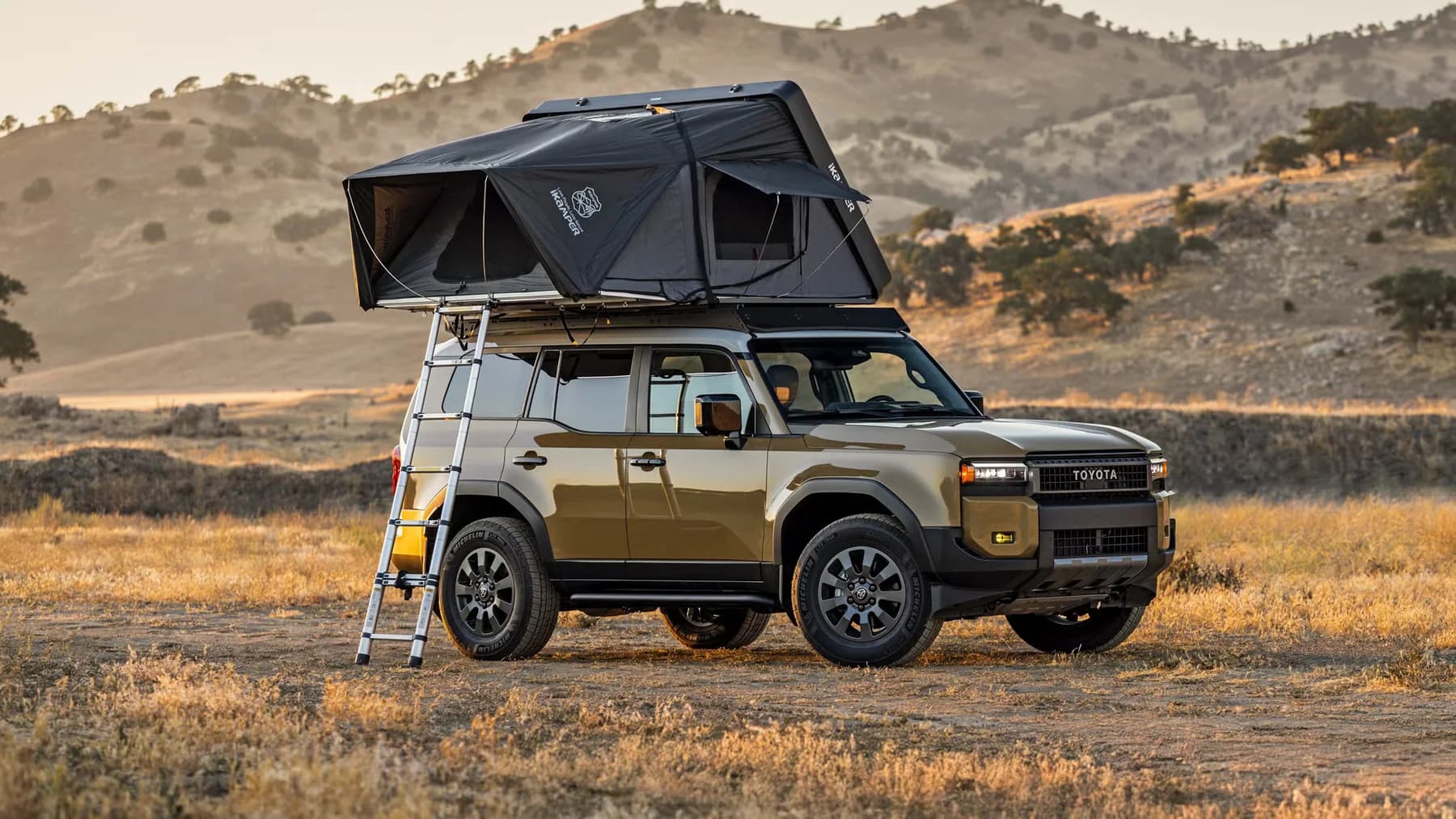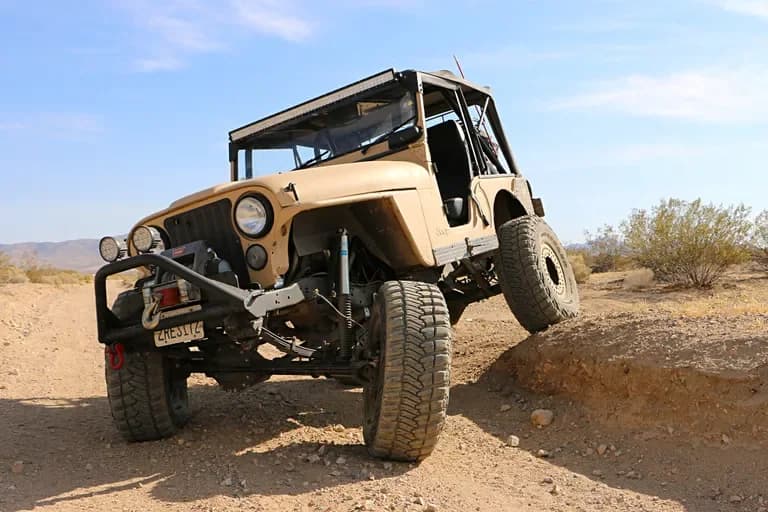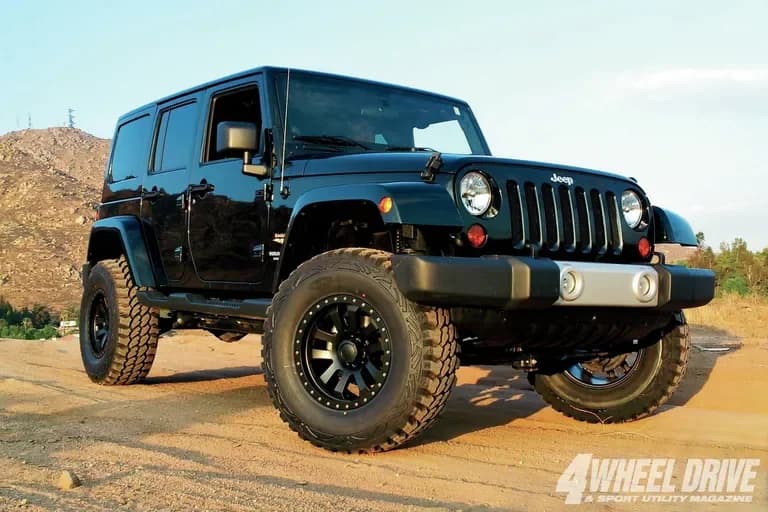
Bigger tires are the most satisfying purchase in off-road and the most expensive one, because the price on the receipt is roughly half of what they end up costing. A 35 is taller, heavier, and wider than what the factory engineered around, and the truck starts filing complaints in a predictable sequence.
Here is the order it usually happens in.
Week one: your gearing
Nothing breaks yet, it just gets worse. Taller tires raise the effective final drive, so first gear crawls slower and higher gears feel long. Automatics hunt on grades, the torque converter works overtime, and transmission fluid runs hotter than it should on a long climb.
Your speedometer also lies, which means your odometer lies, which means your maintenance intervals are wrong. Fix that with a programmer before you convince yourself the truck is fine.
Week three: front end wear parts
Bigger tires are a longer lever on every joint in the steering and suspension. Ball joints, unit bearings, and tie rod ends were sized for a 31 or 32 and now carry a heavier wheel with more leverage.
Watch for a click when turning at low speed, a wandering feel on the highway, or uneven inner shoulder wear. Grab the tire at 12 and 6 and shake. If there is play, it was already going, and the tires just moved the date up.
Month two: steering
On a solid axle rig this is where death wobble shows up. It is not the tires themselves, it is the tires exposing worn track bar bushings, a loose steering box, or bad caster after a lift.
The tell is that it only happens over a specific bump at a specific speed and then goes away when you slow down. Do not throw a steering stabilizer at it. A stabilizer masks the symptom and lets the real problem keep wearing.
Month four: U-joints and the weakest axle shaft
The rear Dana 35 under a lot of cheap Jeeps did not sign up for 35s, lockers, and a heavy right foot. Neither did stock front axle shafts on most platforms. Add sticky rubber and a locker and the shaft becomes the fuse in the circuit.
Failure sounds like a bang followed by no drive. It happens at the exact moment of maximum load, which is usually mid obstacle with people watching.
Month six: brakes
You added rotating mass and increased the rolling radius, which reduces the mechanical advantage of the brakes you already had. Stopping distance goes up, pedal feel goes soft on long descents, and hot brakes on a mountain grade with a loaded roof rack is a genuinely bad situation.
Nobody upgrades brakes when they buy tires. Everybody should at least fit better pads and fluid with a higher boiling point.
Every fill-up after that: fuel, and the rubbing you pretend is fine
Heavier tires plus wrong gearing plus a taller profile equals fuel economy that hurts. Losing two to four mpg after fitting 35s to a mid-size truck is normal. Add a roof rack and it gets worse in a way you feel on every highway trip.
The rubbing is the other tax. Wheel backspacing pushes the tire outward into the fender and the control arms at full stuff and full lock. You will trim, or you will cut, or you will listen to it rub every time you turn into a driveway and tell yourself it is character.
What to do about all of it
Go one size, not three. A 33 on most platforms fits with minimal drama, keeps you close to factory gearing, and is a tire size where you can still buy a decent set without financing them.
If you want 35s, budget the tires, gears, and at least a round of front end wear parts as one purchase, because that is what it actually is. Doing it in stages is fine. Pretending stages two and three are optional is how people end up parked on a shoulder with a bent tie rod and a lesson.