Overlanding is camping with extra steps and a payment plan. That is not an insult. Camping is great. The problem is that a hobby about going places quietly turned into a hobby about buying things loudly, and the gear got so far ahead of the trips that people now own $30,000 of equipment they use four weekends a year.
The math of the roof tent
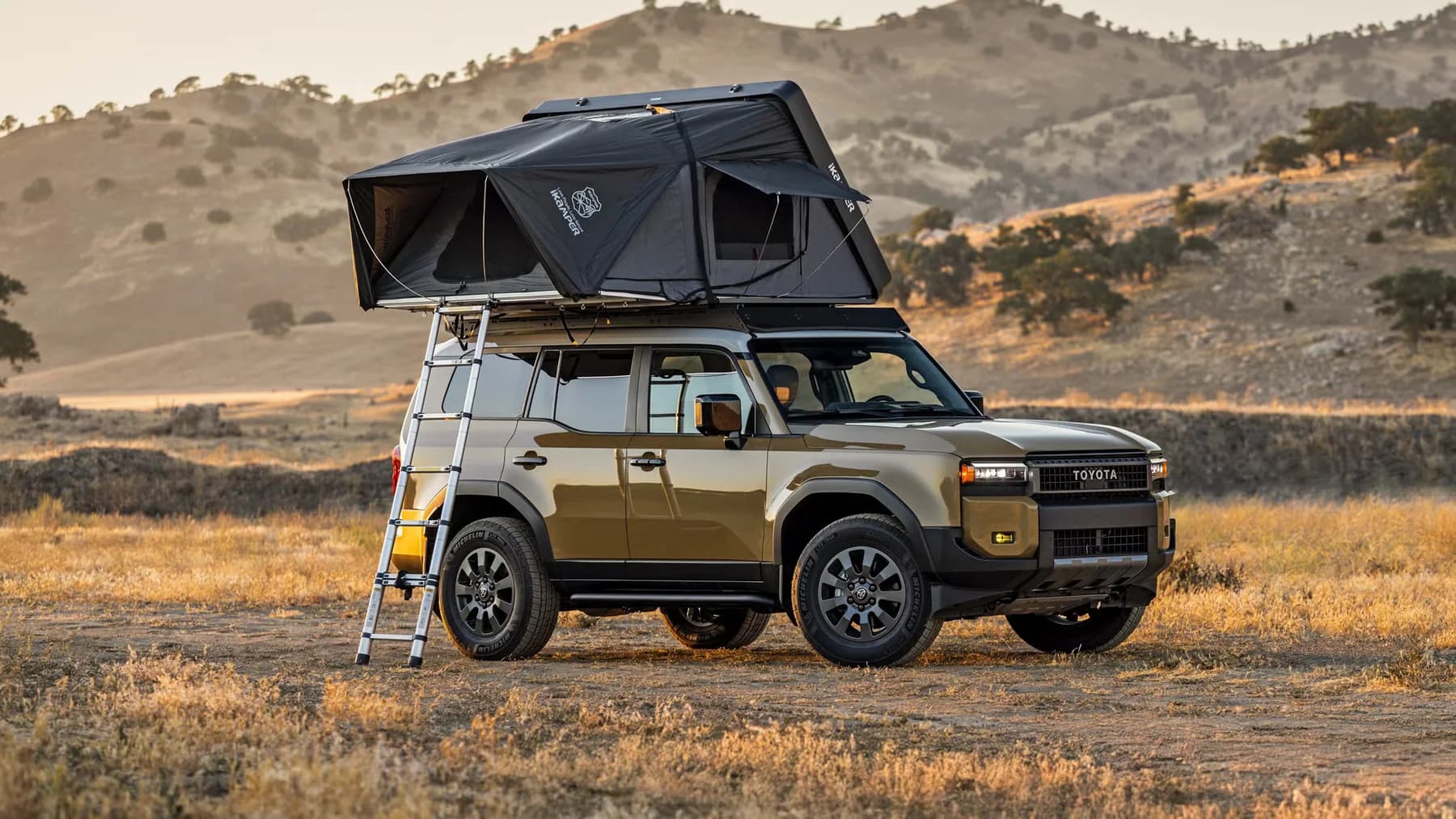
Start with the object at the center of the whole aesthetic. A rooftop tent puts 130 to 200 pounds of dead weight at the highest point of a vehicle that already had a high center of gravity.
You lose fuel economy from the drag. You raise the roll axis on off-camber terrain, which is exactly where you least want it. You add a five-minute setup ritual to every stop, which means you stop less often and see fewer places. And you sleep four feet off the ground in a fabric box that costs more than a used motorcycle.
A ground tent is $200, weighs nothing, and lets you keep the truck packed. The roof tent wins on wet ground, sloped sites, and areas with real wildlife concerns. Everywhere else it is jewelry.
The build order is backwards
The standard progression is bumper, then winch, then rack, then drawers, then tent, then a fridge, then finally a trip. That is exactly inverted.
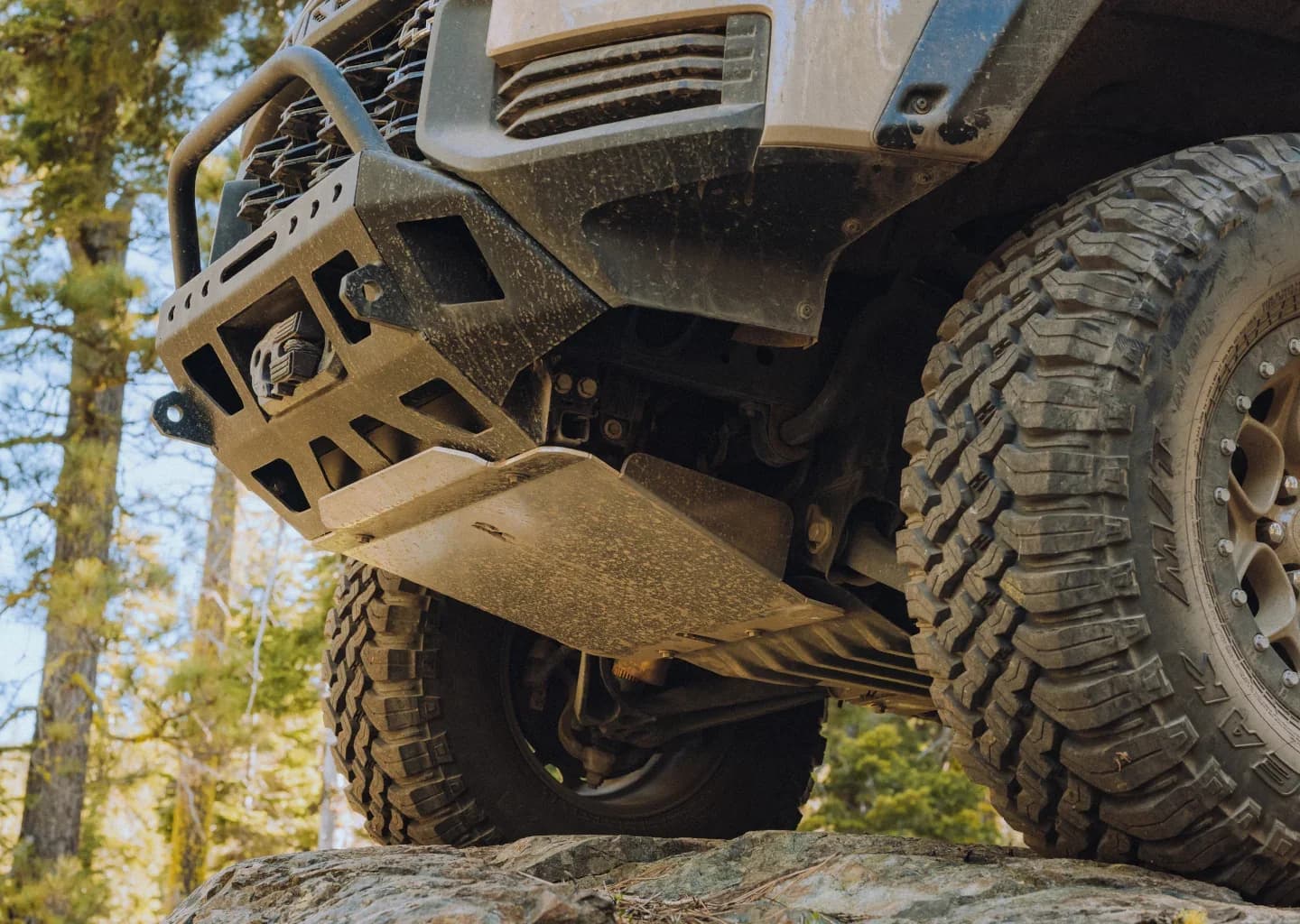
A steel front bumper with a winch adds serious weight to the front axle, which sags the springs, which means new springs, which means a lift, which means gears. One decorative purchase cascades into four structural ones. Meanwhile the actual limiting factor on the last five trips was tire pressure and daylight.
Go on the trip in the truck you have. Come home with a list of what actually annoyed you. That list is your build sheet, and it will be shorter and stranger than the one on Instagram.
What the scene gets right
The good part of overlanding is genuinely good, and it deserves saying. It got a generation of people to drive to places they would otherwise have flown over. It pulled in people who never would have joined a rock crawling club. It made self-recovery, navigation, and vehicle maintenance normal skills again instead of specialist trivia.
It also produced the best-organized trail stewardship culture in the hobby. Overlanders pick up trash, they file trip reports, they fund trail advocacy. Rock crawlers get blamed for trail closures. Overlanders quietly keep some of those trails open.
The etiquette part that actually matters
Public land access is the real currency here, and it is finite. Every closed route was closed because of documented damage, and the documentation is usually photos of tire tracks going somewhere they should not have.
The rules are not complicated. Stay on the trail even when the trail is a mud hole, because going around it is how a two-track becomes a fifty-foot scar. Uphill traffic has the right of way. Camp on durable surfaces and on existing sites. Pack out what you brought, including the parts of the truck that fall off.
Tread Lightly built its whole framework around this and it is worth ten minutes of your time. Not because it is noble, but because the alternative is a gate and a sign.
The part nobody wants to hear
The most interesting overland trips are the ones being run in unremarkable vehicles. Stock 4Runners with a fridge and a plan. Twenty-year-old Land Cruisers with 300,000 miles. Sedans, occasionally, on graded forest roads that never needed 4WD at all.
Meanwhile the fully kitted rigs with the awnings and the drawers and the traction boards mounted where everyone can see them mostly drive to a campground with cell service, take photos, and drive home.
The take
Nobody has ever been on their deathbed wishing they had bought a nicer drawer system. Set a budget for the vehicle and a separate, larger budget for fuel and time off work, then spend the second one first. The gear you actually need reveals itself around trip four, and it is almost always cheaper and less photogenic than the thing you were about to order.