Nothing on the Baja peninsula cares how your truck looks. Not the silt beds, not the whoops, not the sixty miles of rock between one checkpoint and the next. The desert does not read build threads. It reads preparation, and it grades on a curve nobody controls.
A race that predates most of the rules
Desert racing down the peninsula goes back to the late 1960s, when people started timing runs from Tijuana toward La Paz because the road was terrible and the idea was funny. It hardened into the Mexican 1000, then into the SCORE Baja 1000, and it has been running in some form ever since.
The format is still deranged by modern motorsport standards. One course, roughly a thousand miles depending on the year and whether it runs a loop or the full peninsula. Motorcycles, buggies, trucks, and stock-class cars on the same course. No red flags for weather. Night sections where your world is the width of your light bar.
Trophy Trucks are the fastest thing on dirt, and they are not the point
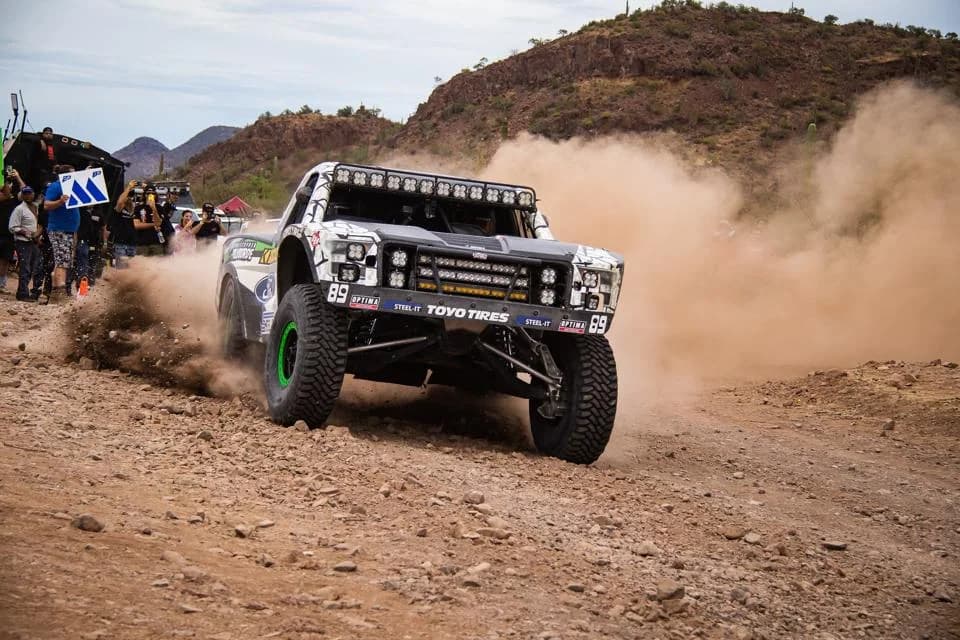
The unlimited trucks are absurd. Tube chassis, huge V8s, thirty inches of travel at each corner, bypass shocks the size of a fire extinguisher, and speeds well past 100 mph across terrain you would walk carefully. They are the most impressive purpose-built vehicles in motorsport and they cost more than a house.
Then there is Class 11: stock Volkswagen Beetles, engine limits, suspension essentially as the factory built it. They start early, they finish late, and a fair number of them finish. That class exists because Baja is not really about the fastest vehicle. It is about whether the thing you built survives.
Finishing is the actual trophy
The DNF rate is the story. In a normal year, a large share of the field simply does not make it to the end, and the finish rate varies enormously by class and by course.
That changes what winning means. A privateer team that gets a beaten pickup across the line at four in the morning has done something a lot of paid drivers did not do that weekend. Trophies get handed out. Finishes get remembered.
Prerunning is the sport within the sport
Weeks before the race, teams drive the course in dedicated prerunner trucks, mapping every silt bed, every washout, every place where the road disappears. Notes get made, GPS points get dropped, drivers memorize sections.
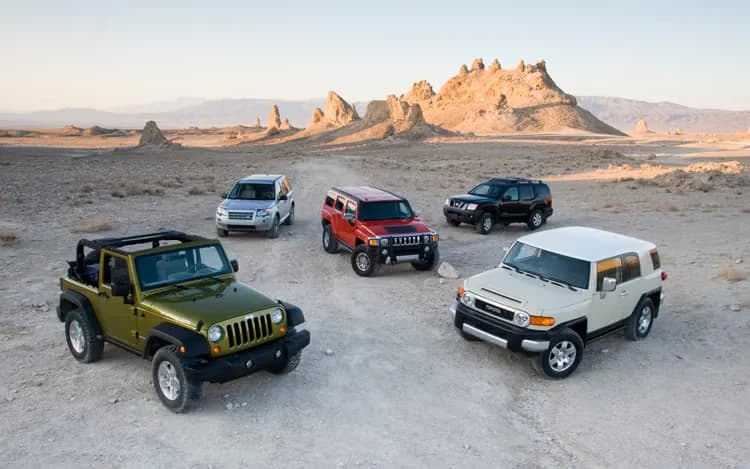
Prerunners became their own vehicle category and arguably their own culture. Long travel, comfortable enough to live in for days, fast enough to be genuinely dangerous. Half the desert truck aesthetic that filtered into street trucks came from prerunners, not from race trucks.
The peninsula is a participant
Spectators line remote sections in the middle of the night, sometimes miles from any road you would call a road. They bring fires, they bring food, they help stranded teams, and they occasionally modify jumps in ways that have caused serious crashes. It is a hazard everyone in the sport knows about and nobody has solved.
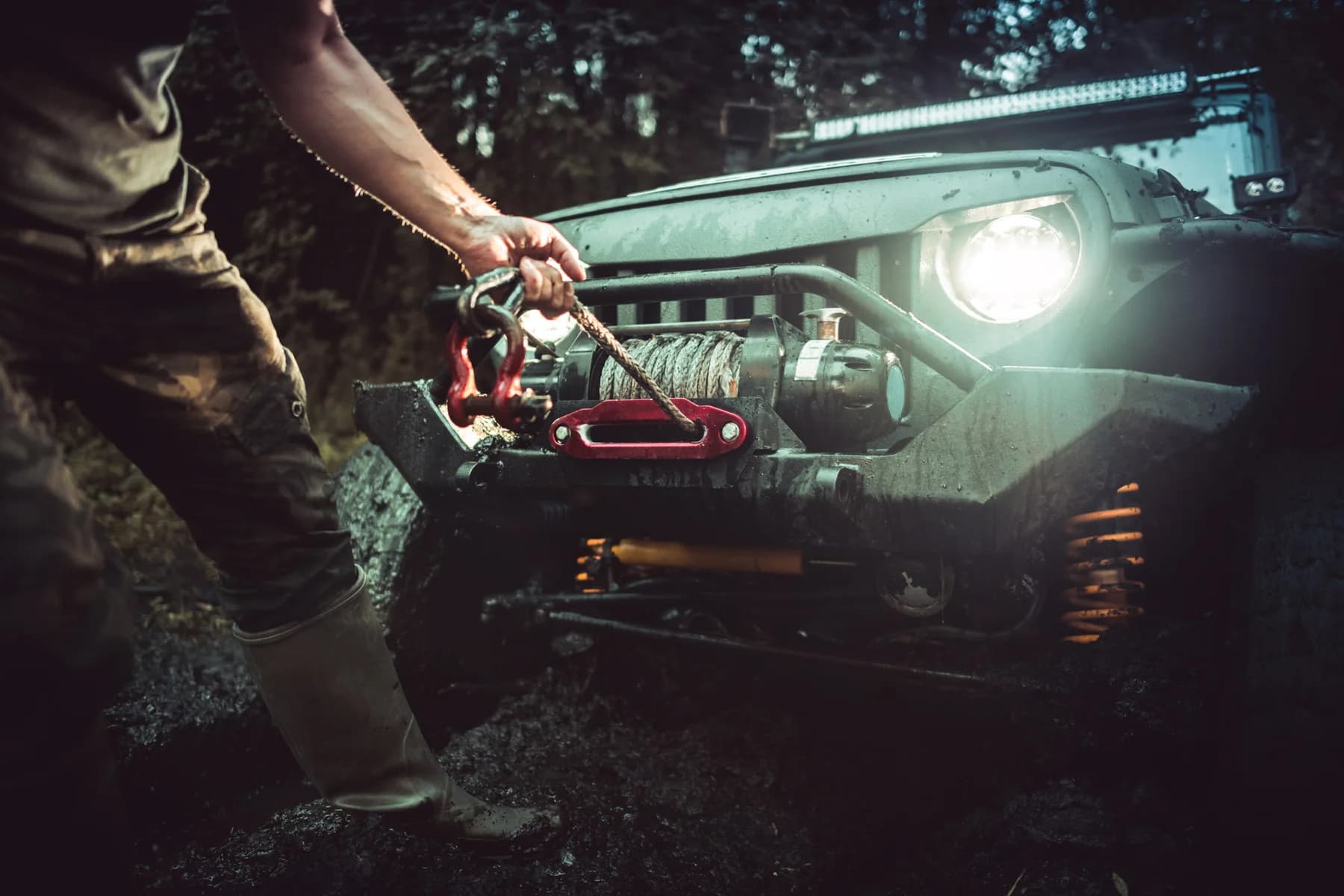
Local towns feed and fuel a race that runs through their front yards. Teams rely on strangers with a shovel and a tow strap. Rally-raid events elsewhere have the same DNA, but Baja is the version where the community and the course are impossible to separate.
What it should teach your build
Everything worth taking from desert racing is unglamorous. Redundancy over horsepower. Cooling capacity over peak numbers. Shocks that survive heat over shocks that look good. Fasteners checked and rechecked. A vehicle that can be fixed at night with what is in the bed.
Nobody in Baja is impressed by a truck that is fast for ten miles. The peninsula does not measure your best lap. It measures whether you are still moving at hour twenty-two, and the honest answer for most builds, including yours and mine, would be no.