Twelve grand is the sweet spot and the trap. It is enough money to buy a genuinely capable 4x4 with a solid front axle and a locker, and it is exactly enough money to buy somebody else's abandoned project with fresh paint over a rotten frame. The difference is what you check in the first ten minutes.
Prices move constantly and depend on region, rust, and history, so treat every range here as a rough market picture rather than a quote.
Under about $6k: the entry tier
This is XJ Cherokee money, high-mile ZJ money, and rough TJ money. The XJ is the classic answer for a reason: unibody, light, solid front axle, and the 4.0 straight six that will run indefinitely if you feed it coolant.
What to check on an XJ:
- Unibody rails behind the front wheels and the floor under the carpet. Rust here is structural, not cosmetic.
- Rear quarters above the wheel arch and the hatch corners.
- Cooling system health. The 4.0 is tough but overheating is how they die, and some head castings from the late 1990s have a documented cracking history.
- Rear axle. A Dana 35 is fine on 31s and a liability on 33s with a locker.
At this budget you are buying a project, so buy the cleanest body with the worst mechanicals rather than the reverse. Engines are cheap. Metalwork is not.
Roughly $10k to $16k: the good stuff
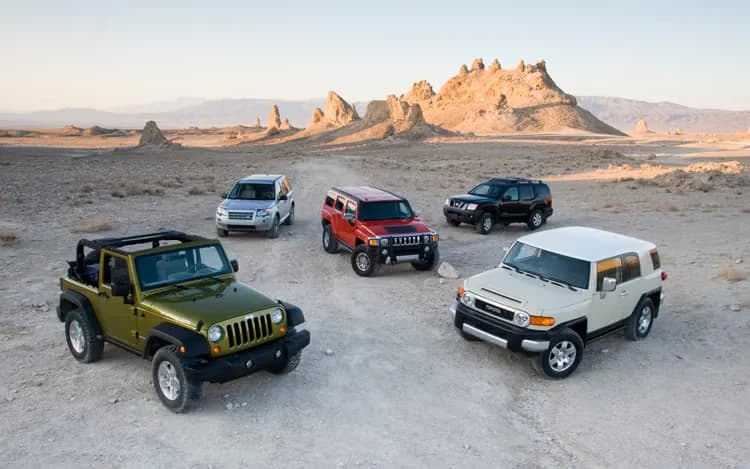
TJs and LJs, third and fourth generation 4Runners, earlier JKs, and if you are patient and flexible on mileage, an 80 Series Land Cruiser.
TJ. Coil sprung solid axles at both ends, short, light, and the easiest platform in the world to build. Check the frame at the rear control arm mounts and above the skid plate, because that is where they rot from the inside. Ask about death wobble and drive it at highway speed before you talk money.
80 Series Land Cruiser. Solid axles front and rear, coil sprung, and the 4.5 straight six is one of the great tough engines. Listen for a click on full lock, which points at birfield joints. Head gasket history matters on these. Rust in the rear quarters and rockers is common in salt states, and parts prices are higher than the Jeep world.
Third gen 4Runner. IFS front, solid rear, the 3.4 V6 with a timing belt that has a service interval you must verify. Frame rust is the killer, especially in the rear section. Lower ball joints have a documented history on this era of Toyota, so check for play.
JK Wrangler. Four doors, huge aftermarket. Early ones use the 3.8 V6, which is adequate and thirsty. From 2012 the 3.6 Pentastar is the better engine, with a known early cylinder head issue worth asking about. A Rubicon brings Dana 44s, factory selectable lockers, a 4:1 transfer case, and a disconnecting front sway bar, and it is worth stretching for.
$20k and up
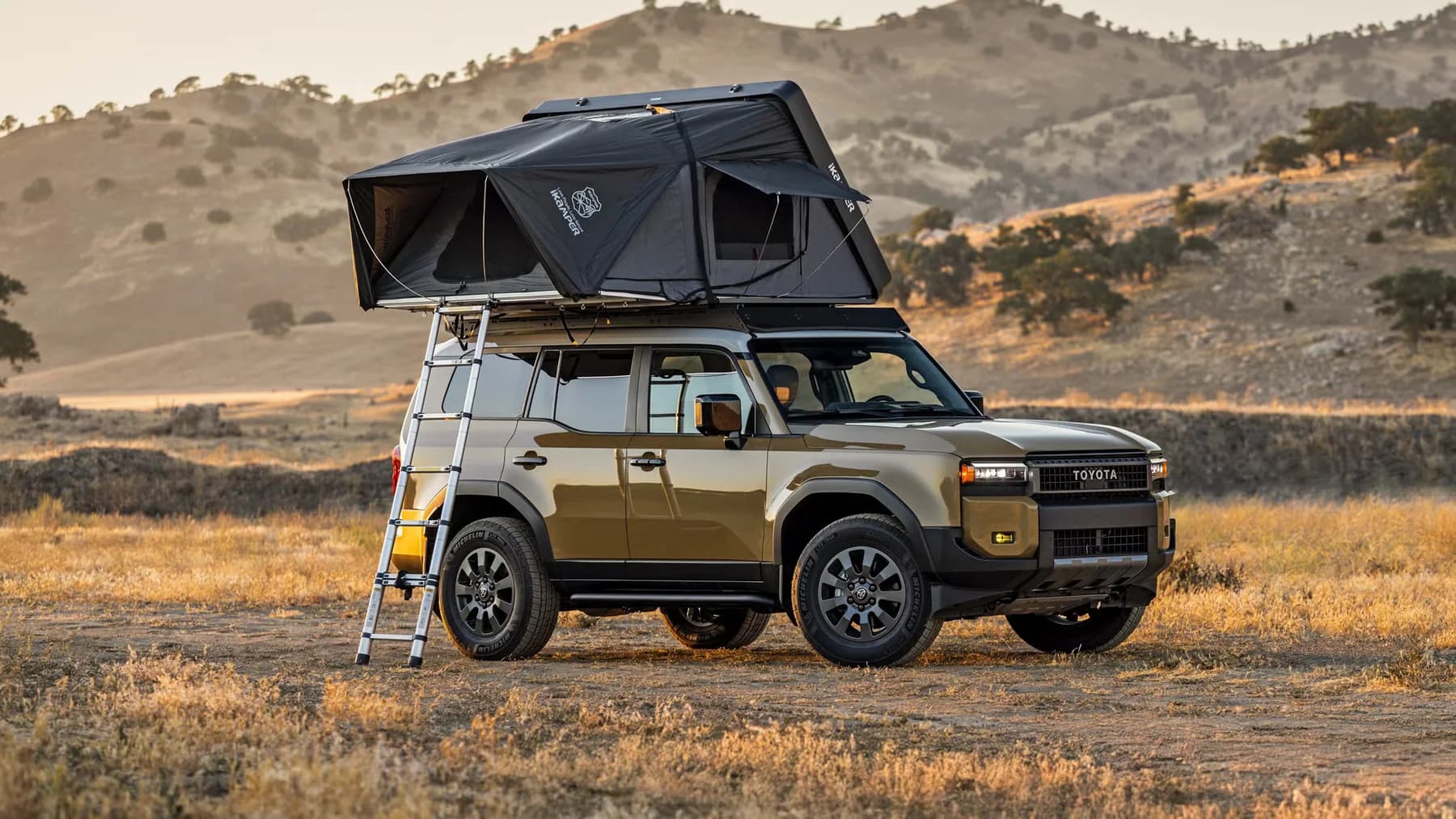
JK Rubicons in good condition, fifth generation 4Runners, 100 Series Cruisers, earlier JLs. At this level you are buying condition and factory capability rather than potential.
The 100 Series is the value play nobody talks about: the 4.7 V8 is durable, the interior is a nicer place to be than anything else here, and IFS makes it a far better highway and dirt-road vehicle than an 80. It is also heavy and thirsty and the aftermarket is thinner.
The universal checks
Get under it with a flashlight and a screwdriver. Tap the frame. Look for fresh undercoating, which hides more than it protects. Check the diff covers and transfer case for weeping, and pull the fluids if the seller allows it.
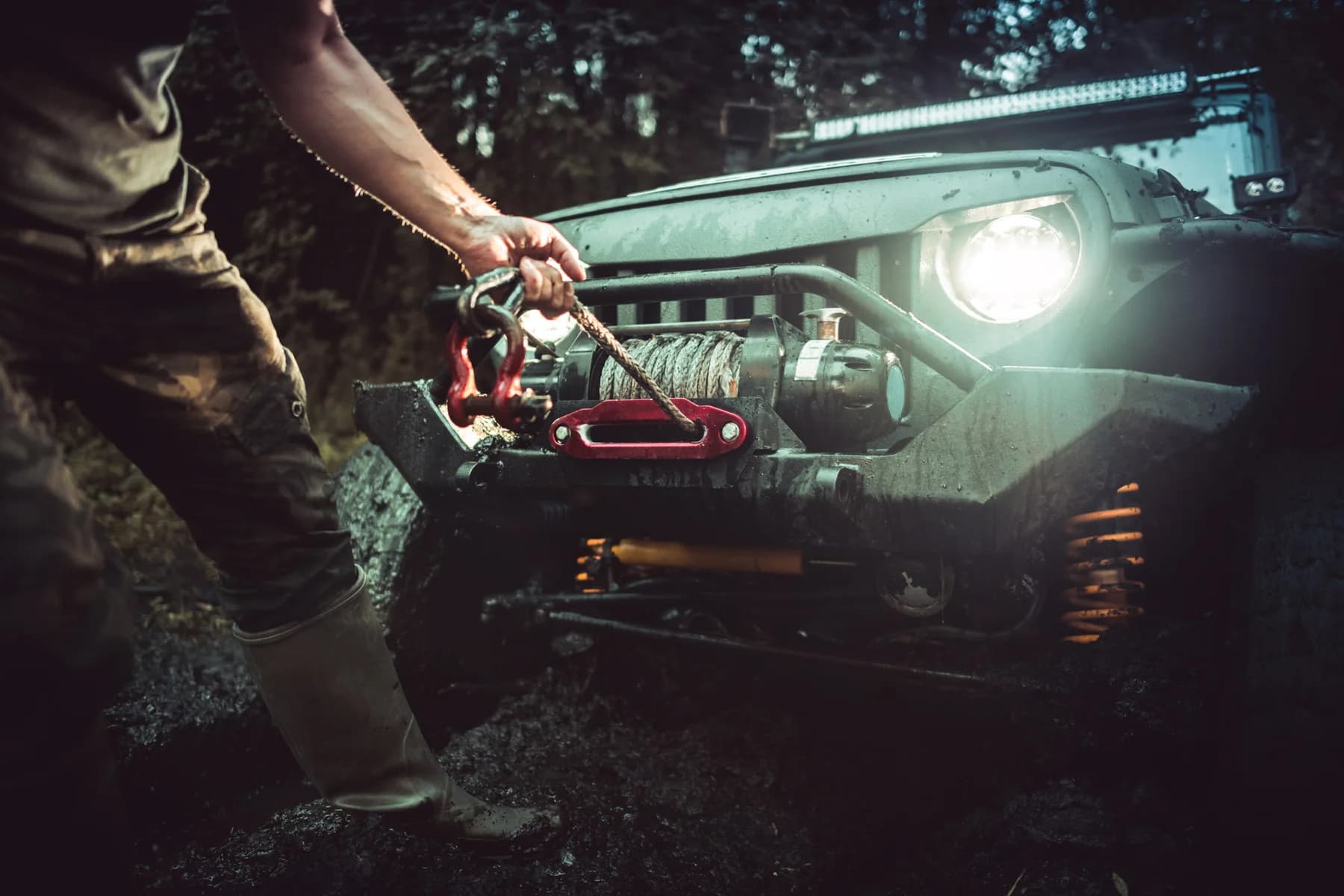
Then look at the modifications. A lift with stock control arms and no track bar correction tells you the previous owner did the fun half of the job. Cut fenders and a winch on a bumper bolted through sheet metal tell you more about the seller than any service record will.
The advice that saves the most money
Buy stock. A clean unmodified truck at the top of your budget beats a built one at the same price, every time, because you inherit the previous owner's decisions along with their hardware. And most people's decisions were made at 1am on a forum.