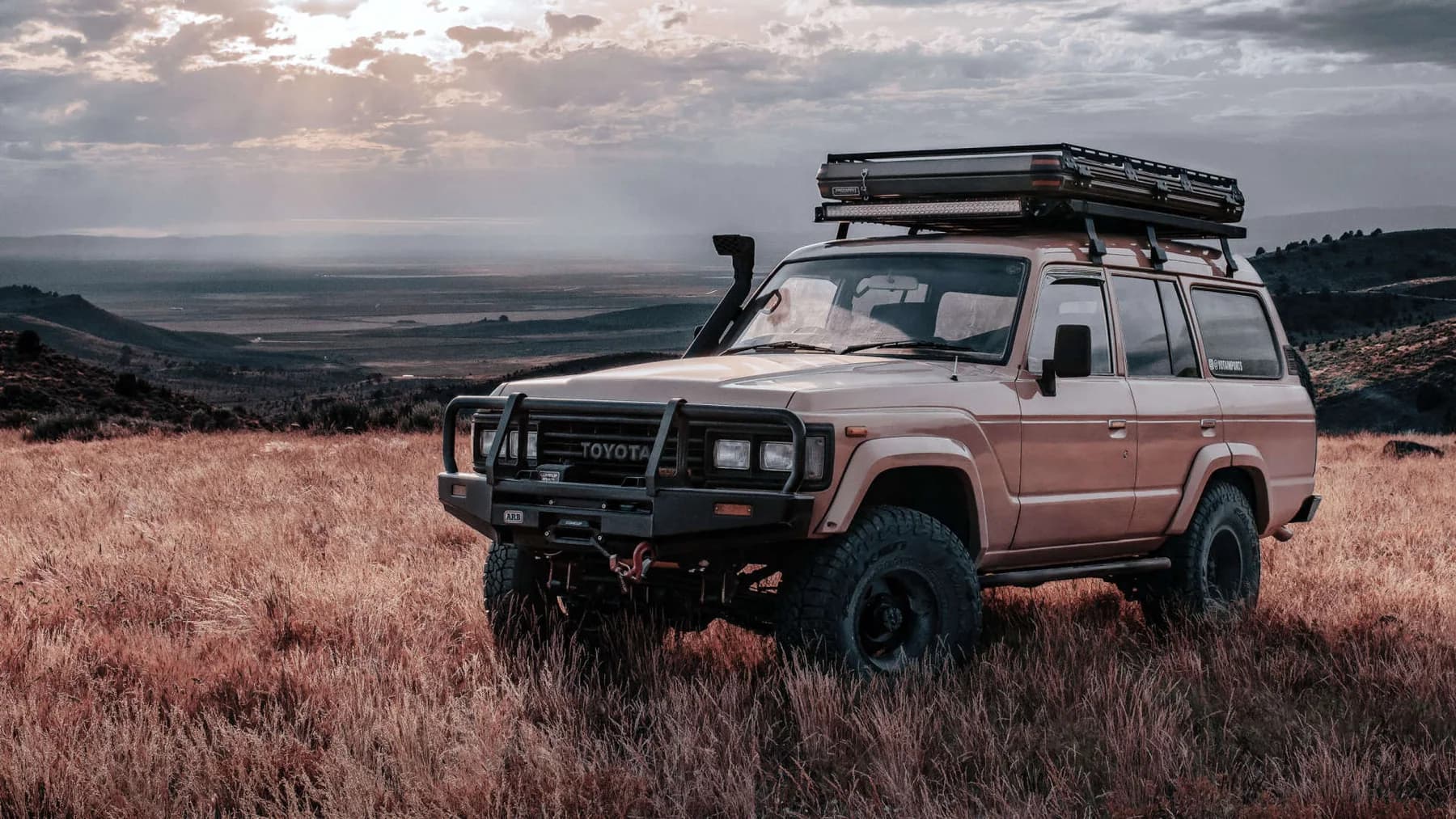
Two trucks, same money, opposite philosophies. The 80 Series with coil-sprung solid axles at both ends, and the 100 Series with independent front suspension that replaced it. Toyota did not get worse at building trucks between them. They changed which problem they were solving.
What a solid axle is actually good at
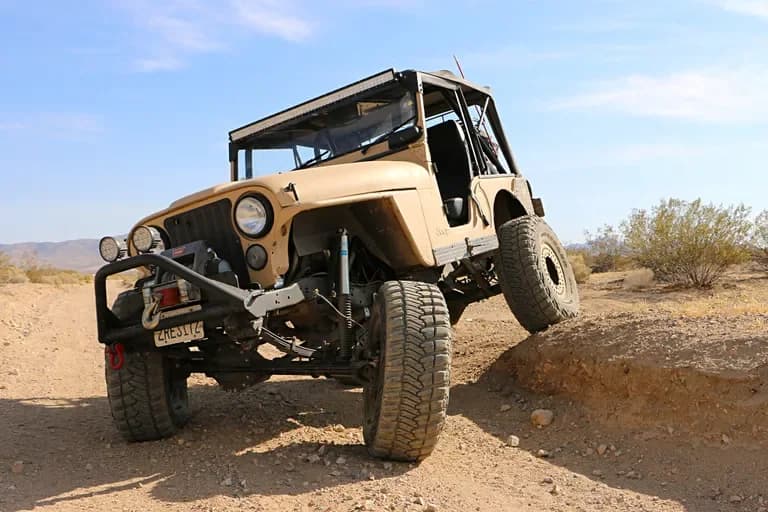
A beam axle keeps both tires square to the axle housing no matter what the terrain does. Stuff one tire up a rock and the other end drops, keeping weight on the ground instead of unloading into droop. That is articulation, and articulation is traction at three miles an hour.
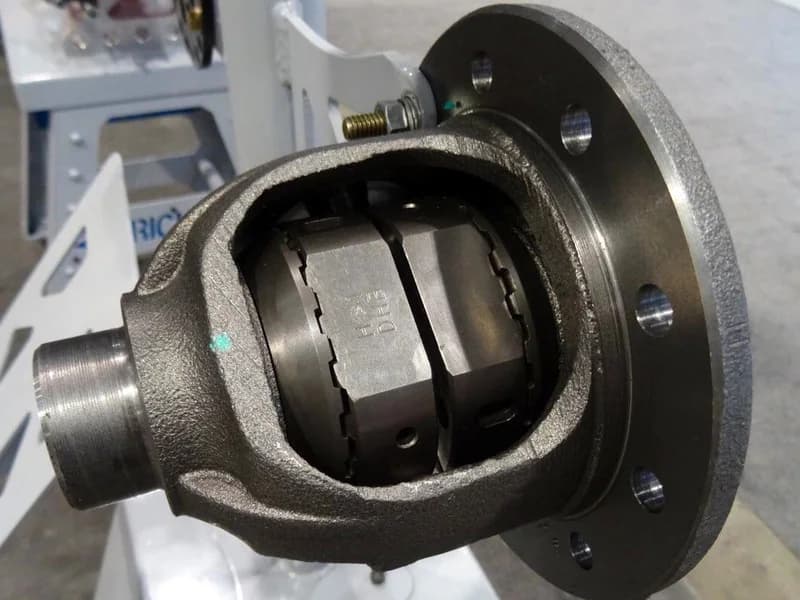
The housing is also the strongest cheap thing in the drivetrain. It is a tube with a lump in the middle. Bigger tires and lockers load it in ways engineers understood in the 1940s, and the aftermarket for high-steer arms, trusses, and 1-ton knuckles exists because the geometry is simple enough to modify in a garage.
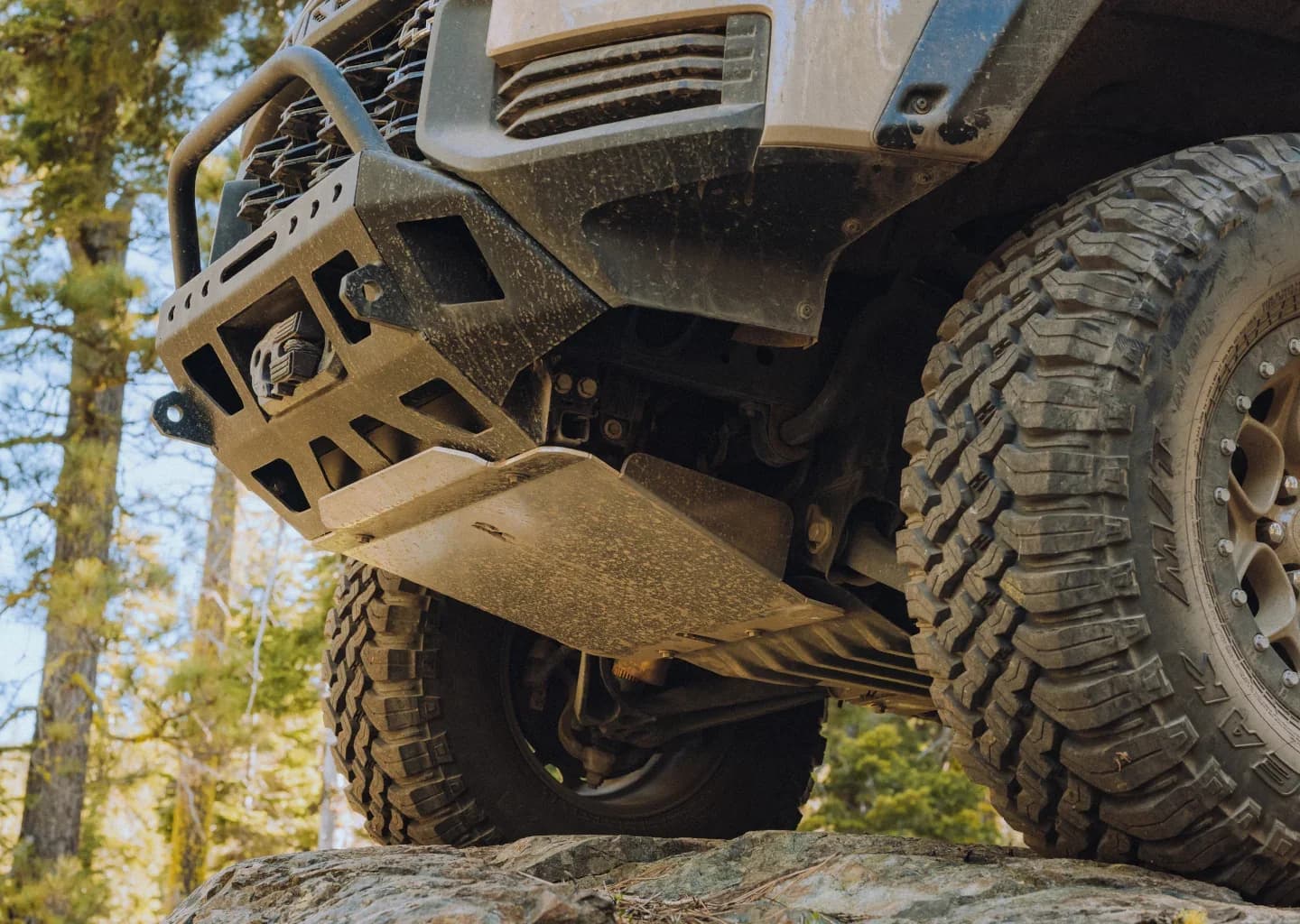
Ground clearance under a solid axle is fixed. The diff hangs where it hangs, and it hangs slightly off center, which is why hitting an obstacle with the pumpkin side is a different day than hitting it with the tube side.
What IFS is actually good at
Independent front suspension carries the differential on the frame and feeds power out through CV shafts. The center clearance improves, the unsprung weight drops hard, and each wheel reacts to bumps without telling the other one about it.
That last part is the whole game at speed. Hit a whoop with a beam axle and the impact is transmitted across the whole assembly, the steering fights back, and the front end starts hunting. Hit the same whoop with IFS and one side deals with it alone. This is why every serious high-speed desert truck built in the last two decades runs independent front suspension, including the Raptor and the Bronco.
Speed is the dividing line
Rock crawling rewards flex and simplicity. Desert running rewards wheel control, damping capacity, and the ability to keep the chassis calm at 60 mph over terrain that would fold a lesser truck.
Ask yourself honestly how you actually use the thing. If your weekends are ledges, shelf roads, and spotters, a solid front axle is the correct tool and every dollar of aftermarket support is on your side. If your weekends are graded washboard, sand, and open desert two-track where you want to carry speed for hours, IFS with good shocks is not a compromise, it is the right answer.
The maintenance tax on each
Solid front axles bring death wobble, which is not a design flaw so much as a symptom. It is worn track bar bushings, loose steering components, bad caster after a lift, or a combination, and it announces itself at 45 mph on a highway seam. People chase it with steering stabilizers, which is the automotive equivalent of taping over a warning light.
IFS brings its own bills. CV boots tear, upper and lower ball joints wear, and lifting an IFS truck badly puts the CV shafts at angles they hate, which is why long travel kits move the whole geometry rather than just cranking the torsion bars or stuffing in a spacer.
Cost of entry
A solid axle rig is cheaper to build capable. Lift, gears, lockers, and armor on a TJ or an XJ follow a well-worn path with parts on every shelf. The build is cheap, the ride is agricultural, and it will drink fuel and wander at highway speed.
An IFS truck is cheaper to live with and more expensive to make truly capable. Good shocks on a 4Runner or a Tacoma cost more than a whole budget lift on a Jeep, and there is a ceiling to what you can do up front without cutting.
The part nobody says out loud
Solid axle worship is mostly identity. Plenty of people bought a solid front axle for terrain they never drive, then complain about the highway manners on the 200-mile drive to the trailhead they visit three times a year.
Pick for the miles you actually cover. The most capable truck in the parking lot is the one whose owner will still drive it in November.