One tire spinning in the air is the entire reason your truck is stuck. Not clearance, not tire size, not the two inches of lift you have been pricing out. An open differential sends torque to the wheel with the least grip, and off-road there is always a wheel with no grip at all.
The problem in one sentence
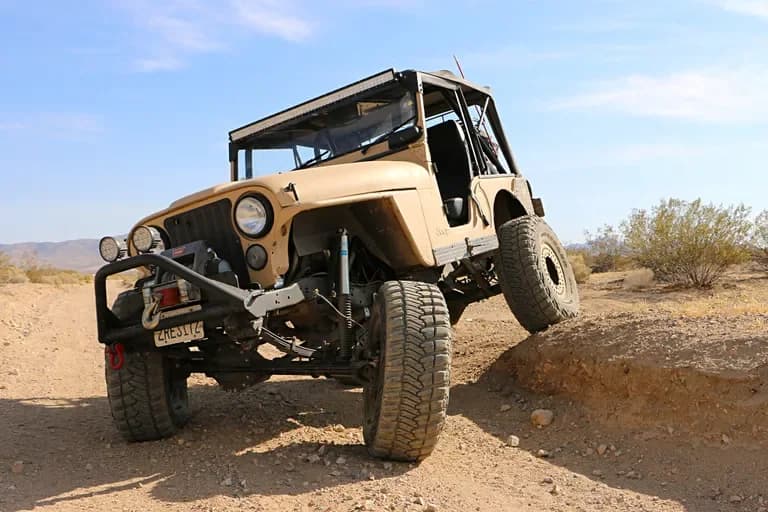
Lift a wheel on a rig with open diffs and that axle is done. The wheel in the air spins, the wheel on the ground does nothing, and you sit there with the throttle pinned making a noise. A limited-slip helps on dirt roads and sand where both tires still have load on them. Once a tire is fully unweighted, an LSD is a suggestion.
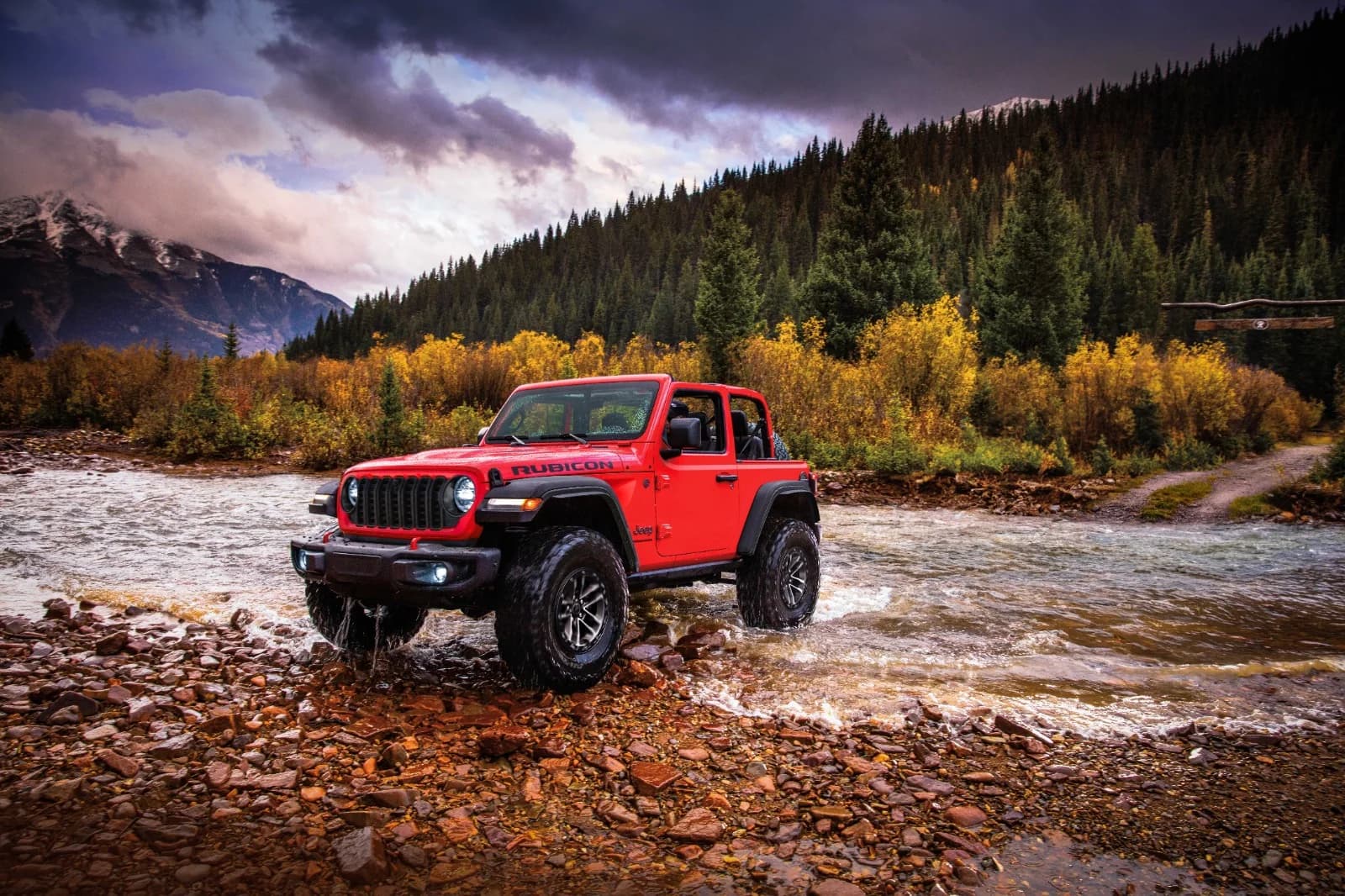
A locker removes the vote. Both shafts turn at the same speed, so the tire with grip gets torque whether the other one is on rock or pointing at the sky. That is why a stock Rubicon walks up obstacles that stop a lifted rig on 37s.
Automatic lockers
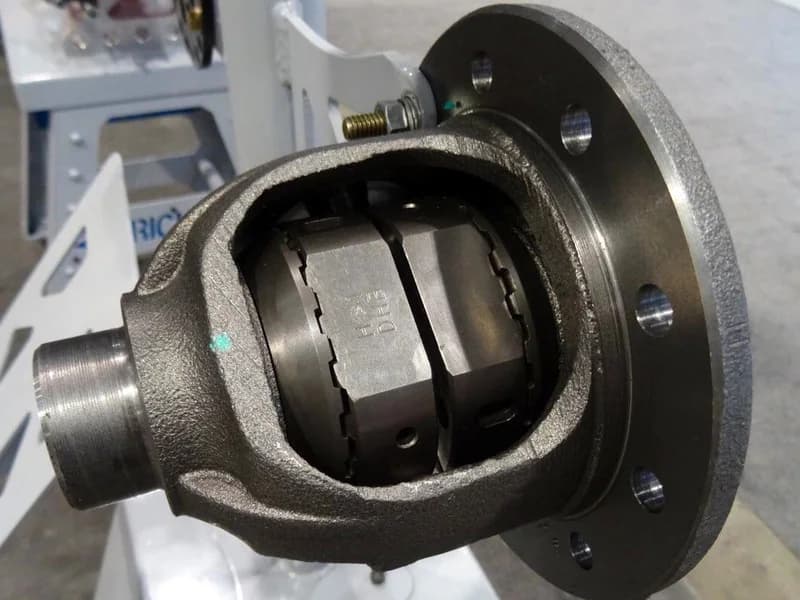
Detroit-style lockers and the cheaper drop-in units are always engaged until something forces them to unlock, usually the outside tire in a turn overrunning the axle. They ratchet, they bang, and on a light rear axle they will step the back end sideways on wet pavement if you are careless with the throttle.
They are also cheap, mechanical, and they never fail to lock at the worst moment because there is nothing to fail. A drop-in auto locker is a couple hundred dollars in parts and does not require a gear setup, which is why it is the classic broke-guy answer in an XJ or a TJ rear axle.
The trade is manners. You will feel it in every parking lot for the rest of the truck's life.
Selectable lockers
Air lockers and electric lockers stay open until you push a button. Open on the highway, open on gravel switchbacks, locked when you need it. The behavior is perfect and the install is not.
Expect the locker, a compressor or wiring harness, a full gear setup with a competent shop, and the labor to do it right. Realistically you are looking at four figures per axle by the time the pattern is set correctly, and a badly set up ring and pinion will whine at you until it grenades.
The upside is that you can leave a selectable in and forget about it. The downside is that people forget to use it, ride the loud pedal instead, and break parts they would have kept if they had pushed the button at the bottom of the hill.
Welding the spider gears
Welding a diff is the cheapest lock in existence and it works. It is also permanent, brutal on tires, and turns tight pavement turns into a chattering fight with the steering wheel.
For a dedicated trail truck that gets trailered or driven ten miles a week, a welded rear is a legitimate engineering choice, not a meme. For a daily driver in a place with rain and snow, it is a bad idea you will regret in the first wet roundabout. If a shop tells you welding is unsafe in all cases, they are selling you something. If a forum tells you it is fine on a commuter, so are they.
Rear first, front second
Rear locker first, always. It is cheaper, it does not affect steering, and it fixes the most common failure mode of unweighting the inside rear on a climb.
A front locker is the one that changes what the truck can climb, and it is also the one that will make it push straight ahead when you want to turn. Unlock it, steer, lock it, go. Front auto lockers on a daily driver are a much worse idea than rear auto lockers for exactly that reason.
Money, honestly
A rear drop-in auto locker is the best dollar-per-capability spend in off-road, full stop. A selectable in both axles is the correct long-term answer and costs more than most people's whole build budget once labor is counted.
Both of them beat a lift kit at any price. Lift buys you tire clearance. Lockers buy you the ability to use the tires you already own. Spend accordingly, and if the shop quote makes you flinch, remember you are buying the difference between wheeling and watching.