A motorcycle changes the scale of an ordinary journey. There is less separation between the rider and the weather, more attention paid to the surface, and a different relationship with the machine beneath you. That is part of the attraction. It is also why entering the scene should involve more than choosing a bike from a photograph.
The best introduction is one that leaves you wanting to ride again, with skills and habits you can keep developing.
Start with instruction, then choose the bike
The Motorcycle Safety Foundation's Basic RiderCourse combines preparation with practical riding exercises. Its program covers controls, straight-line riding, stopping, shifting and turning, then progresses into additional skills under a RiderCoach. Training motorcycles are provided. Licensing benefits vary, so check the course provider and your state's requirements. MSF Basic RiderCourse
A course gives a new rider something a specification sheet cannot: an informed starting point for deciding what feels manageable. Reach to the controls, the riding position and your confidence handling the motorcycle deserve attention before displacement or image.
MSF's own advice is to use beginner training to help assess the risks and rewards before purchasing. That makes sense for a person drawn to riding who has not yet discovered which part of it they enjoy. MSF's advice for prospective riders
Learn your particular machine
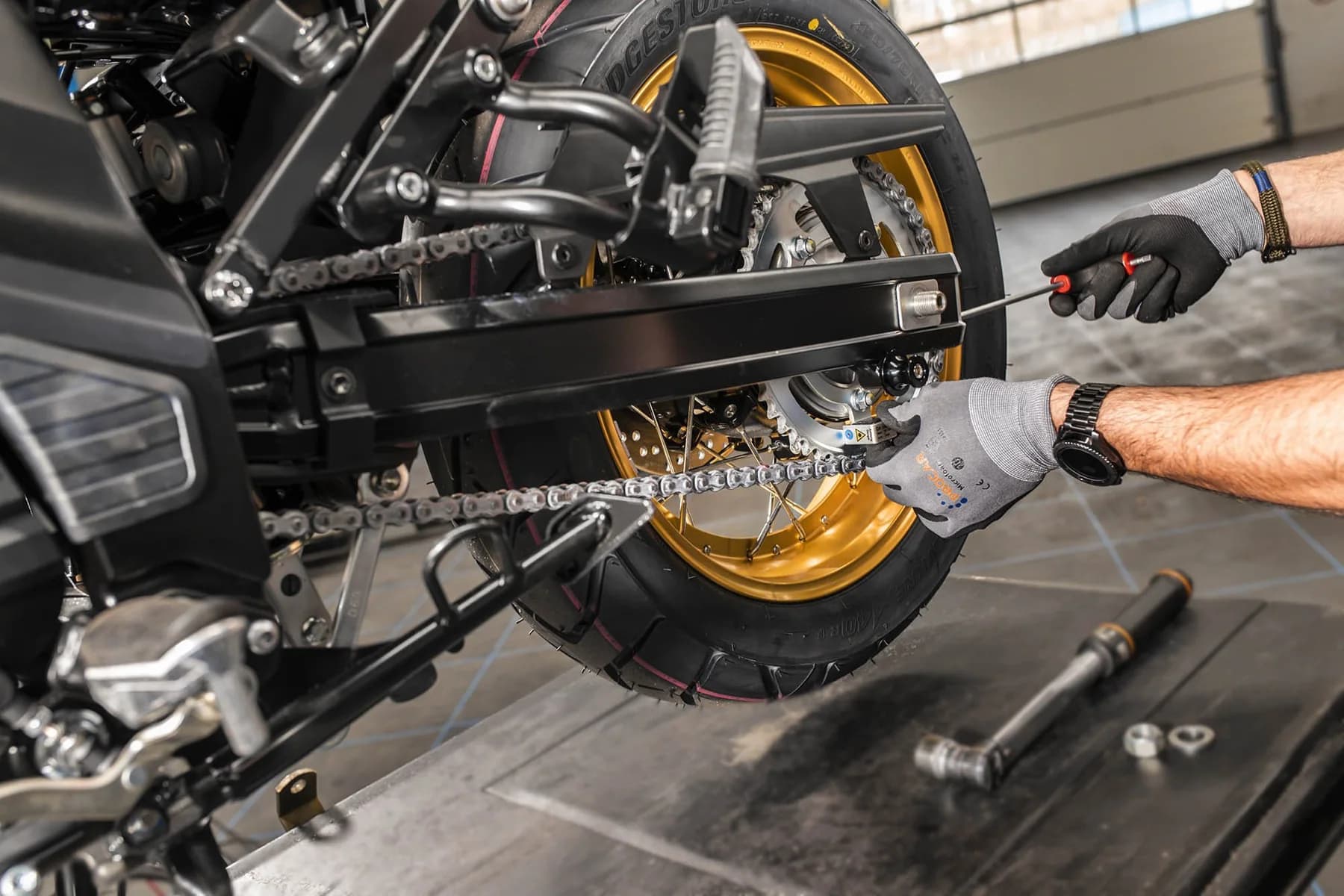
Keep the owner's manual available and use the correct maintenance guidance for the model. Do not transfer a chain adjustment, tire pressure or service interval from a similar-looking bike. If a task or condition is outside your knowledge, have a qualified technician explain or address it.
MSF organizes pre-ride checks through T-CLOCS: tires and wheels, controls, lights and electrics, oil and other fluids, chassis, and stands. The checklist provides a repeatable way to notice problems rather than relying on whether the motorcycle started that morning. MSF's inspection checklist
Make that habit part of ownership. A distinctive exhaust or freshly painted tank does not replace the less visible work that keeps a bike ready to use.
Find people whose priorities fit yours
Motorcycle culture contains touring, commuting, custom building, circuit riding and plenty of overlap. You do not have to select an identity before learning what suits you.
When considering a group, look at how it welcomes beginners and explains its plans. Ask about the expected experience level, meeting arrangements and what happens if someone needs to leave. A group that makes questions feel embarrassing is unlikely to be a useful place to learn.
There is also no need to make the first motorcycle a permanent statement. Your preferences may change as you gain experience. Fit, condition, access to service and suitability for your intended use are better first questions than whether a particular model earns approval online.
Make the obsession sustainable
Set aside time and money for training, properly fitting protective equipment and maintenance alongside the purchase. Keep learning after the initial course; familiarity with one bike is not the same as experience in every situation.
Our favorite version of this community is the one that makes people more capable and more curious. It can celebrate a beautifully built machine while also caring whether its owner is comfortable asking for help. The bike starts the conversation. The habits and people around it determine whether the interest lasts.
Updated September 5, 2026.