Two bikes with identical horsepower can feel like different sports. That difference has a name people use lazily, and it comes down to how many cylinders there are and when they fire.
Character isn't marketing. It's firing intervals, reciprocating mass and where the torque curve puts its peak. Here's what each layout is actually doing to the sensation at your right wrist.
Twins: the pulse you can feel
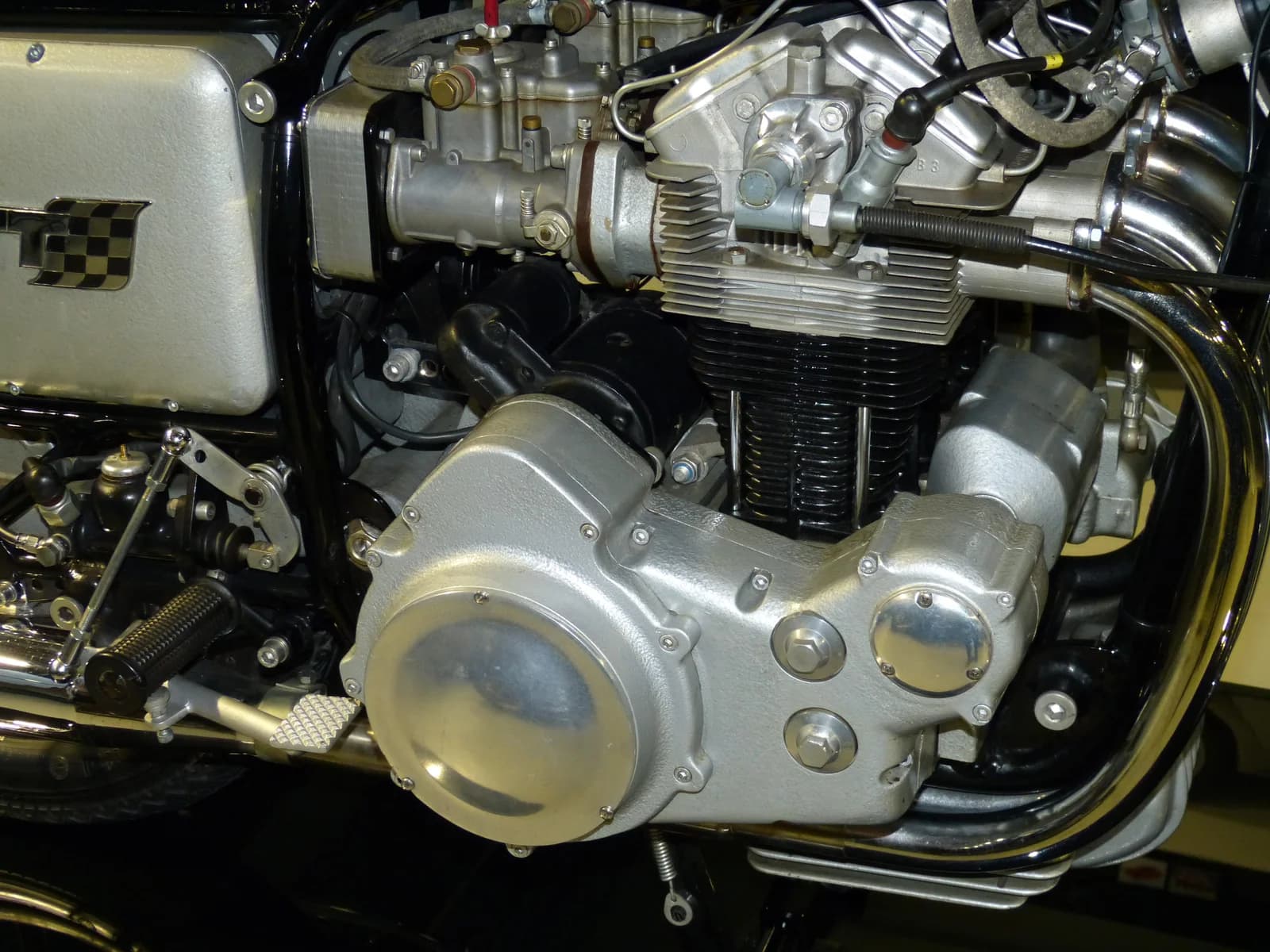
A parallel twin with a 270-degree crank fires unevenly, which mimics the interval of a 90-degree V-twin. Yamaha calls its version CP2 and puts it in the MT-07. Kawasaki, Honda and Aprilia all build variations on the idea.
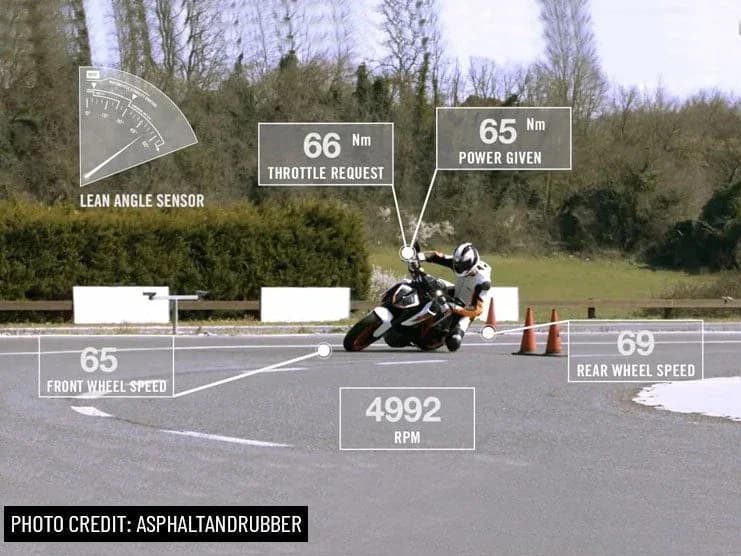
Uneven firing means torque arrives in distinct hits rather than a continuous shove. The practical effect is feedback: when the rear tire starts to slip, there are gaps between power pulses for it to hook back up, and you feel that happening through the seat. It's the same logic behind big-bang firing orders in racing.
Twins are also narrow, light and cheap to service. Two cylinders, eight valves, half the parts of a four. Peak power is modest and peak torque arrives low, which is exactly what you want on a road with corners and speed limits.
Triples: the compromise that isn't one
An inline triple with a 120-degree crank fires evenly every 240 degrees of rotation. That puts it between a twin and a four in every meaningful way, and unusually, it takes the good half of both.
You get midrange that behaves like a big twin and a top end that keeps pulling like a four, plus an intake howl that no other layout produces. Triumph's 675 and 765 triples and Yamaha's CP3 in the MT-09 are the reference points. The trade is a primary rocking couple, which is why triples run a balance shaft, and slightly more complexity than a twin.
If you can only ride one engine layout for the rest of your life, this is the defensible answer.
Inline fours: paying a tax to reach the top end
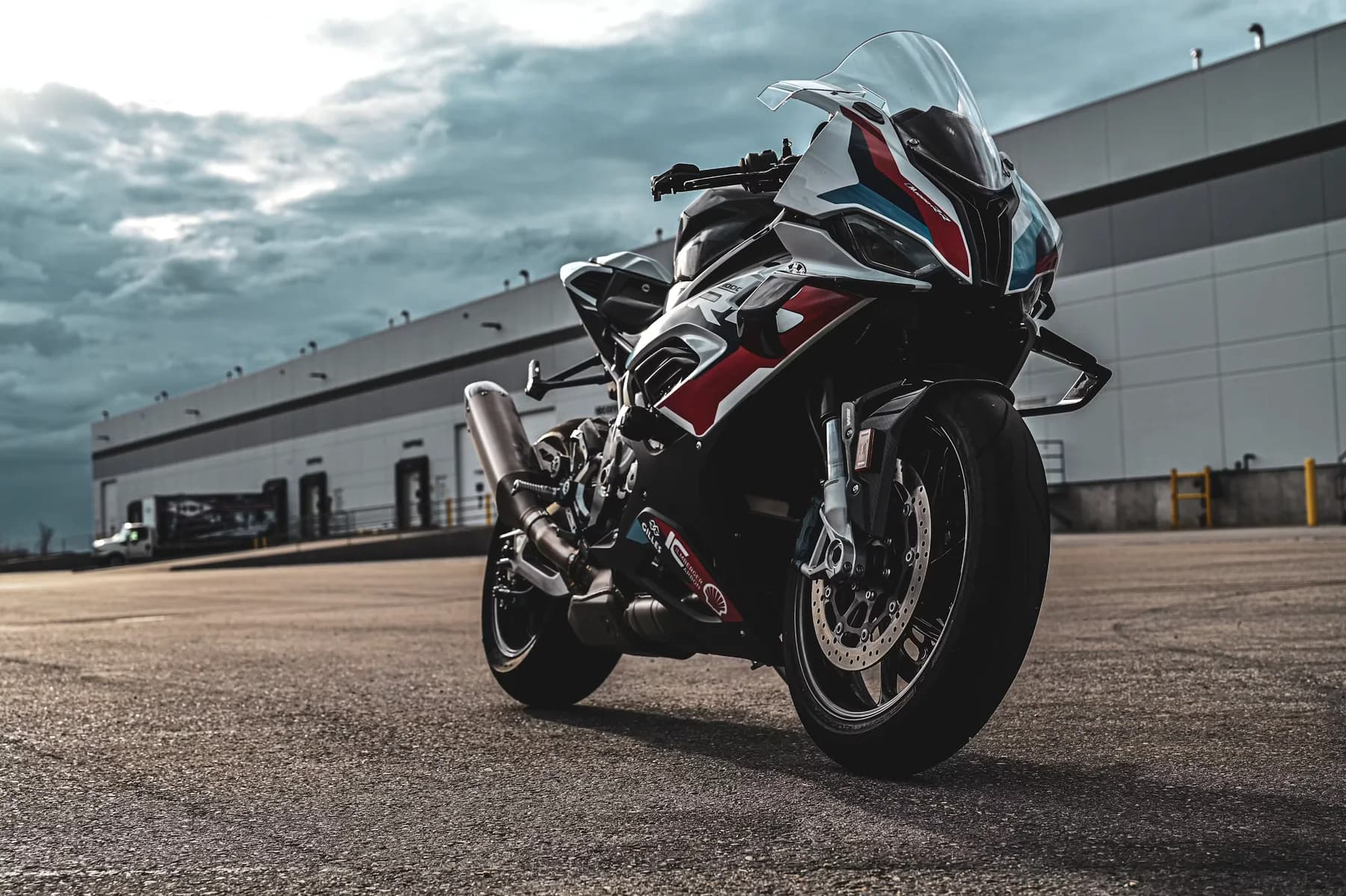
Four small pistons with short strokes can rev in a way two big ones cannot. That's the whole proposition. A 600cc supersport four spins past 15,000rpm and makes most of its power in the last third of the tach, which is thrilling on track and largely theoretical on a commute.
Even 180-degree firing makes the delivery smooth and continuous. Smooth is fast, but it also means less texture through the tire at the edge of grip, which is part of why liter bikes lean so hard on electronics. Fours are wider, heavier and more expensive to service, since a valve check involves 16 valves and cam removal on most designs.
The crossplane four in Yamaha's R1 exists specifically to fake the uneven firing feel of a twin while keeping four-cylinder revs. That should tell you what riders actually value.
Singles, and the V-twin exception
A single is the lightest, cheapest and most immediate engine there is. Every input arrives instantly because there's so little rotating mass. It also vibrates, needs a balance shaft to be tolerable, and runs out of breath early. For supermoto, city riding and dirt, nothing else makes sense.
The 90-degree V-twin, as in the Suzuki SV650 or most Ducatis, has perfect primary balance without a balance shaft. It's narrow, it's long, and it delivers torque in two enormous shoves. The packaging costs you wheelbase. The feel makes up for it.
What character actually costs
Here's the part the spec-sheet arguments miss. A twin making 70 horsepower and a four making 120 will cover the same back road at similar speeds in the hands of the same rider, because on a real road you're using neither figure. The four spends most of its time below the rpm where it works.
What differs is effort. The twin does it in third gear at 5,000rpm. The four does it by shifting constantly and living somewhere the noise makes you feel like a criminal. On track, that reverses completely, and the four walks away.
So pick the engine by where you ride, not by which number is bigger. If your riding is roads, ride a twin or a triple and stop apologising for it. If your riding is track days, the inline four is a tool built for exactly that job, and it will teach you more about corner speed than any amount of low-down torque ever will.