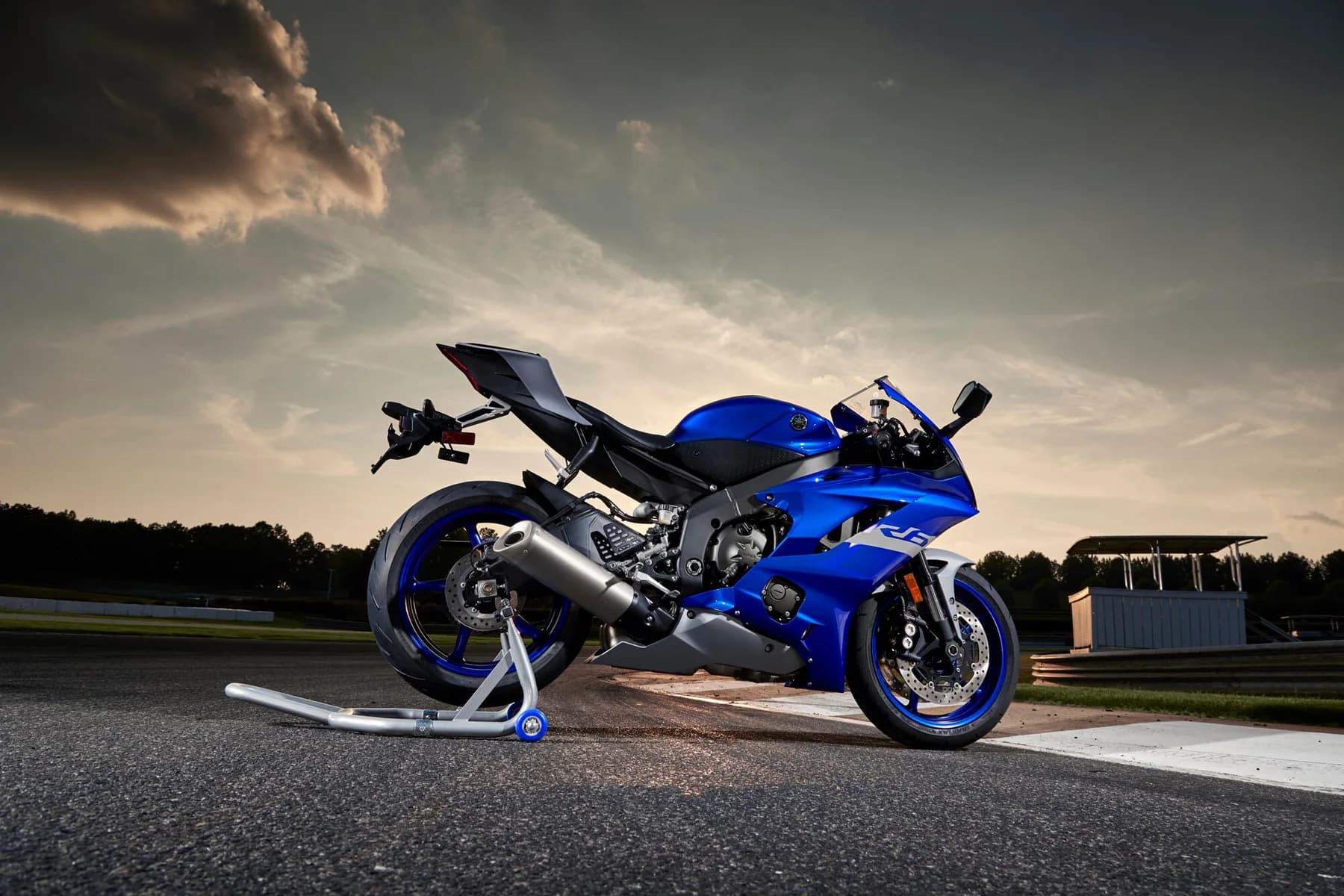
A 600cc supersport is one of the finest machines humans have built. Concentrated, obsessive, engineered to do one thing at a level that borders on absurd. It is also a bad first bike, and the reason has almost nothing to do with top speed.
Everyone who argues this ends up talking about horsepower, which is the weakest version of the case. A 600 makes roughly 110 to 120 horsepower. That's a lot, but a new rider isn't going to find the top of the tach on a public road anyway. The problem is elsewhere.
It isn't the power, it's where the power lives
A supersport four makes most of its power above 10,000rpm and revs past 15,000. Below about 6,000 it's flat, and the fueling down there is abrupt because nobody tuned that part of the map for anything except leaving pit lane.
That means the throttle response a new rider spends their first thousand miles learning is happening in the exact rev range the engine handles worst. Add tall gearing and a clutch set up for the track, and low-speed maneuvers — U-turns, parking lots, filtering, the stuff you do every single ride — become the hardest thing the bike asks of you.
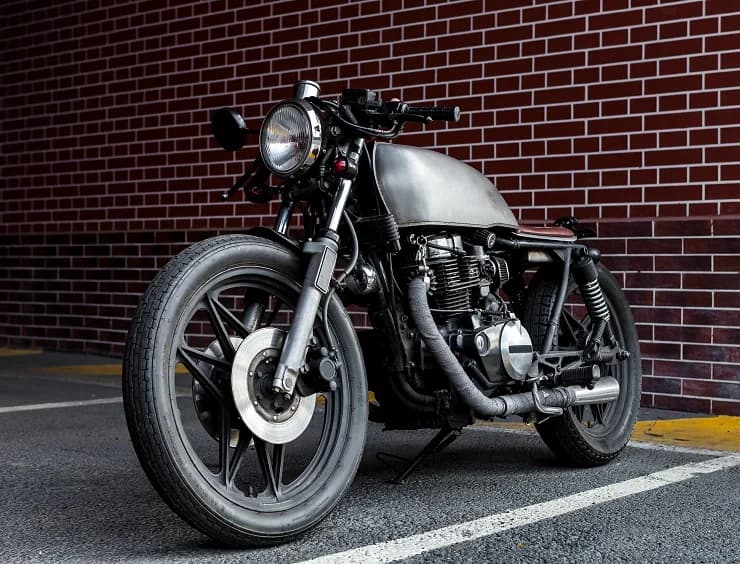
A 270-degree twin makes usable torque from 3,000rpm and meters it out smoothly. A rider learning on one gets clean feedback about what their right hand is doing. A rider learning on a 600 gets nothing, then everything.
The riding position is a daily tax
Clip-ons mounted below the triple clamp put your weight on your wrists at any speed where the airflow isn't holding you up, which is most street riding. Steering lock is limited. The tank is wide and long. Turning your head far enough for a proper shoulder check while folded into a tuck is genuinely harder than it should be.
Suspension is set up firm for smooth tarmac, so broken roads are worse. Radiators sit close to your legs in traffic. None of this is a flaw — it's a race bike with lights — but it makes the learning environment hostile in a way that costs attention. Attention you need for traffic.
How riders actually get hurt
The classic crash studies point at the same thing decade after decade: the most common multi-vehicle motorcycle crash is a car turning across the rider's path at an intersection. You avoid that with lane positioning, cover on the brakes, and reading driver head movement. A 600 offers nothing there.
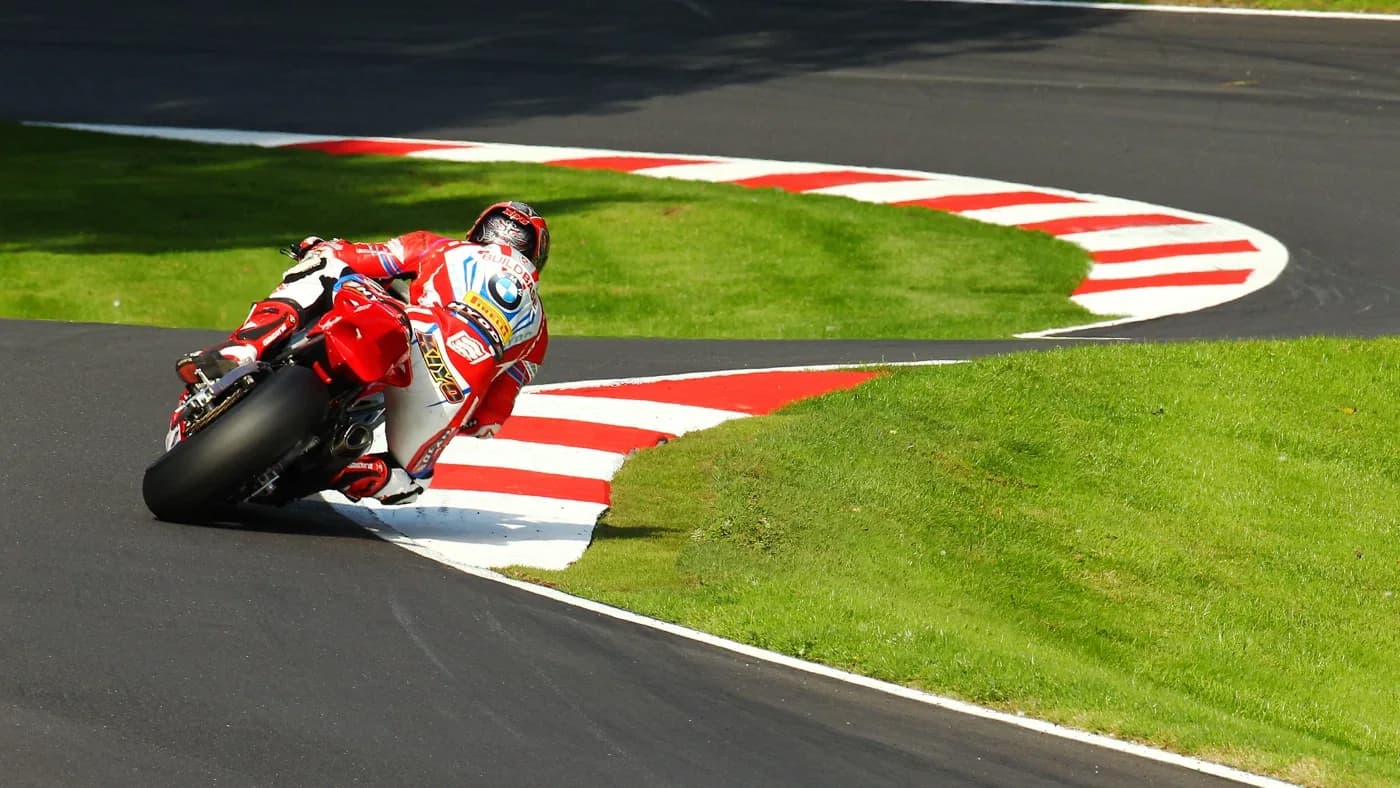
Solo crashes come mostly from entering a corner too fast, standing the bike up, and running wide, or from a panicked handful of front brake. These are skill failures, and the 600 amplifies both. Its abrupt low-rpm fueling makes a mid-corner throttle correction sharper. Its brakes are ferocious and take a calibrated hand.
The money math
Insure a 20-year-old on a supersport and the quote will read like a car payment. The same rider on a naked twin often pays a fraction of it. That gap alone can fund a full set of gear in year one.
Then there's the drop. A naked bike falls over and you buy a bar end, a lever and maybe an engine cover. A faired bike falls over and you're pricing plastics, and OEM panels cost more than you would believe. Used 600s are also the most thrashed, crashed and stunted category on the market, so the odds of buying somebody else's incident are higher than average.
If you want one anyway
Then buy one, but do it in the right order. Learn on a twin for a season. Take a proper course. Then buy the 600 and ride it where it makes sense, which is a track day, where nothing is coming the other way and running wide costs you a slow lap instead of a collarbone.
Nobody's telling you the bike is too much for you as a person. Plenty of riders started on 600s and are fine. The argument is narrower than that: the bike charges you more for lessons that a cheaper, friendlier machine teaches better, and it charges you in insurance, plastics and — occasionally — in things that don't grow back.
The 600 will still be there in a year. So will you, on better terms.