A stationary car hides most of the suspension's job. It does not show what happens when a wheel rises into the arch, the steering reaches full lock or the car carries passengers. A good stance has to survive those conditions as well as the photograph.
The starting point is compatibility. The wheel, tire, suspension and body occupy the same limited space, and changing one can alter the room available to the others.
Separate height from damping
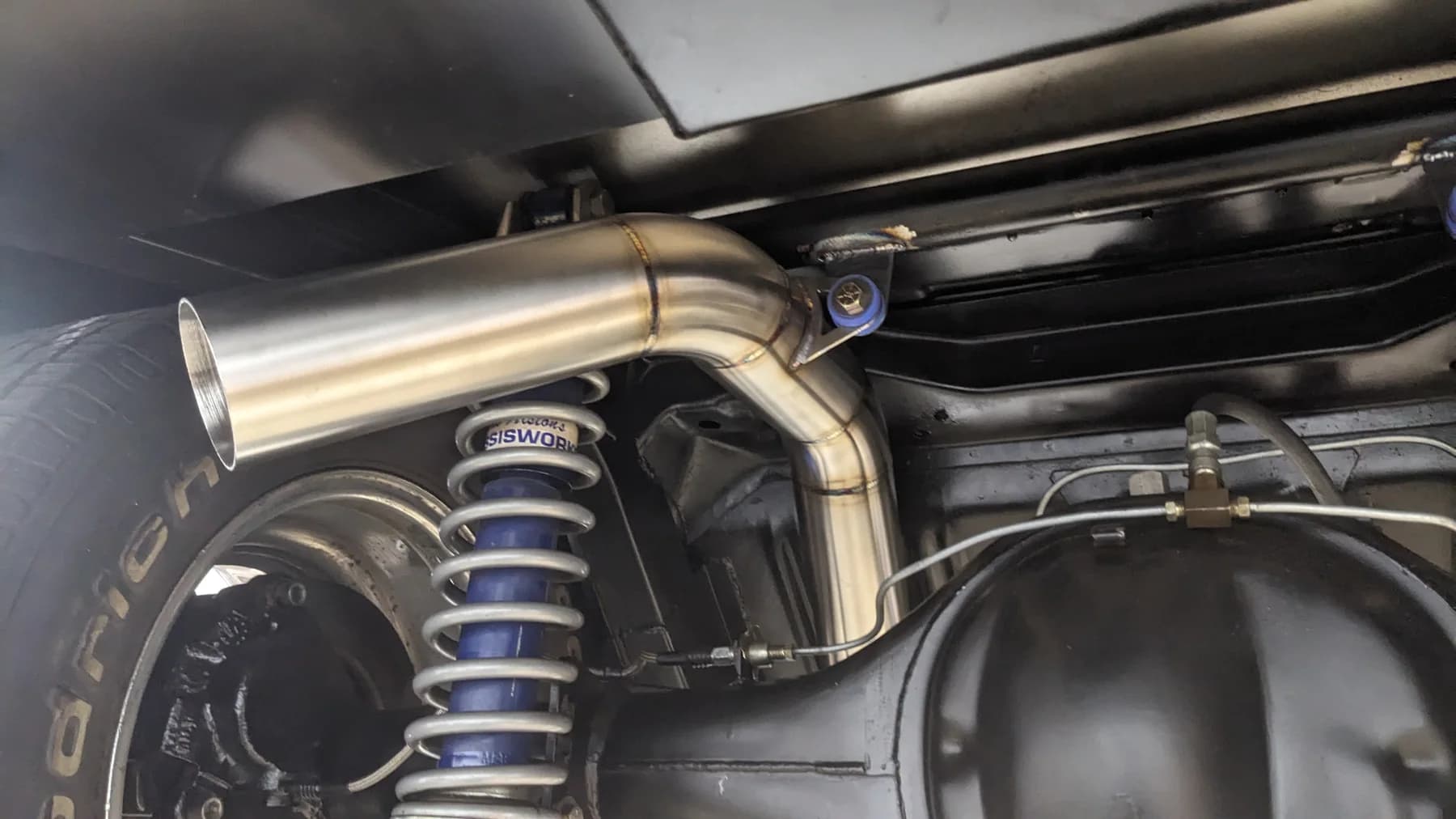
Ride-height adjustment and damper adjustment are different features. A coilover does not necessarily offer both. Bilstein's B14, for example, provides adjustable height, while its comparison with the B16 identifies manual damping adjustment as an additional feature of the latter. Exact ranges and fitment depend on the application. Bilstein's B14 guide
That distinction helps prevent a common buying mistake. If the only goal is a considered reduction in ride height, you may not need a complicated adjustable damper. If the car has a specific handling problem, extra threads on a spring perch will not diagnose it.
Ask the supplier which adjustment changes what, what the approved range is, and which supporting parts your exact vehicle needs. “Fits an M3” is not enough information when generations and factory suspension systems differ.
Preserve the room to move
Lowering reduces ground clearance. Bilstein's lowering guide also emphasizes matching springs with suitable dampers and warns about excessive or incorrectly executed lowering. Those are reasons to choose a workable setup, rather than treating the lowest available adjustment as a target. Bilstein on lowering
Have a qualified installer check clearances through the relevant suspension travel and steering movement, following the kit's instructions. A tire that clears the fender while the car is parked may still contact something in use. Removing a bump stop or altering a spring to make a picture work is not a substitute for selecting the right components.
Carry normal loads into the discussion. A car used with a passenger and luggage should be assessed for that job. The useful ride height is one at which the car can function as intended.
Alignment is part of the installation
Camber describes wheel tilt when viewed from the front. Toe describes the direction the wheels point when viewed from above. Caster is the steering axis's fore-and-aft inclination. Tire Rack identifies these, along with thrust angle, as the principal static alignment measurements. Toe is particularly important to tire wear. Tire Rack's alignment guide
There is no single set of aggressive-looking numbers that works for every car. The starting specification should suit the vehicle, the installed components and the use. Ask for the alignment printout and retain it with the build records.
An alignment cannot make an incompatible tire and wheel combination appropriate. Nor can an internet photograph establish the dimensions, loads or compromises behind somebody else's setup.
Keep a useful record
Record the part numbers, approved height range, installed settings and alignment. After any changes, describe the result in practical terms: clearance, tire wear, noise and behavior on the roads the car normally uses. Follow the installer's and manufacturer's recheck instructions.
A good-looking car can also be a usable one. The aim is to make the stance an intentional result of the setup, rather than a shape the suspension has been forced to accommodate.
Updated September 5, 2026.