The best street setup starts with the road outside your house. The driveway, the commute, the weather and the people who ride with you are part of the specification. A car that photographs well but makes every ordinary journey a negotiation has missed its own brief.
There is no universal combination of wheel size, spring rate and horsepower that makes a street car complete. There is a useful way to choose those things: define the job, establish a healthy baseline and change one system at a time.
Write the brief before the parts list
Give the project a short description that a shop could work from. For example: a daily-driven coupe that keeps its air conditioning, carries a passenger comfortably and attends occasional instructed track days. Add the roads, climate and parking constraints it must handle.
Then decide what is actually wrong with the current car. “I want coilovers” names a product. “The dampers are worn and the car needs a modest drop without losing everyday clearance” names a problem. The second statement allows more than one good solution.
Include maintenance and installation in the budget. A component price is not a finished-job price. Alignment, replacement hardware, worn supporting parts and the time to check the completed work belong in the same plan.
Establish the baseline
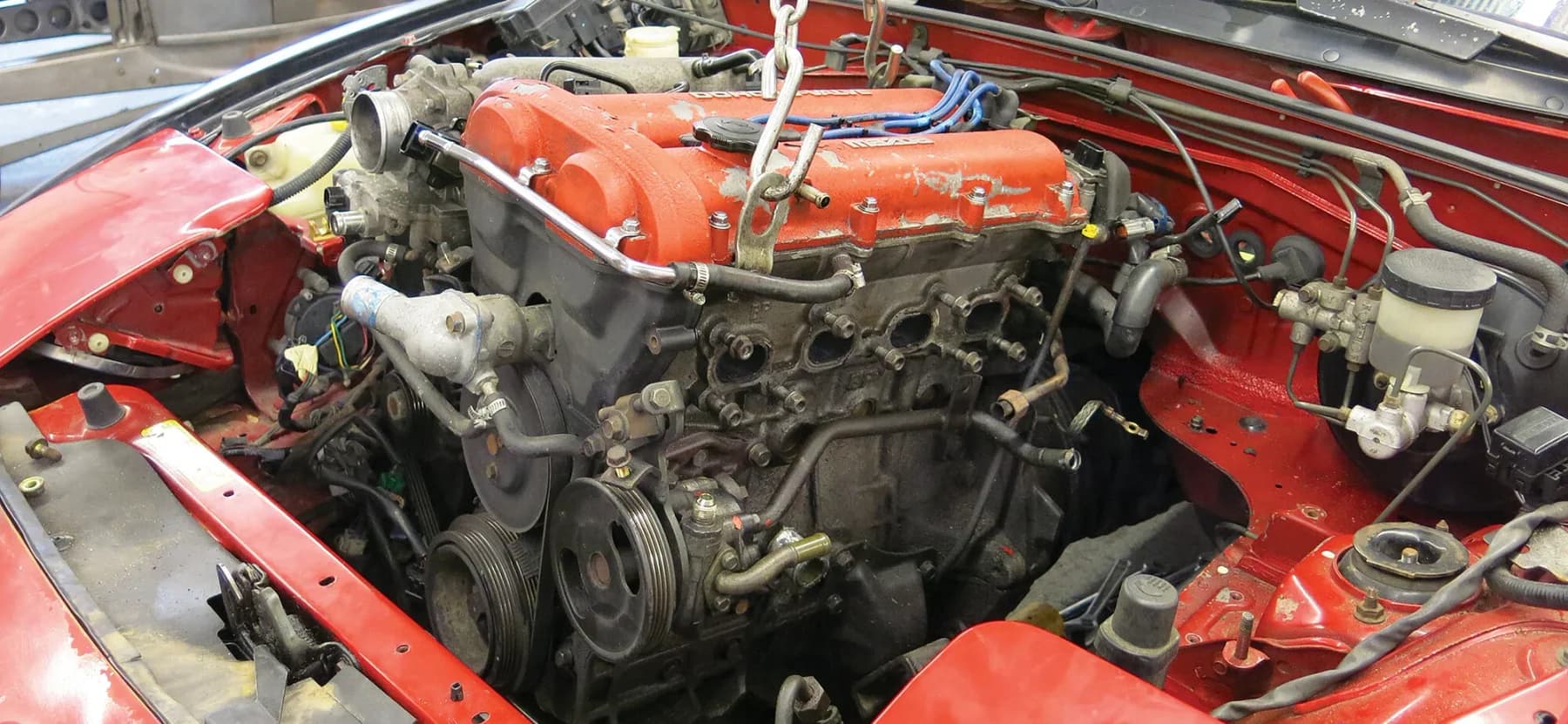
Have the car inspected before adding performance. Resolve leaks, damaged tires, brake faults and suspension wear. Keep a record of what was found and repaired so later changes have a meaningful starting point.
For an otherwise standard tire fitment, the manufacturer's cold-pressure recommendation is the reference, not the maximum figure molded into a tire's sidewall. A modified fitment needs appropriate advice for its tire and load requirements. Tire Rack's guide to tire specifications
“Feels better” is worth recording, but be specific. Does the car track straight? Does it clear your driveway? Is there a noise over a particular bump? These observations are more useful to a technician than a borrowed adjective such as “planted.”
Choose compatible systems
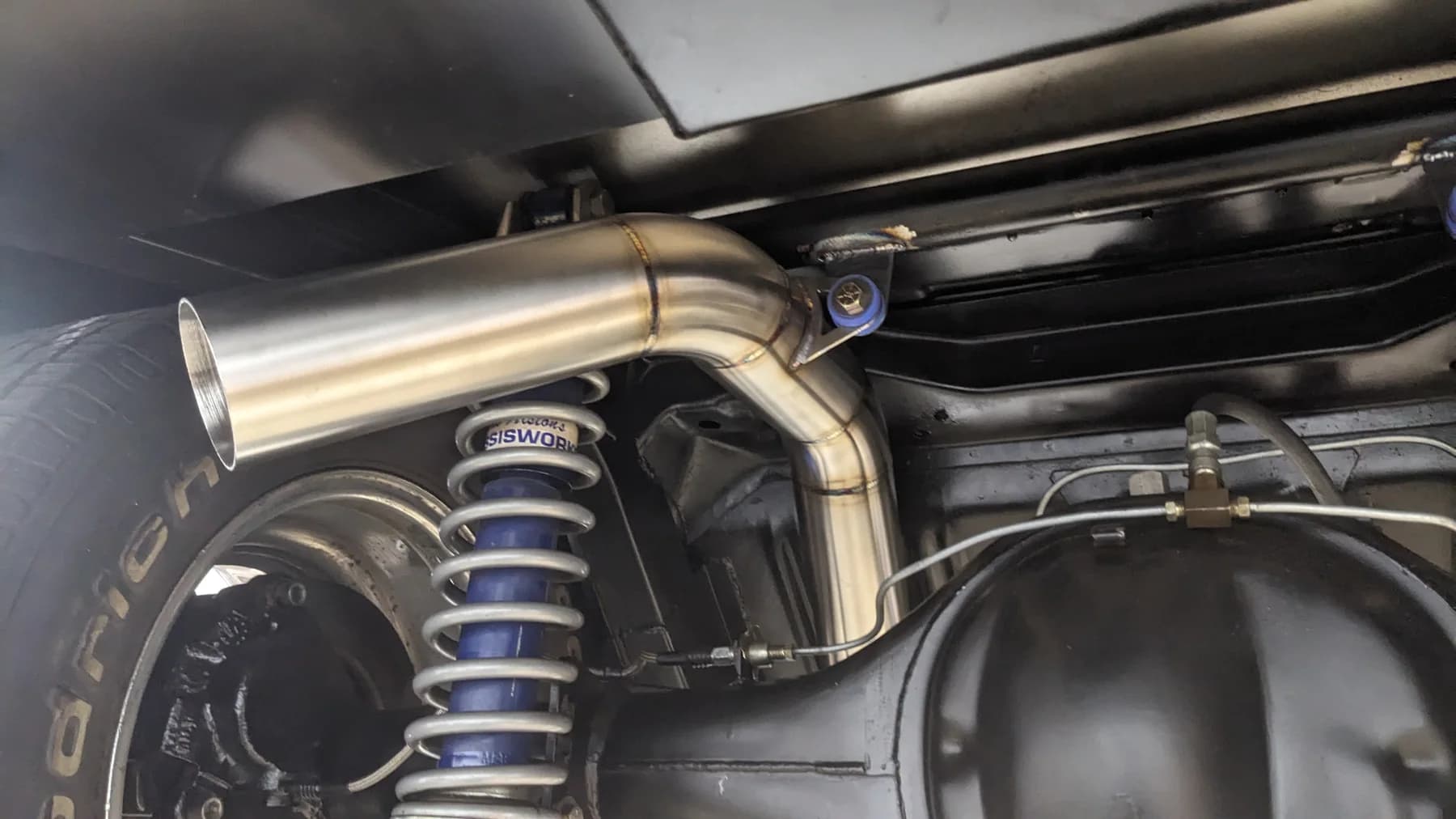
Springs and dampers should be selected together for the application. Bilstein describes its B12 as a matched spring-and-damper kit, illustrating an important point: a coherent fixed setup can be a valid choice when you do not need adjustable ride height. More adjustment is useful only if you have a reason to use it. Bilstein's B12 description
Wheels and tires also need to be treated as a package. Confirm vehicle fitment, brake clearance, load capacity and the tire manufacturer's approved rim-width range. A picture of another car does not establish those details for yours.
If power is the goal, ask the installer to identify fuel requirements, supporting work, service implications and the calibration's intended use. Do not treat someone else's dyno number as an outcome guaranteed by a shopping basket.
Decide when it is finished
After installation, have the work checked according to the component maker's instructions and record the alignment or settings where relevant. Use the car before ordering the next change. Give yourself time to distinguish a real problem from unfamiliarity.
Our definition of a successful street build is simple: its owner wants to drive it. It works in the conditions it was built for, its modifications have a clear purpose, and maintaining it is part of the plan. Reaching that point is an achievement. You do not need another box of parts to justify stopping there.
Updated September 5, 2026.