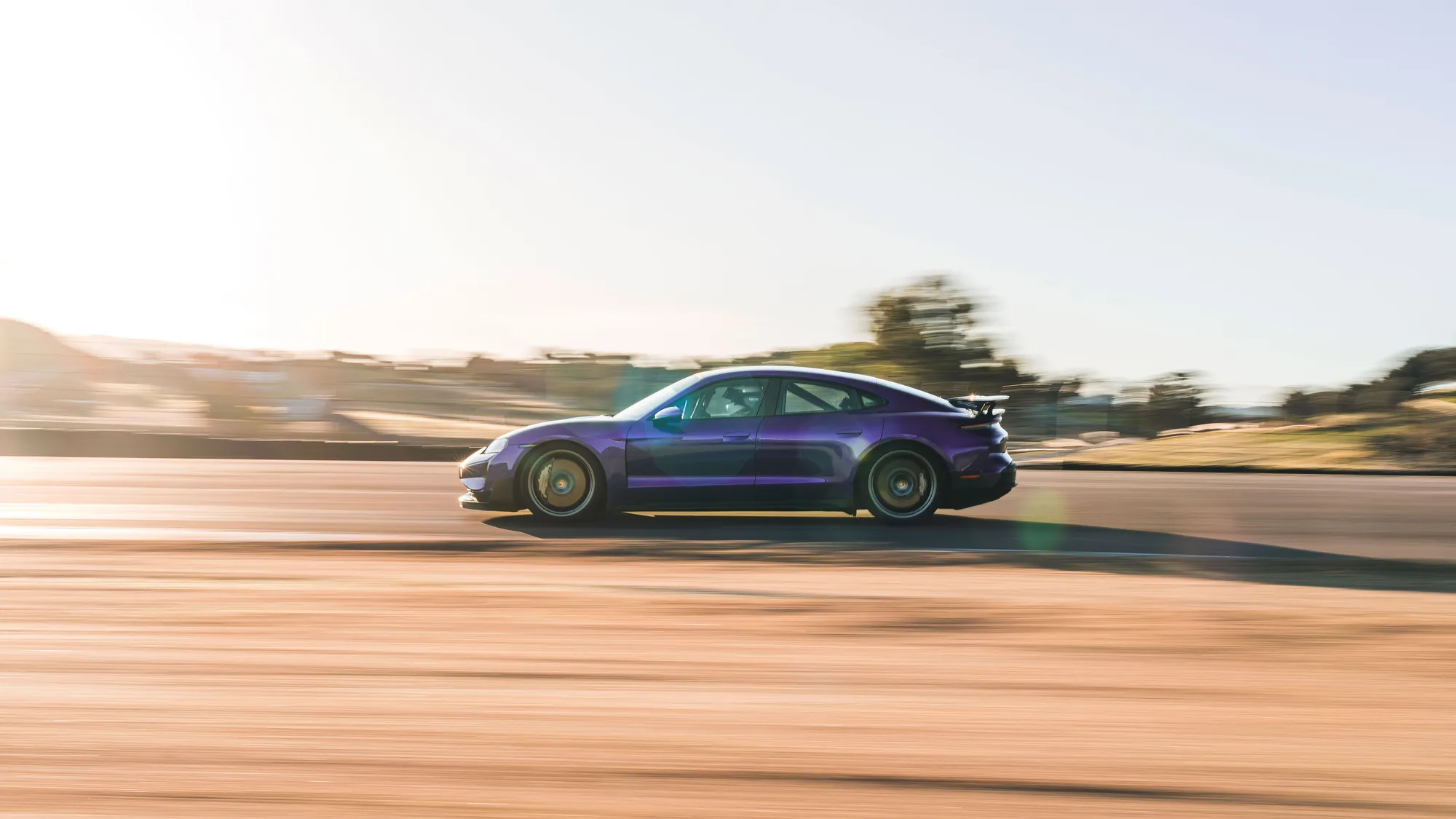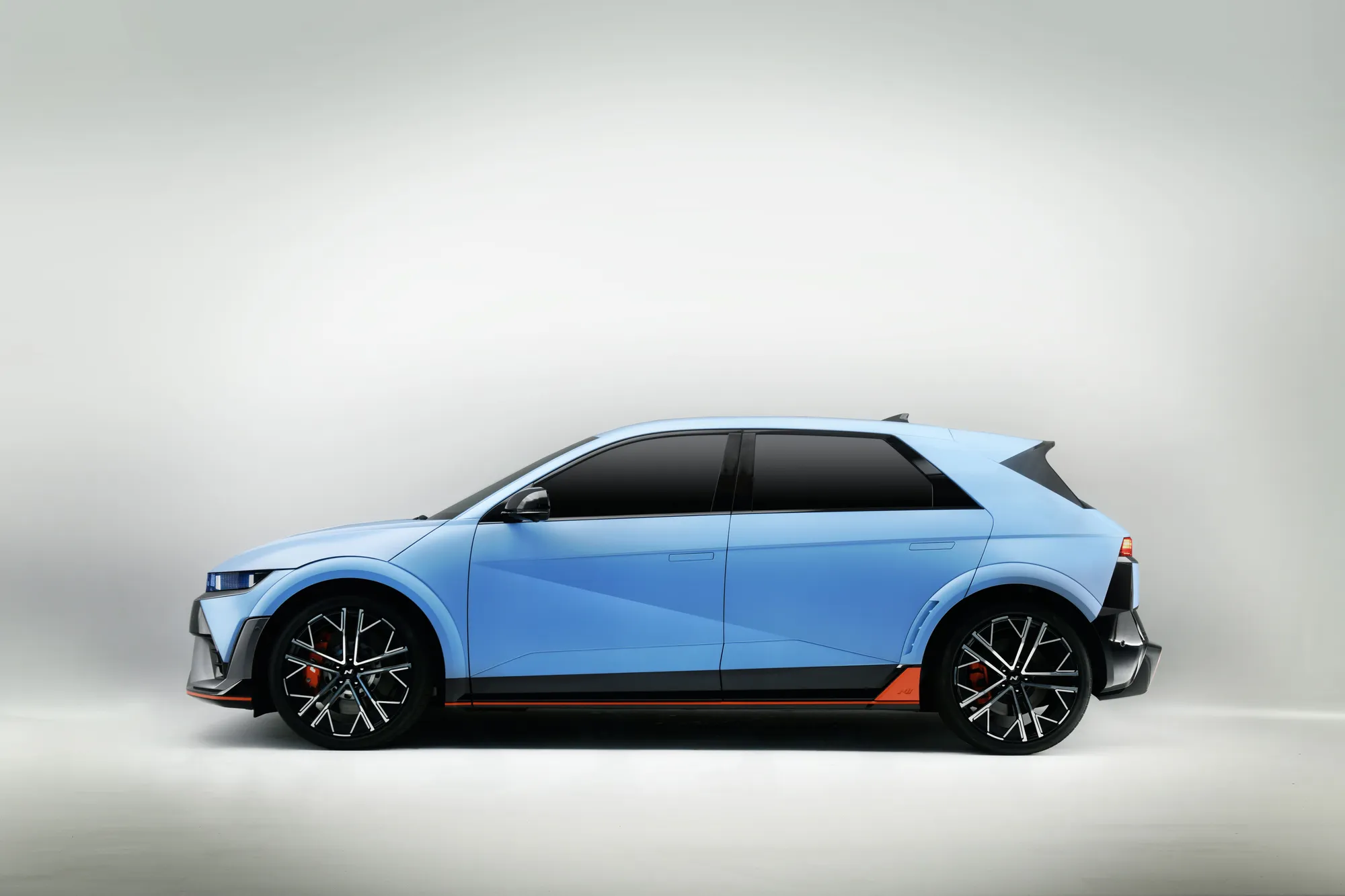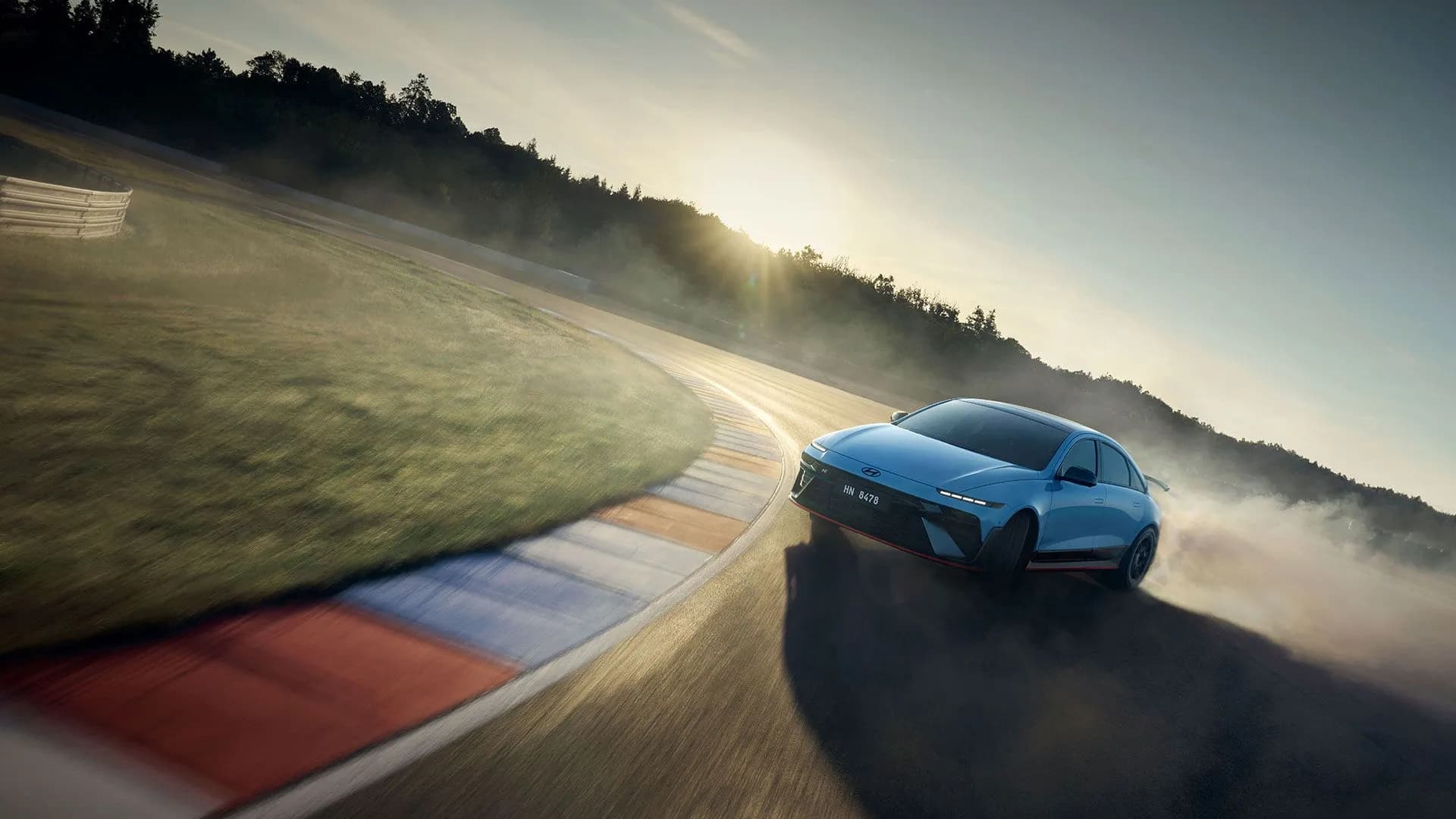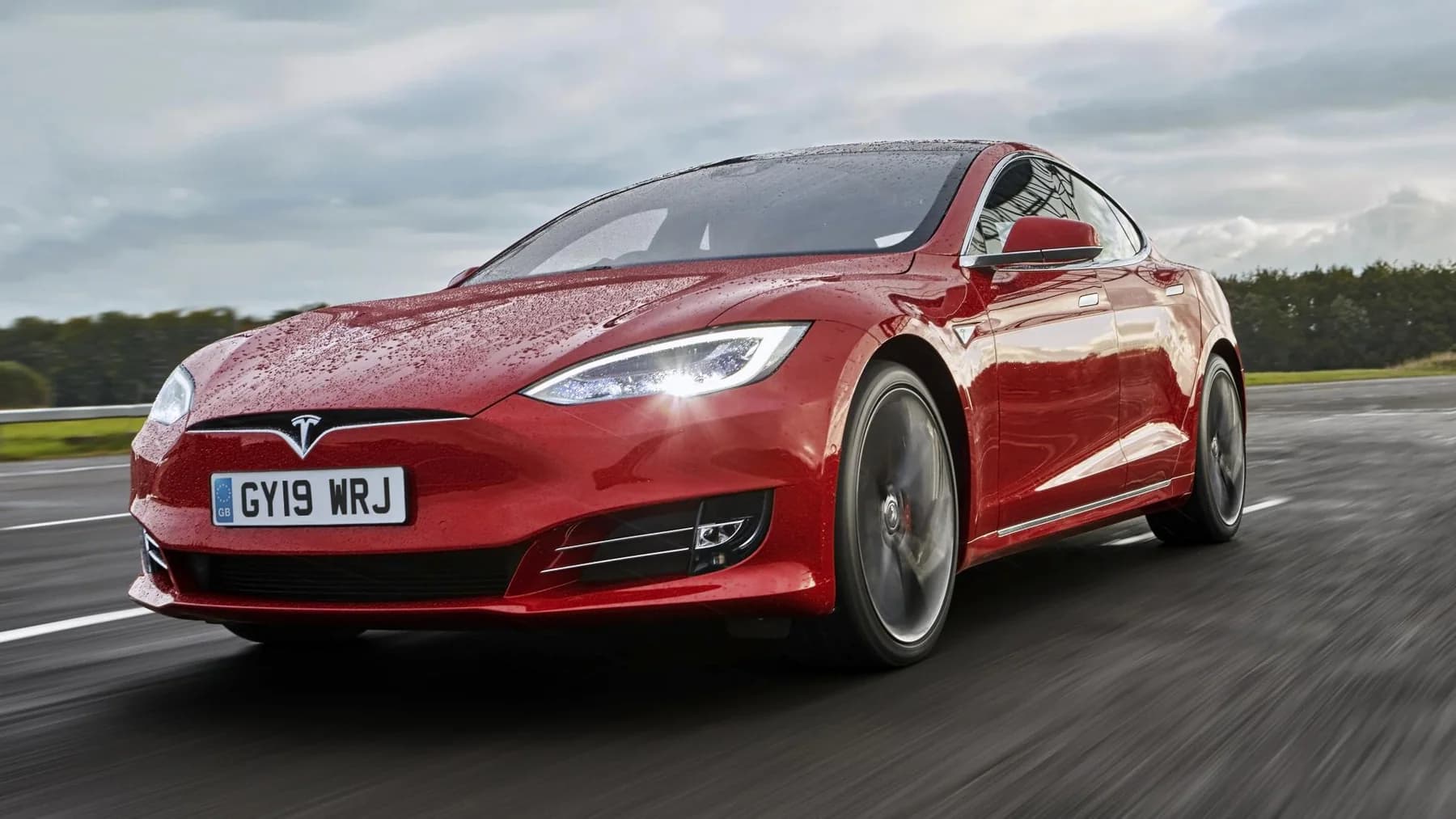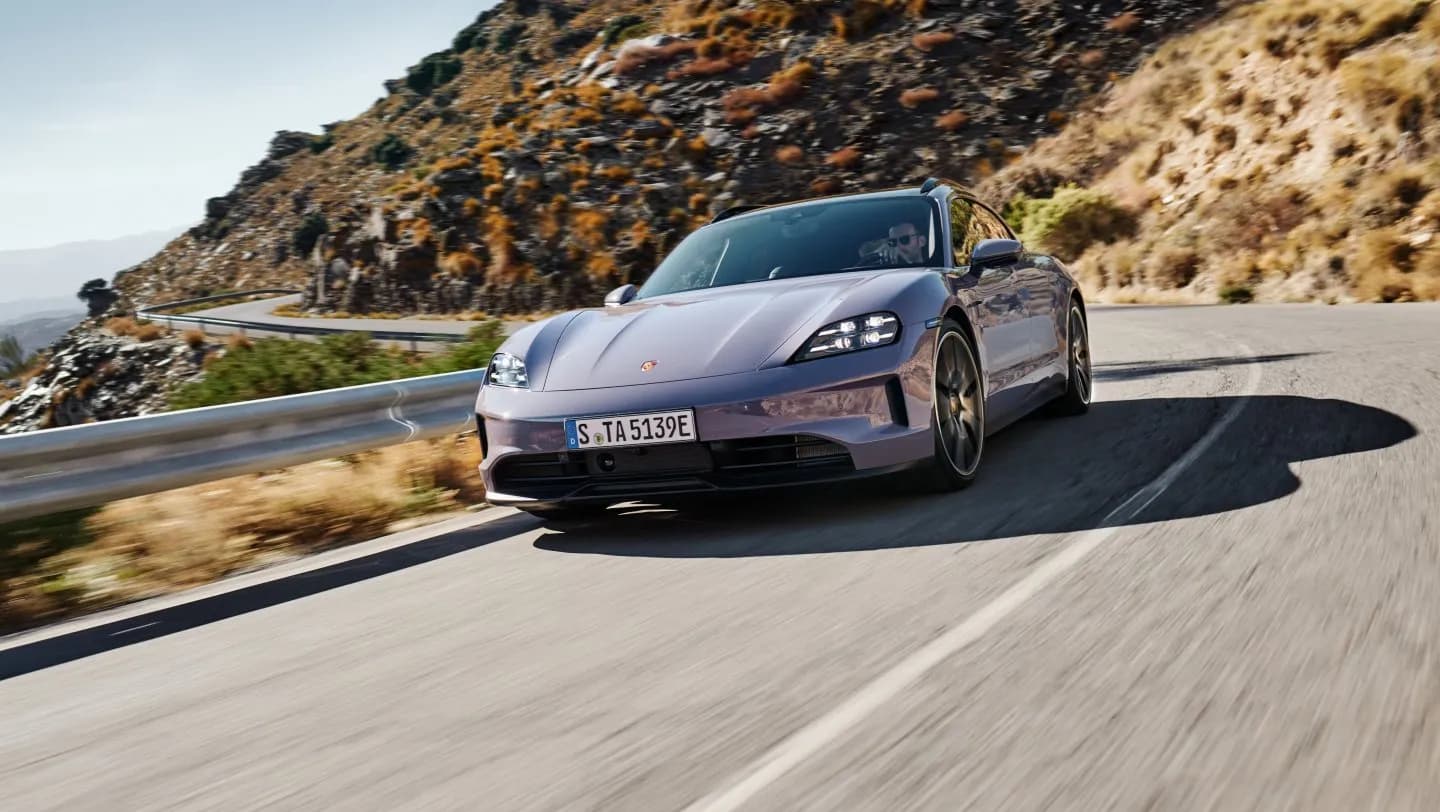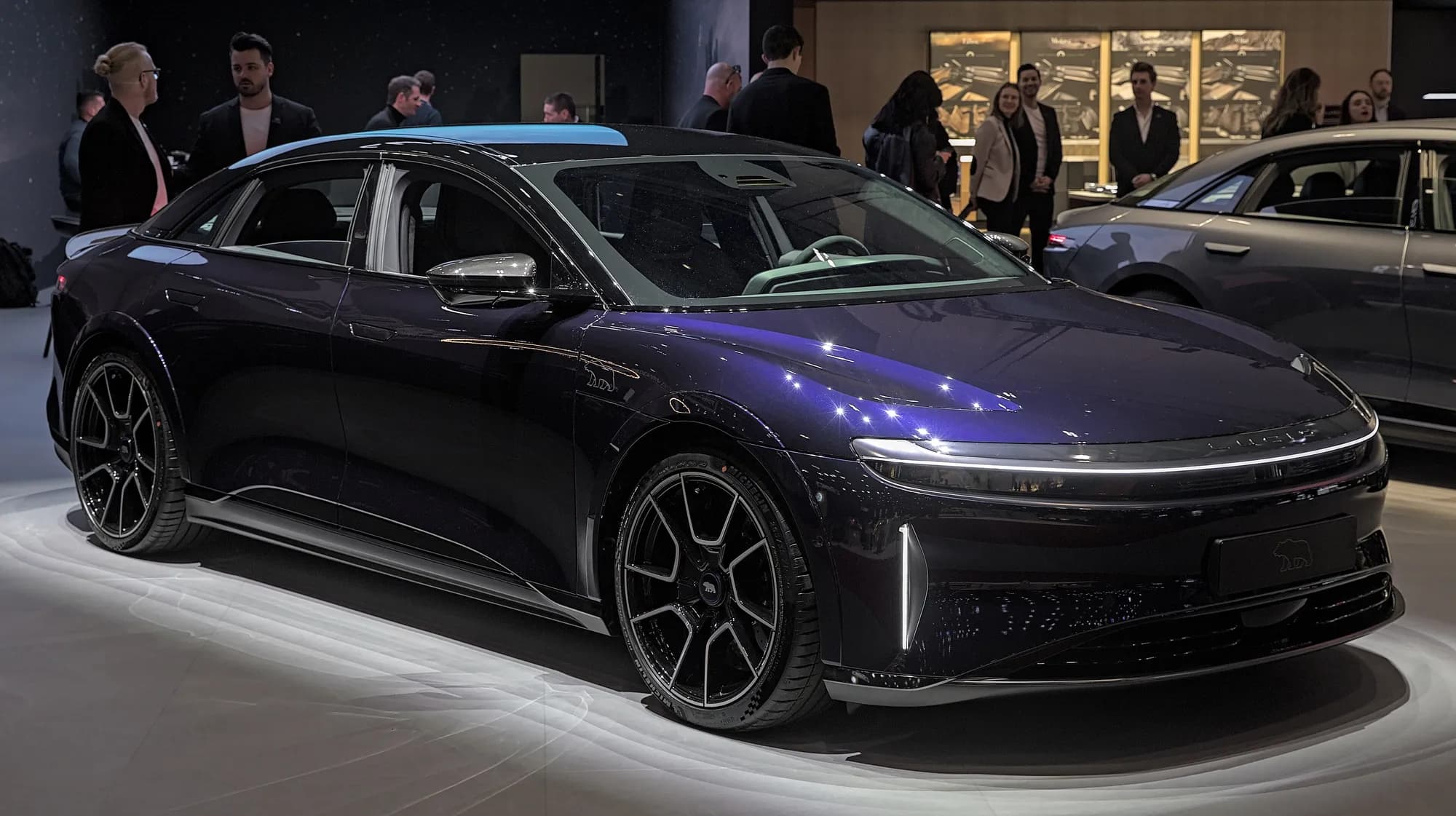
Only one of these cars is still being built. Tesla finished its last Model S at Fremont in May 2026, after a 14-year run, and began converting the line to make Optimus robots. Three months later, Lucid carried the Air Sapphire into the 2027 model year at an unchanged $249,000.
So this comparison is no longer a straight shopping decision. It is a discontinued Tesla against a new Lucid that costs well over twice the Plaid's last list price, and they turn out to be very different ideas of what three motors are for.
How the figures compare
Both use three motors, one up front and two at the rear, which lets each car vary drive between the rear wheels. Tesla and Lucid both quote 0-60 times with a one-foot rollout subtracted, so a real standing start takes longer.
- Power: Plaid 1,020 hp; Sapphire 1,234 hp
- Torque: Plaid about 1,050 lb-ft; Sapphire 1,430 lb-ft
- 0-60 mph, maker's claim: Plaid 1.99 seconds; Sapphire 1.89 seconds
- Quarter mile, maker's claim: Plaid 9.23 seconds at 155 mph; Sapphire 8.95 seconds at 158 mph
- Top speed: Plaid 200 mph with the Track Package; Sapphire 205 mph
- Weight: Plaid about 4,800 lb; Sapphire 5,336 lb
- Range: Plaid 348 miles on 19-inch wheels, 312 on 21s; Sapphire up to 427 miles
Lucid's advantage in a straight line is real but not huge, and it carries more than 500 extra pounds to get there. The weight gap partly reflects a 118 kWh battery, and that big pack is what pays for the range lead.
Getting either one around a track
This is where the two diverge. The Plaid was built as a road car with staggering straight-line speed, and its serious track hardware arrived later as an option. The Sapphire was developed as a track-capable model from the start, with carbon-ceramic brakes and track-tuned suspension as standard.
Tesla's answer came in 2023 with the Track Package: $15,000 for carbon-ceramic brakes, or $20,000 with forged wheels and track tires, plus Track Mode software and the unlocked 200 mph top speed. A Plaid so equipped lapped the Nürburgring Nordschleife in 7:25.231 that year, beating the Taycan Turbo S's time by about eight seconds. Tesla ran that lap on Goodyear Supercar 3R tires, and the car carried visible safety gear including a roll cage and a racing seat, so treat it as a benchmark for a prepared car rather than a showroom one.
Lucid is more explicit about how the car spends its energy, and each Sapphire mode has its own power limit:
- Smooth and Swift: 767 hp, for daily driving
- Sapphire: 1,121 hp, the most aggressive road mode
- Dragstrip: the full 1,234 hp, for one maximum run
- Hot Lap: 1,003 hp, with a powertrain cooling system engaged for consistent lap times
- Endurance: 767 hp, with the same cooling, for longer sessions
That is the most useful thing to understand about the car. The headline figure is a dragstrip number, and on a circuit Lucid gives you about 230 hp less in exchange for repeatable pace. The brakes back it up, with 16.5-inch front and 15.4-inch rear carbon-ceramic discs and 10-piston front calipers.
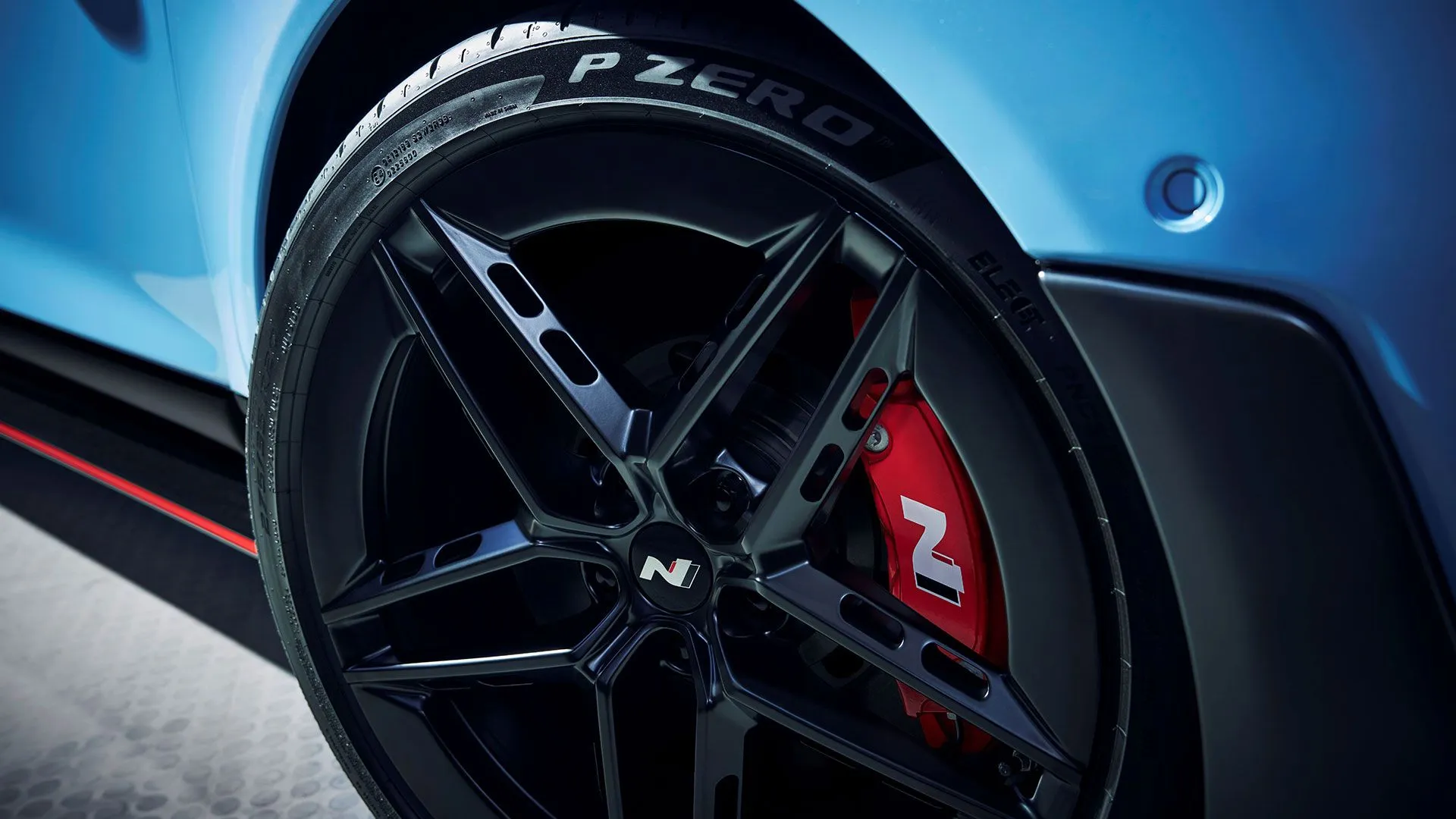
Tires are the obvious upgrade. The Sapphire comes on Michelin Pilot Sport 4S rubber developed for the car, but Lucid sells a dealer-installed Track Tire package using Pirelli P Zero Trofeo RS tires for $8,250 plus installation. On those tires a Sapphire has hit 60 mph in 1.881 seconds, against 2.2 on the factory Michelins. In timed laps at Virginia International Raceway in 2025, a stock Sapphire on Trofeos ran 2:40.2, quicker than a Taycan Turbo GT's 2:41.8.
Lucid has not published a Nordschleife time, so the Tesla's lap has no direct Lucid answer. Even so, the Sapphire looks like the better-developed track car out of the box, while the Plaid can be made very quick with the right package.
Range and daily use
The Sapphire's 427-mile rating is a remarkable number for a car with this power, and that is with the standard wheel covers. On a 350 kW charger, Lucid says it adds 200 miles in 15 minutes. It also seats five adults comfortably, although the low roofline makes getting in and out harder than you'd expect from a large sedan.
The Plaid gives up 79 miles on its best rating and 115 if you specify the 21-inch wheels, a difference worth checking on any used car, since the wheels change the EPA figure by 36 miles. Its counterargument is the Supercharger network, built around Tesla's own cars.
Where each one stands now
The Model S Plaid is out of production. Tesla announced the last cars on May 10, 2026, and Elon Musk framed the end as part of a shift to an autonomous future. The final run was an invite-only Signature Series of 250 Model S Plaids at $159,420, finished in Garnet Red with a white interior and gold badges. The regular 2026 Plaid had been listed at $109,990 before destination, including the Luxe Package. Tesla says it will keep supporting existing owners for as long as people have the cars.
The Air Sapphire is still on sale. Production began in Arizona in 2023, and the 2027 car carries over largely unchanged. The $249,000 price excludes tax, title, license, destination and documentation fees.
Which one makes sense
Buy the Plaid if you want most of the shock for far less money and don't mind owning a discontinued model. Look for a car with the Track Package only if you'll really use it, check which wheels it has, and remember that support, not continued development, is what Tesla is now promising. Signature cars are a separate matter, closer to collectibles than to transport.
Buy the Sapphire if you want the better track car and the longer range, and if a price near the Taycan Turbo GT's doesn't scare you. It is the more complete machine, with modes that make clear how much power you're using and why. The Plaid did more to prove that a family sedan could be this fast. The Sapphire is what happens when someone engineers the rest of the car to keep up.