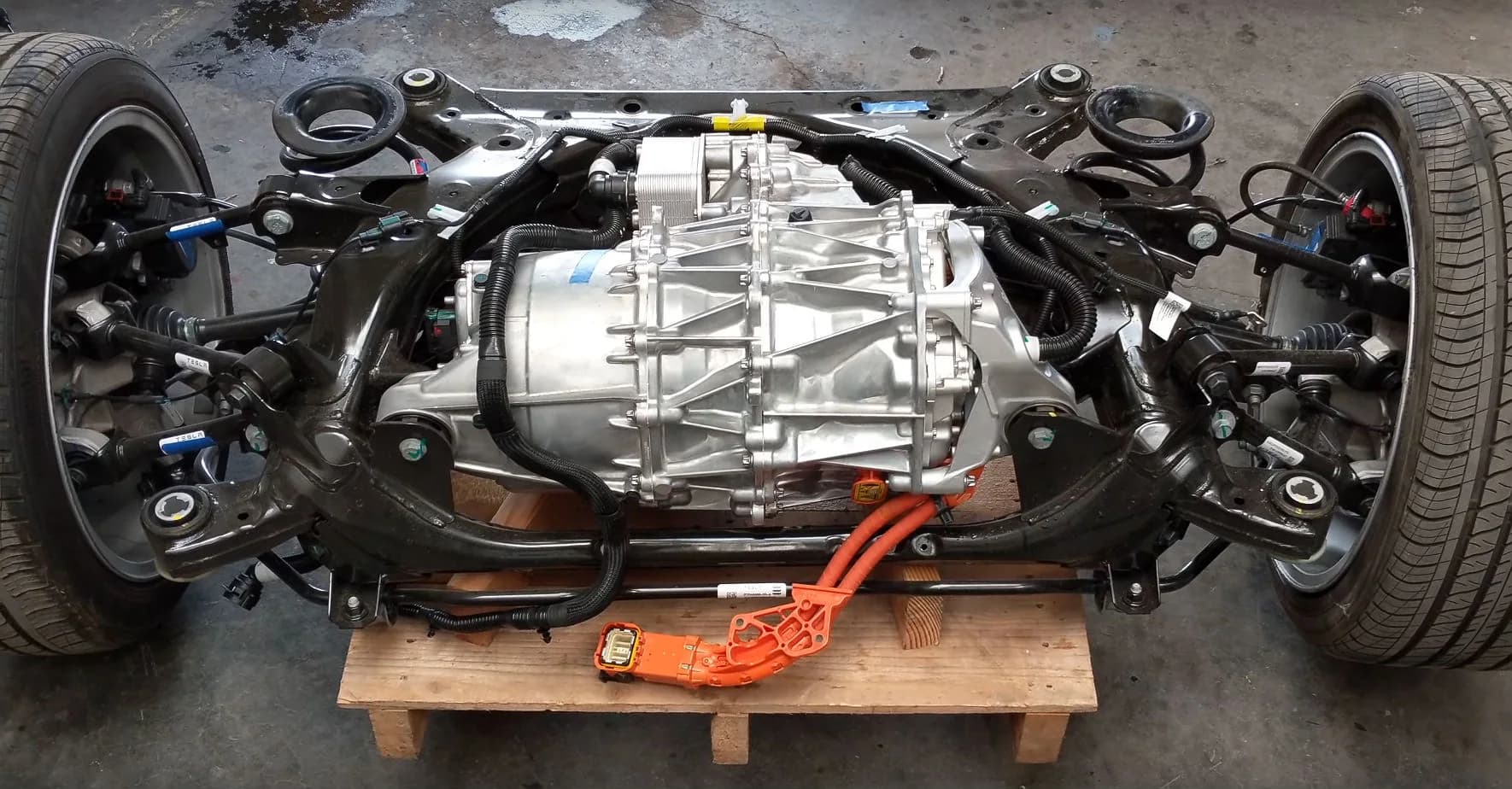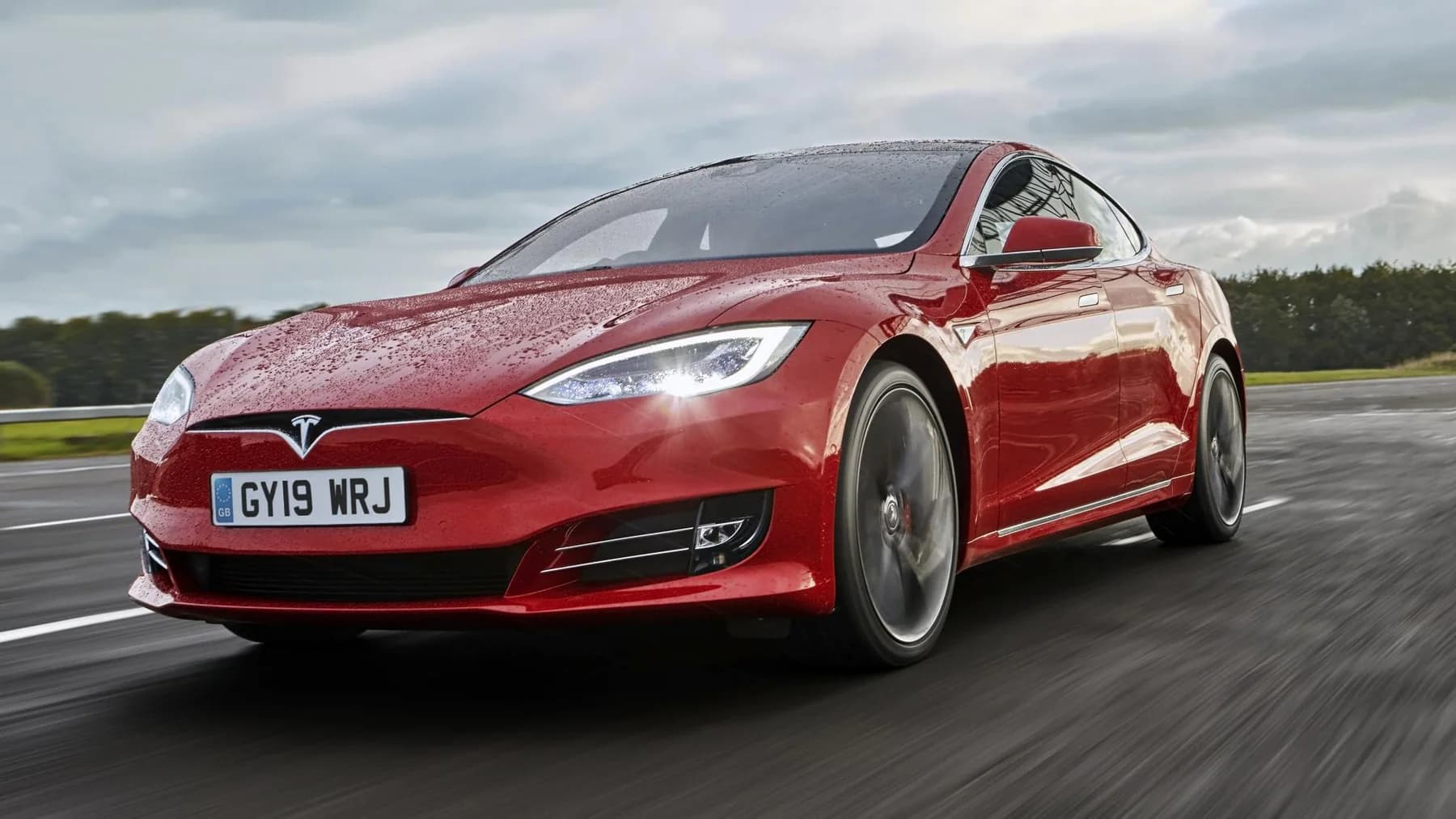
Pull out of a junction in a dual-motor EV and the car does something no combustion car can. It delivers everything, immediately, with no ramp. No clutch take-up, no turbo spooling, no waiting for a cam to wake up. Torque is available at zero rpm because that is how an electric motor works: current in, twist out.
That first squeeze is genuinely addictive. It is also the least interesting thing about driving one.
Why the shove feels different
A combustion engine makes torque in a band, and you spend your driving life managing that band. Picking gears, keeping revs up, timing a downshift so the power lands where you want it. Half the skill of driving a manual quickly is anticipation.
An electric motor deletes the band. Peak torque sits at zero rpm and holds until motor speed climbs far enough that voltage limits start pulling it back. There is no gear to be in. The pedal becomes a direct request for acceleration rather than for engine speed.
That changes the rhythm of a corner exit completely. In a fast combustion car you unwind the wheel and feed power as grip returns. In an EV the power is already there, so the throttle turns into a grip-management tool instead of a rev-management tool. Good EV drivers treat a dry road like a damp one in a big turbo car. Bad ones mash it and let stability control write the corner exit for them.
And then the motor runs out
Here is where the party ends. Torque is flat until it isn't, and the point where it isn't arrives earlier than you'd expect, usually somewhere in the 40 to 70 mph window on a single-speed car.
Above that, output settles into a constant-power plateau and then falls away as back-EMF climbs. It's why a 500hp EV can hammer a 500hp combustion car from a roll to 60 and then quietly lose ground from 80 to 130. The Taycan bolts a two-speed gearbox to the rear axle specifically to push that fade further up the range. Almost nobody else bothers, because almost nobody else is chasing that part of the experience.
Weight is the bill
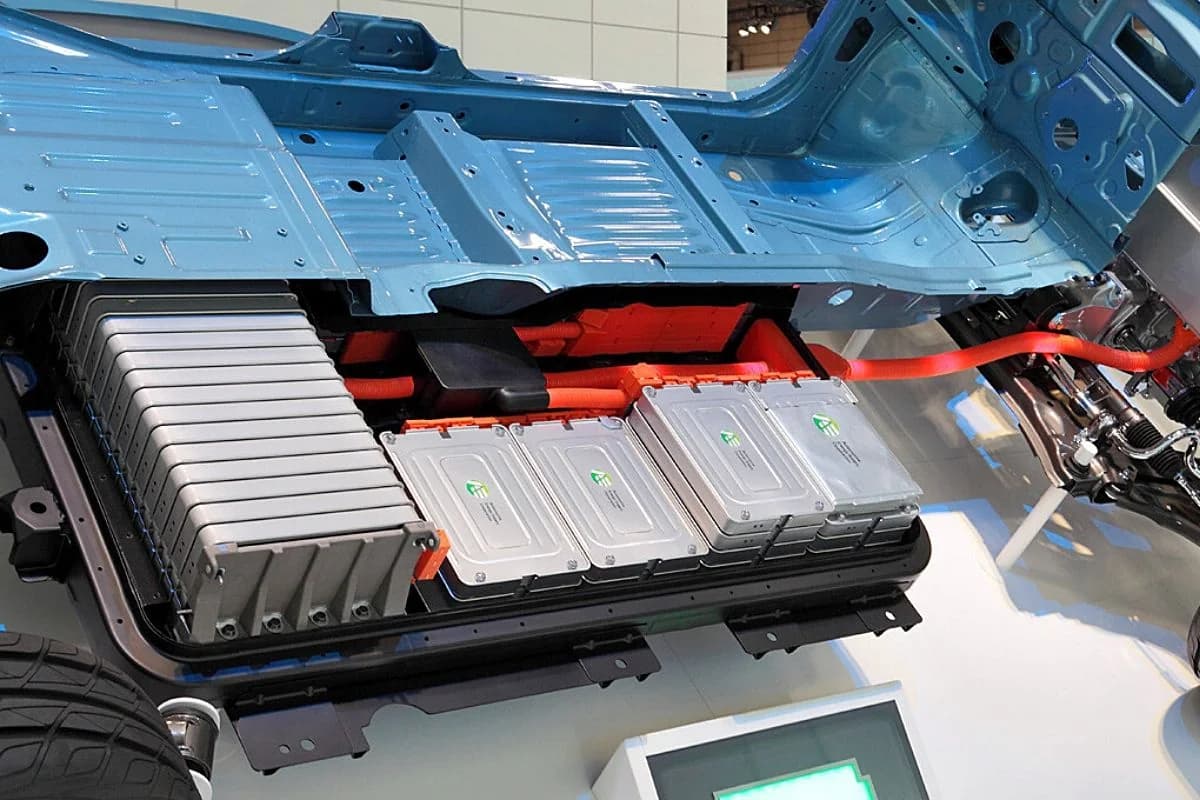
A usable pack is heavy. Cells, structure, cooling plates, contactors, enclosure, all of it. A compact performance sedan that would weigh 3,400 pounds with a gas engine lands closer to 4,100 as an EV. A Taycan is over 5,000. An electric full-size truck can pass 9,000, and the Hummer EV's pack on its own weighs more than a whole Miata.
Mass does three things, all of them bad:
- It slows direction change. Inertia doesn't care how much power you have. The car takes longer to rotate and longer to settle.
- It eats consumables. Tires and brakes work in proportion to mass. A heavy EV chews through both faster than its power figure suggests it should.
- It hides until it can't. A low center of gravity masks weight in steady-state corners. It reappears in transitions, in an esses section or a quick left-right, where the car has to stop doing one thing and start doing another.
That last point is the one people miss. A heavy EV can post enormous skidpad numbers and still feel inert, because feel lives in transitions, not in peak lateral g.
What the good ones do about it
Nothing solves mass. The cars that drive well simply plan around it: a stiff structure, real damping control, brakes sized for the weight rather than for the badge, and steering that stays honest when the car is loaded up.
Adaptive dampers earn their keep here more than on almost any combustion car, because they can dial in rebound control to catch a body carrying more momentum. Rear-biased torque split helps too. A car that will rotate on throttle always feels lighter than one that pushes.
And tires. Always tires. A good chunk of the "EVs feel numb" complaint is really a complaint about the low-rolling-resistance rubber fitted from the factory to protect a range figure. Put proper summer tires on a Model 3 Performance and it becomes a noticeably different car, at a cost of maybe eight percent of your range.
The honest version
Instant torque makes an EV feel fast at every speed you actually use on a public road, which is why they're so satisfying in traffic and so easy to drive quickly without being good. Weight makes them feel large everywhere else, and no amount of software fixes that.
If your definition of a good car is the first three seconds, EVs already won and the argument is over. If it's the fourth corner of a mountain road on cold tires with a downhill entry, the argument is wide open. That second one is the argument worth having, and it's the one manufacturers keep declining to enter.