Two EVs wearing the same 300-mile range badge can behave completely differently on a long drive, and the reason usually comes down to three or four letters nobody reads on the spec sheet: NMC or LFP.
Same battery, different rules
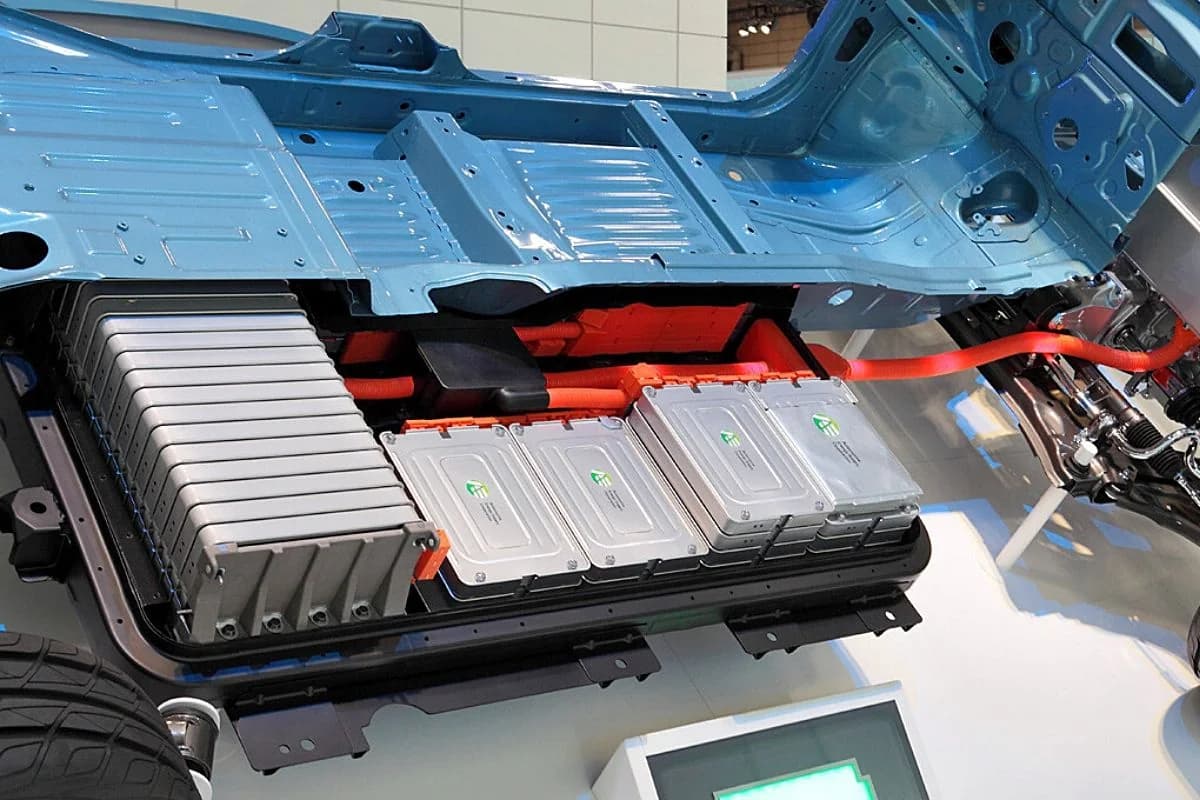
Both are lithium-ion. The difference is what the cathode is made of, and that decides almost everything about how the pack behaves in your hands.
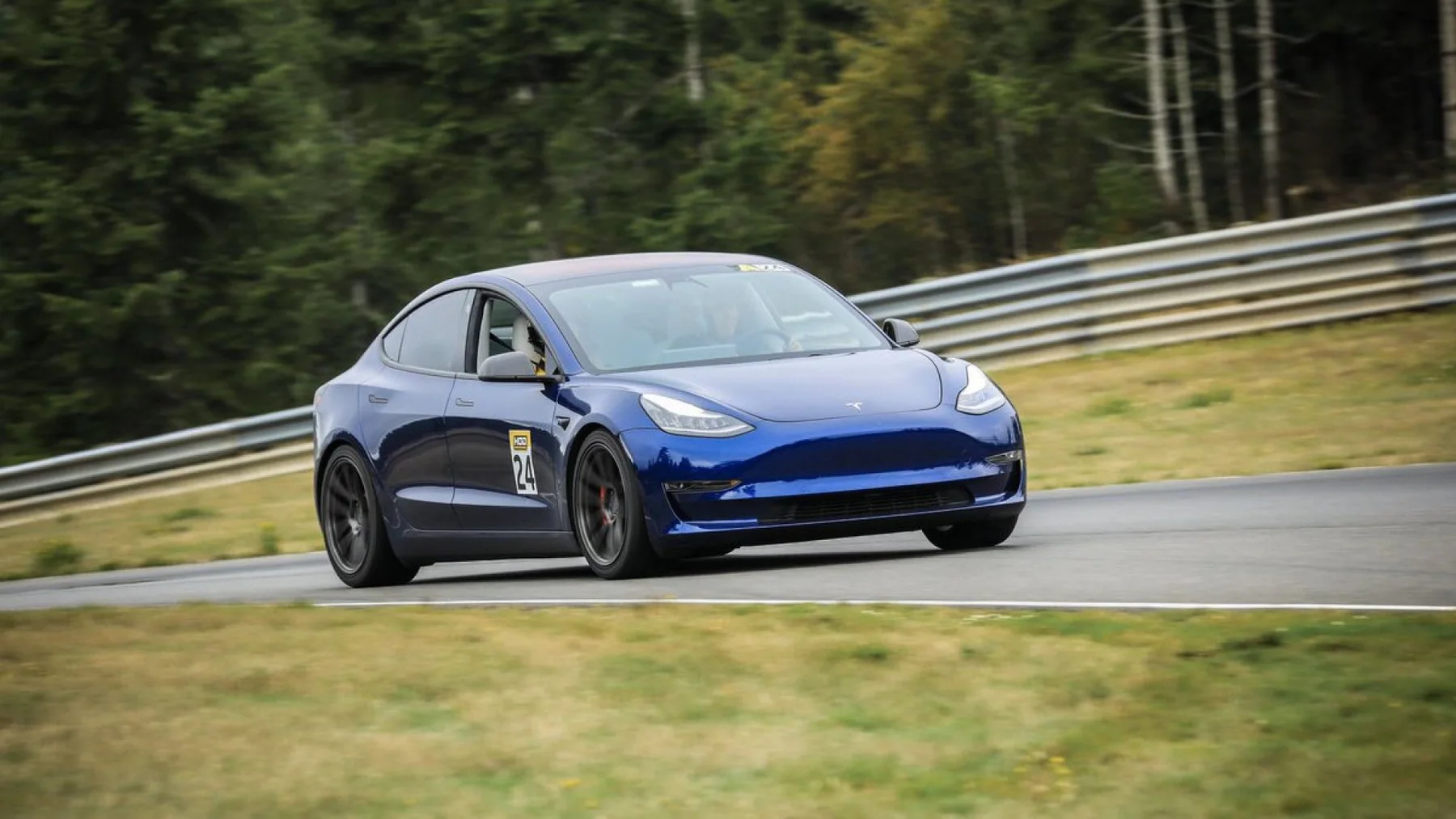
NMC, nickel manganese cobalt, and its close relative NCA are the nickel-rich chemistries. High energy density, meaning more kWh per kilogram, which is why every long-range and performance EV uses them. NCA sits in a lot of long-range Teslas. NMC is the default nearly everywhere else.
LFP, lithium iron phosphate, drops the nickel and cobalt entirely. It stores less energy per kilogram, so an LFP pack of equivalent range is heavier and bulkier. In exchange it's cheaper, far more tolerant of abuse, and good for a lot more cycles.
What each one is actually good at
Nickel chemistries give you range and power density, and they want to be babied. Sitting at 100 percent state of charge accelerates calendar ageing, which is why manufacturers using them tell you to set a daily charge limit around 80 percent and only fill to 100 before a long trip. That isn't a scam or a software excuse. It measurably slows degradation.
LFP flips the advice. You're supposed to charge it to 100 percent regularly, because the battery management system needs a full charge to recalibrate its state-of-charge estimate. LFP has a famously flat voltage curve, and without that reference point the computer genuinely struggles to know where it is. LFP packs also shrug off repeated DC fast charging and typically deliver two to three times the cycle life.
The trade is cold weather. LFP loses noticeably more in low temperatures, both in range and in how fast it will accept a charge. If you live somewhere with real winters and you road trip often, that matters more than the cycle-life advantage ever will.
The charging curve is the actual spec
Manufacturers advertise peak charging power. It's close to meaningless.
A pack only accepts its maximum rate in a narrow window, usually at a low state of charge with the cells already at temperature. That headline number might hold for three minutes before the management system starts tapering, and by 60 percent you can be at half of it. By 80 percent you're crawling. The last 20 percent frequently takes as long as the first 60.
This isn't laziness. Pushing high current into a nearly full cell drives lithium plating, which permanently destroys capacity. The taper is the pack protecting itself from you.
Why 10 to 80 is the number that matters
Ask for the 10-to-80 percent time, not the peak kW. It's the only figure that maps to what you actually do at a charger: arrive low, take enough to reach the next stop, leave.
Two things drive it.
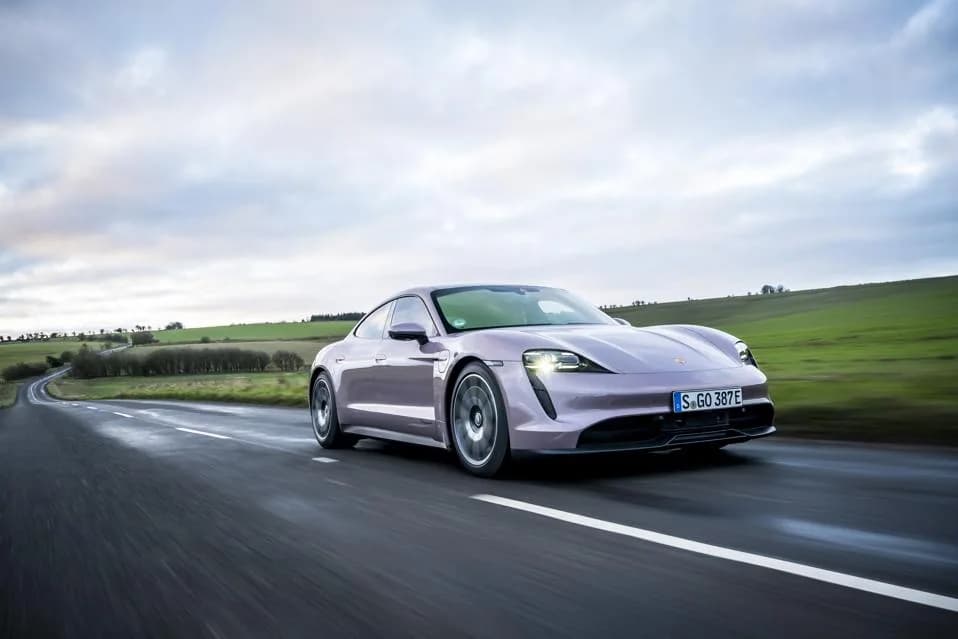
- Pack voltage architecture. 800-volt cars, the Taycan and the E-GMP family like the Ioniq 5 and EV6, can move more power at lower current, which means less heat and a flatter curve. Somewhere around 18 to 20 minutes for 10 to 80 is realistic on a healthy charger. 400-volt cars are usually closer to half an hour, often worse.
- Preconditioning. If the car heats the pack on the way to a stall, you hit peak rate on arrival. If it doesn't, you spend the first ten minutes warming up on the charger's clock. Navigate to the charger using the car's own nav system every single time. It's the biggest free improvement available to your charging speed and most owners never do it.
Which one you want
If you do short trips and charge at home, LFP is the easier ownership experience by a wide margin. Charge to 100 every night, stop thinking about it, and the pack will comfortably outlast your interest in the car.
If you road trip, want maximum performance, or live somewhere genuinely cold, take the nickel chemistry and live with the 80 percent habit. Performance EVs are all nickel-based anyway, because LFP can't deliver the discharge rate a 600hp car demands without a pack heavier than anyone wants to sell.
The useful takeaway is smaller than the argument around it. Know which chemistry you have, and follow its rules. Charging an LFP car to 80 percent forever will slowly scramble its state-of-charge readout. Leaving a nickel car parked at 100 percent through a hot summer is quiet damage you'll pay for at resale. Neither chemistry is better. They just want different things from you, and the manual is the last place anyone looks.