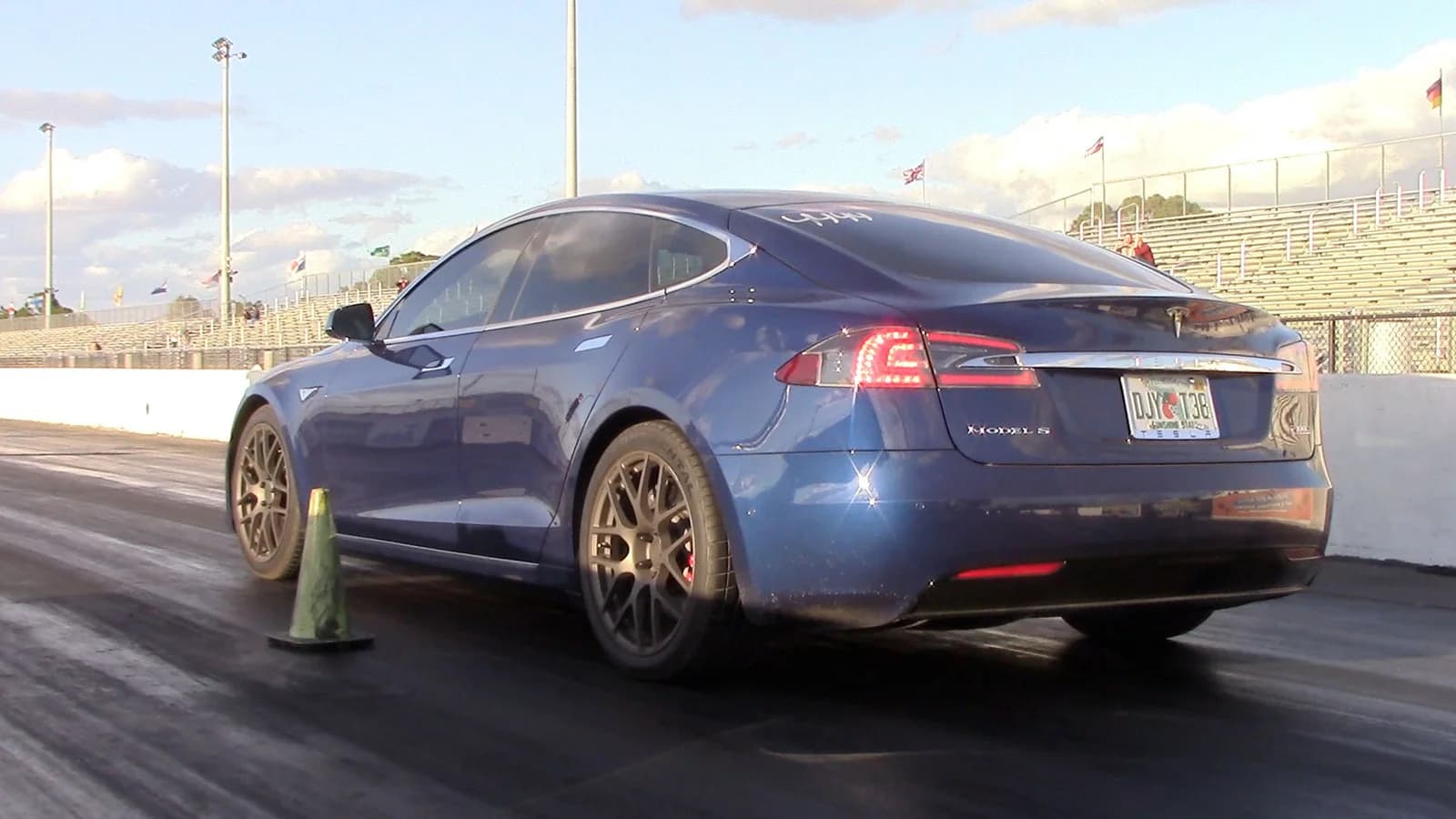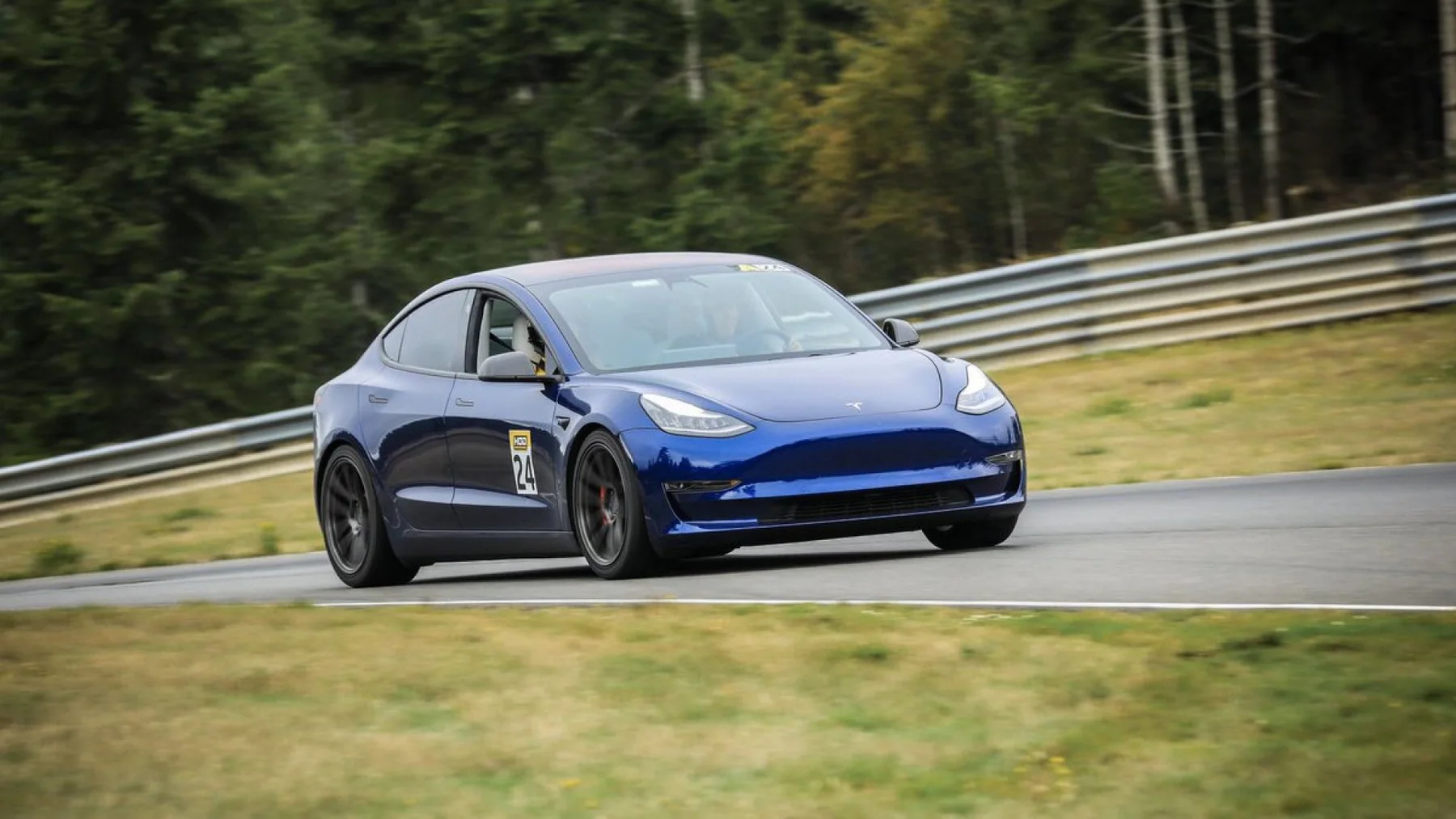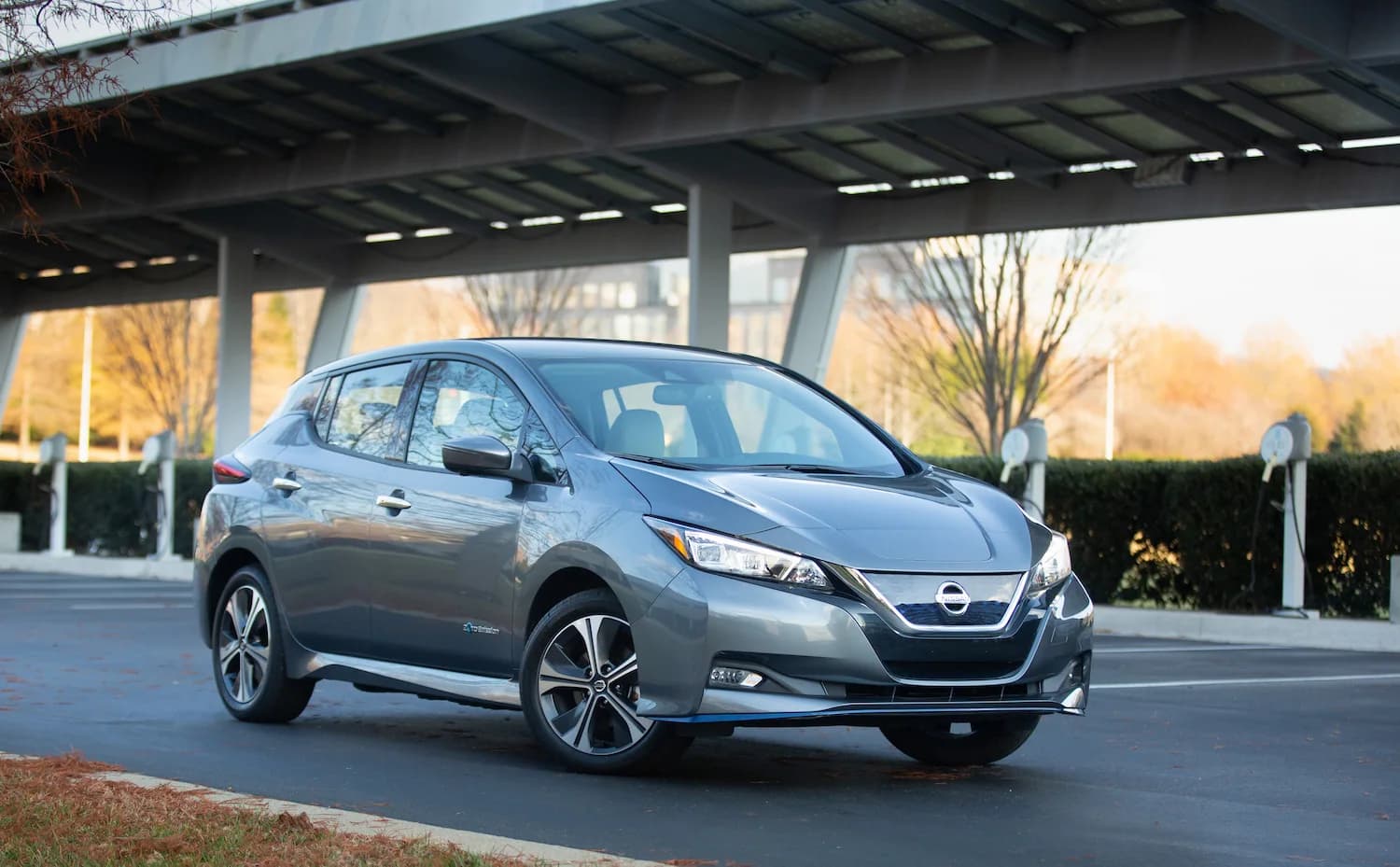
The complaint always arrives phrased the same way, usually from someone who has never driven one. EVs have no soul. It's lazy, it's repeated constantly, and it's roughly forty percent correct, which is precisely why it refuses to die.
State the case properly first
Strip out the tribalism and the argument goes like this. A car is a machine you build a relationship with, and that relationship runs on feedback. The sound of an engine loading up. Vibration through the shifter. The way a cold engine behaves differently from a hot one. The sense that there are parts in there doing violent work on your behalf.
An EV deletes most of that channel. It's quiet, it's smooth, it behaves identically at every temperature, and it doesn't reward mechanical sympathy because there's very little mechanism to sympathize with. You can't heel-toe it. You can't money-shift it. Nothing you do makes it sound better.
That's a real loss. Pretending otherwise is how EV advocates lose this argument every time they have it.
Where the complaint falls apart
Sound is one input, not the whole relationship. If noise equalled soul, the loudest cars would be the most loved, and anyone who has stood next to a straight-piped truck at a meet knows how that theory performs.
The cars enthusiasts genuinely cherish are cherished for feedback, not volume. A Miata is neither fast nor loud. An E30 is neither. What they have is steering that talks, low mass, and a chassis you can read through your hands and the seat of your jeans. Those are engineering choices, and not one of them requires combustion.
There's a second hole in it. Plenty of sacred cars were quiet. Early Lotus stuff sounded thin and buzzy. Air-cooled Beetles sounded like a sewing machine falling downstairs. Nobody argues those cars lack character.
The fake sound question
This is where it gets genuinely interesting, because manufacturers know exactly what's been lost and are actively trying to synthesize it back.
Dodge built a physical acoustic chamber into an electric muscle car so it would make a real noise instead of a speaker noise. BMW hired a film composer to write the sounds its electric cars make under load. Hyundai went furthest with the Ioniq 5 N, simulating an eight-speed gearbox complete with torque interruption on the upshift, so the car physically pitches when the fake shift lands.
Half the internet calls all of it a lie. The other half points out that combustion cars have been piping engine noise through the stereo for over a decade, that active exhaust valves are pure theater, and that turbo whistle is an accident of engineering that people simply decided to love.
Both are right, and the useful distinction is whether the simulation carries information. A noise layered over the top is a ringtone. A simulated shift that actually cuts torque and changes the car's attitude is a control input, and your brain reads it as real because in every way that matters to a driver, it is.
What would actually fix it
Not sound. Weight.
Most EVs feel soulless because they're heavy, over-assisted, over-damped and calibrated for a buyer who prizes smoothness above everything. Every one of those is a decision rather than a consequence of electric propulsion. Put a 300hp motor in a 2,600-pound shell with honest steering and a rear bias and you'd have something enthusiasts would fight over. Nobody sells it, because it wouldn't do 300 miles, and range is what closes deals.
That's the honest core of the whole thing. EVs aren't soulless because they're electric. They're soulless because the market wants big batteries, big screens and big cars, and physics handles the rest.
Where that leaves the argument
The critics are right that something real has been lost and that most current EVs don't replace it with anything. The advocates are right that soul was always about feedback and involvement, and that both can be engineered back in by anyone willing to try.
What neither camp likes admitting is that the industry has almost no commercial reason to bother. The Ioniq 5 N exists because Hyundai wanted to prove a point, and it was never a volume product.
So the answer to whether EVs have soul is that a couple of them do, deliberately, and the rest were never attempting it. Judge the cars, not the powertrain. That's the standard you'd demand for a base automatic four-cylinder anything, and nobody has ever claimed combustion is soulless just because that car exists.