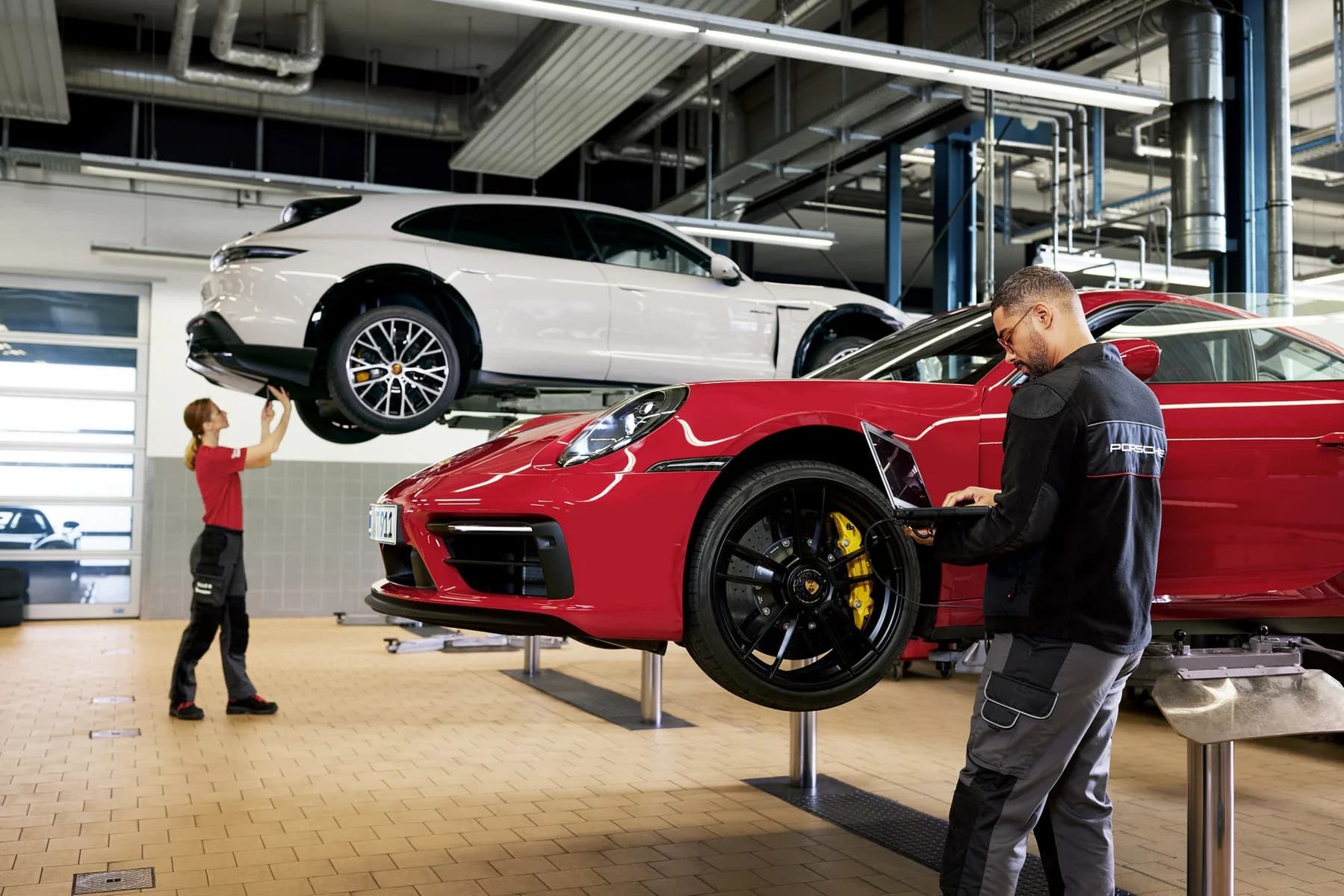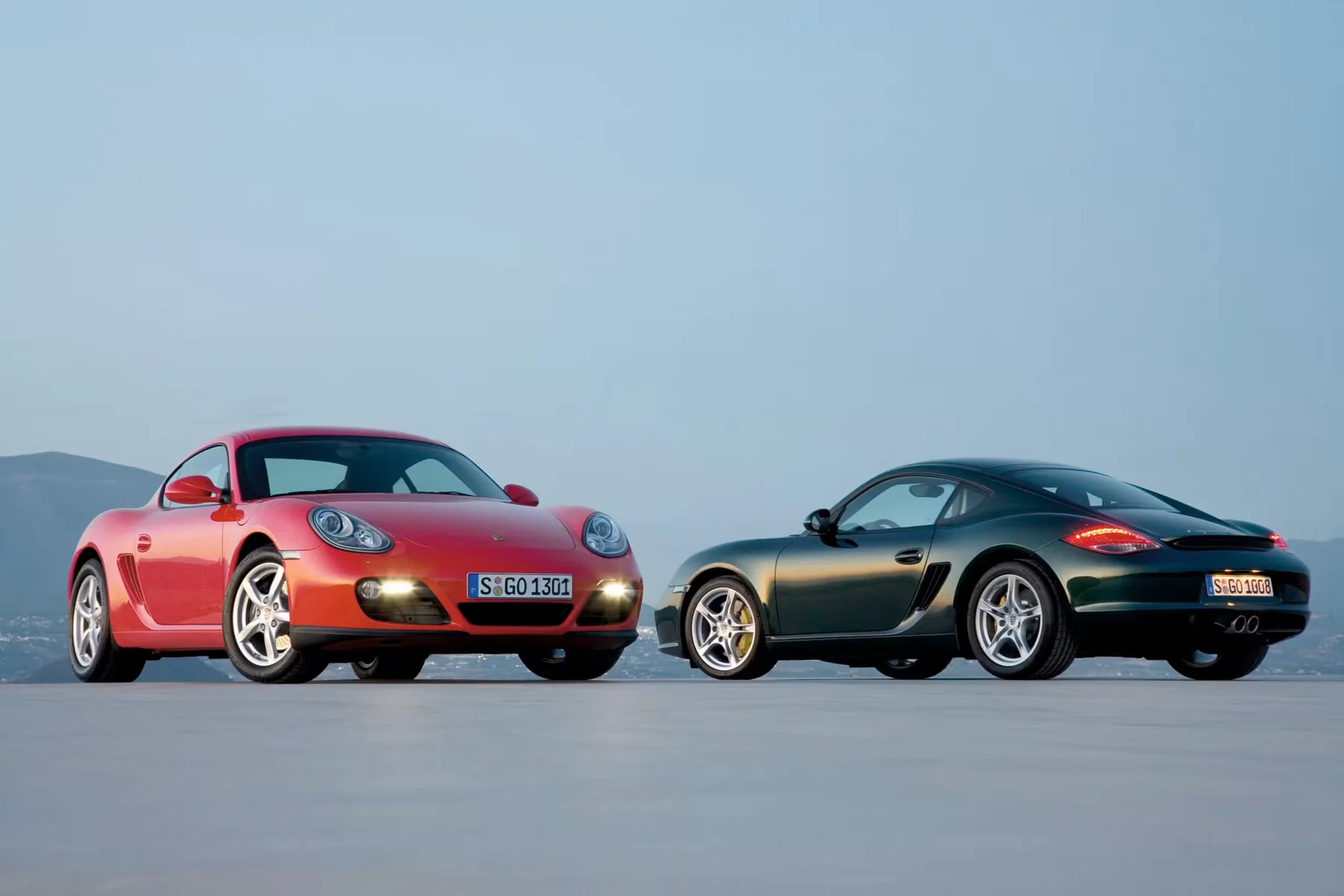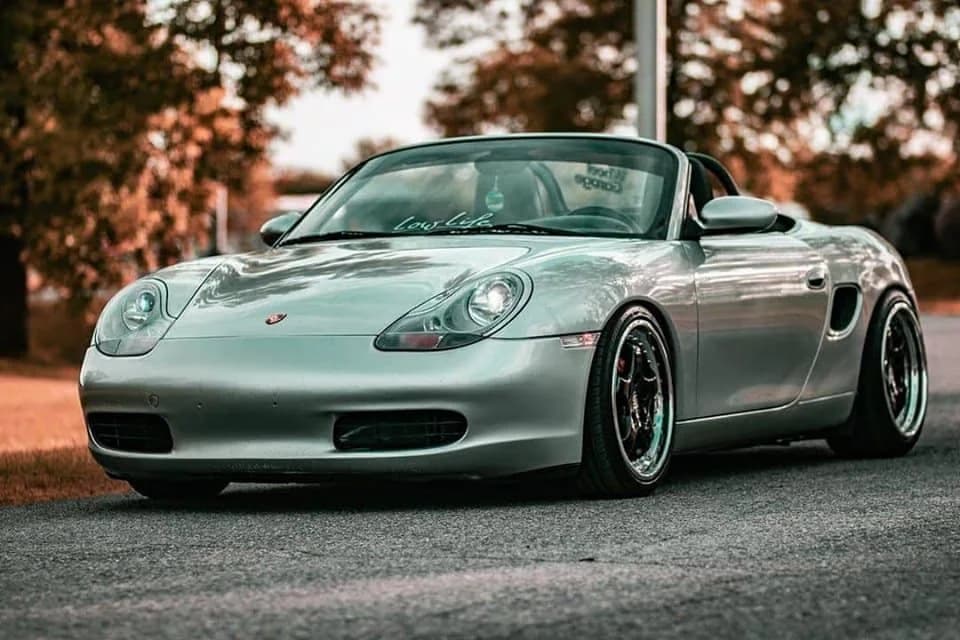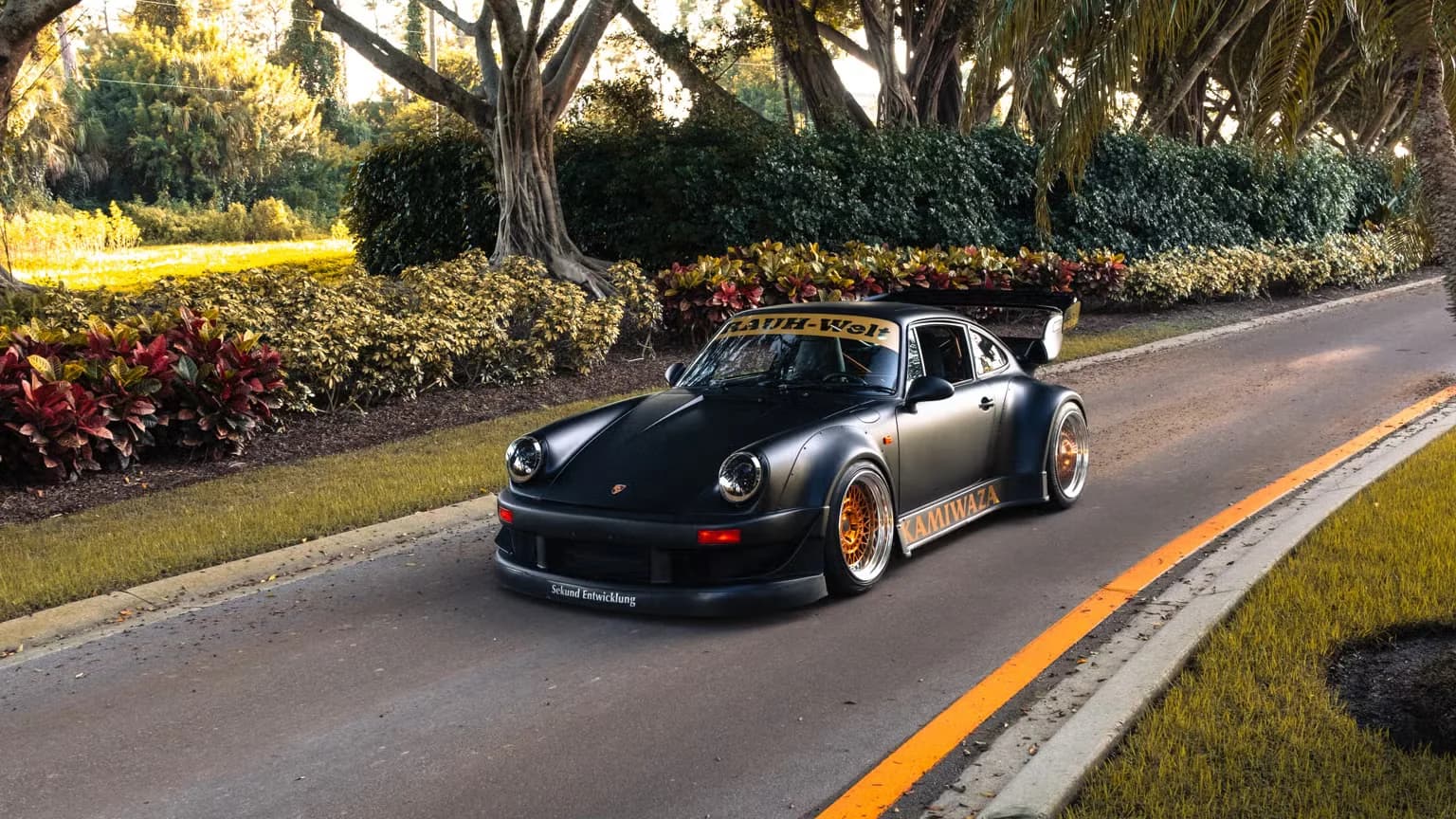
A 911 from the 1960s and a recent one are visibly related. That is an unusual achievement, but it can also obscure the more interesting story: Porsche has kept changing the substance beneath that recognizable outline.
The name is continuous. The engineering is not frozen. Understanding the difference makes the 911 more interesting than the familiar claim that Porsche has spent decades building the same car.
Continuity through major changes
The model appeared as the 901 in 1963 and entered the market as the 911 in 1964. Porsche's eight-generation retrospective tracks several turning points: the 964 brought all-wheel drive to the Carrera 4, the 993 closed the air-cooled chapter, and the 996 introduced a water-cooled engine to the 911 line. These were changes to how the car worked, not merely its headlights. Porsche's generation history
Porsche retained the rear-engine arrangement from the original concept. The first 911 combined that layout with an air-cooled six-cylinder boxer engine; the cooling method would eventually change while the engine's location remained central to the production model's identity. Porsche's account of the original 911
That distinction is the thread worth following. Continuity does not require every component to survive. It requires a manufacturer to decide what matters and keep developing around it.
One name, several different jobs
A Carrera, a Targa and a GT model answer different questions. Some buyers want a sports car that can handle everyday journeys. Others want an open roof, a particular transmission or a much more focused setup. Treating the entire family as one purchase recommendation throws away the information that makes those choices meaningful.
The badges also need dates attached. A familiar suffix does not tell you exactly what equipment a car has across every generation and market. Confirm the specification of the actual example, including factory options and subsequent modifications, rather than shopping from a shorthand hierarchy.
Our editorial preference is to begin with use. A weekend road car and a regular circuit car place different demands on comfort, running costs and equipment. The more expensive version does not automatically solve those demands better.
Condition is part of the experience
An older 911 is also a collection of previous owners' decisions. Originality may matter to one buyer; documented improvements may matter more to another. Neither a low odometer reading nor a long modification list establishes that a car is ready to use.
Ask for service records, identify the exact engine and transmission, and arrange an inspection with someone who knows that generation. Describe how you intend to use it. A useful inspection produces model-specific findings and a repair plan, rather than a generic assurance that it is “clean.”
It is also worth driving more than one version if practical. You may discover that the shape you have admired for years contains a very different experience from the one you wanted.
What stays constant
The 911's appeal is the conversation between familiarity and change. You can recognize the family while arguing about almost every member of it. That makes it fertile ground for owners, builders and enthusiasts rather than an object whose history is already settled.
The best reason to choose one is a specific connection to a specific car. The silhouette gets you interested. The way that example fits your life should finish the decision.
Updated September 5, 2026.