The used EV market is the best value in cars and the worst place to be careless. Depreciation has been savage, which means an enormous amount of car for the money, provided the expensive part still works.
So check that the expensive part still works. Here's how.
What degradation actually looks like
Most packs lose capacity fastest early on and then flatten out. A typical modern EV drops a few percent in the first year or two, then settles into a slow decline, landing somewhere around 85 to 90 percent of original capacity by 100,000 miles. That isn't a failure. That's a battery behaving normally.
What kills packs is heat and time spent at a high state of charge. A car that lived outside in a hot climate, permanently plugged in at 100 percent and DC fast charged constantly, is a completely different proposition to one that trickled off a home charger somewhere mild.
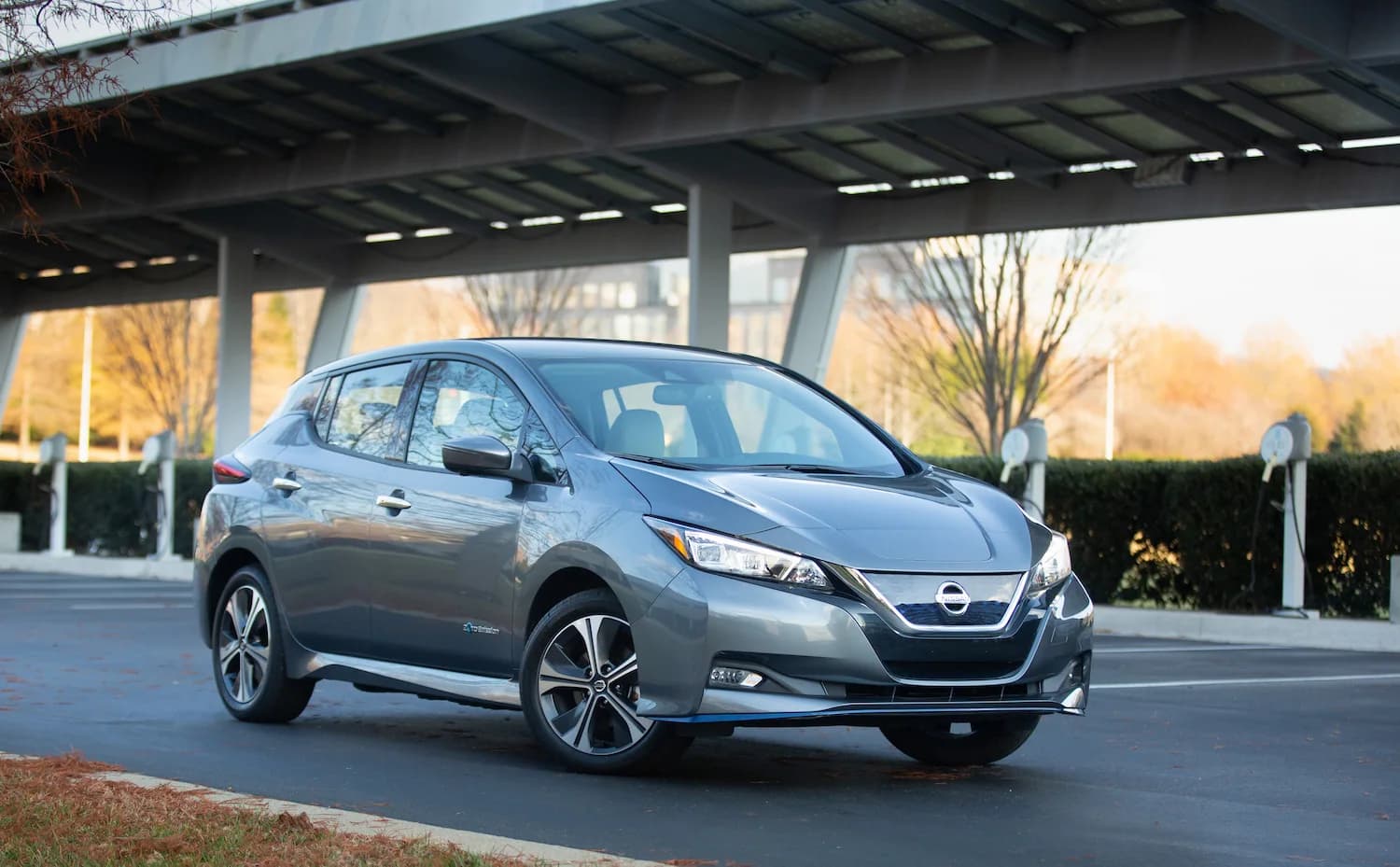
The cars with genuinely bad reputations earned them through cooling, not chemistry. Early Nissan Leafs used passive air cooling with no real thermal management, and in hot states they degraded fast enough to become a cautionary tale. Anything with a liquid-cooled pack is playing a different game entirely.
How to measure it properly
The range estimate on the dash is not a measurement. It's a rolling average of recent driving, and a few gentle trips will flatter it.
Do this instead.
- Pull real numbers with an OBD dongle. A cheap Bluetooth adapter and an app that speaks your car's language will give you actual pack capacity, cell voltage spread, and often a count of DC fast charge sessions. Cell imbalance is the thing to watch. A wide spread between highest and lowest cell is worse news than a few percent of missing capacity.
- Ask for a manufacturer battery health report. Several brands will run one at a dealer and some cars generate one on demand. It's a document, and a seller who won't produce one is telling you something.
- Charge to 100 and read the usable kWh, then compare against the original spec. Slow, but it's the closest thing to a direct measurement you can manage in an afternoon.
The warranty is the real asset
In the US the floor is 8 years or 100,000 miles on the traction battery, and most manufacturers commit to replacing a pack that falls below around 70 percent capacity inside that window. California-emissions cars frequently carry 10 years or 150,000 miles instead.
That coverage generally transfers with the car. A five-year-old example with 40,000 miles has three years of catastrophic-failure insurance attached. A nine-year-old one has none. Price the remaining warranty like it's a component, because an out-of-warranty pack replacement can cost more than the car is worth.
One quirk worth knowing: the Chevy Bolt recall put completely fresh packs into a lot of those cars, with the warranty clock restarted on the replacement hardware. A recall-completed Bolt is one of the few used EVs where you're buying a barely used battery inside an old car, and the asking prices have never fully reflected that.
Everything that isn't the battery
- 12-volt battery. The single most common reason an EV strands somebody. Cheap. Assume it needs replacing if it's original.
- Tires and suspension. Heavy cars destroy both. Look for inner-edge wear and tired bushings, especially on anything that's been on aftermarket wheels.
- Brakes. Light surface rust from disuse is normal on one-pedal cars. Rust flaking off the friction face of the rotor is not.
- Coolant loops and heat pump. Get any thermal or HVAC fault history checked. Those repairs are not cheap and they're not DIY.
- Charging hardware. Test AC and DC charging before money changes hands. A dead onboard charger is a nasty surprise.
Roughly what buys what
Prices swing hard by region and by month, so treat these as shapes rather than numbers. At the bottom, high single digits into the low teens, you're in early Leaf, i3, e-Golf and older Bolt territory. City cars with real range compromises and, in a couple of cases, real pack risk.
Mid-to-high teens gets you liquid-cooled 200-plus-mile cars: later Bolts, Kona Electric, Niro EV, early Model 3s. Into the twenties and thirties, the market is full of three-year-old Model 3s, Mach-Es, Ioniq 5s and EV6s that surrendered half their value to depreciation and none of their capability. That last group is where the actual bargains are.
The honest close
Buy the pack, not the car. Two mechanically identical cars can be five years apart in real terms depending on climate, charging habits and cooling design, and the only way to know which one you're looking at is to plug something into the OBD port and read it.
Do that one thing and a used EV goes from the riskiest purchase in the classifieds to the best-value one. Skip it and you've bought a lottery ticket with a nice interior.