The motor is the cheap part. That sentence is the entire education, and most people learn it the expensive way.
Somebody finds a wrecked drive unit for a couple of grand, does some quick math, and concludes they can electrify a shell for the price of a used engine. Then they meet the other eleven things they have to buy.
What an EV swap actually consists of
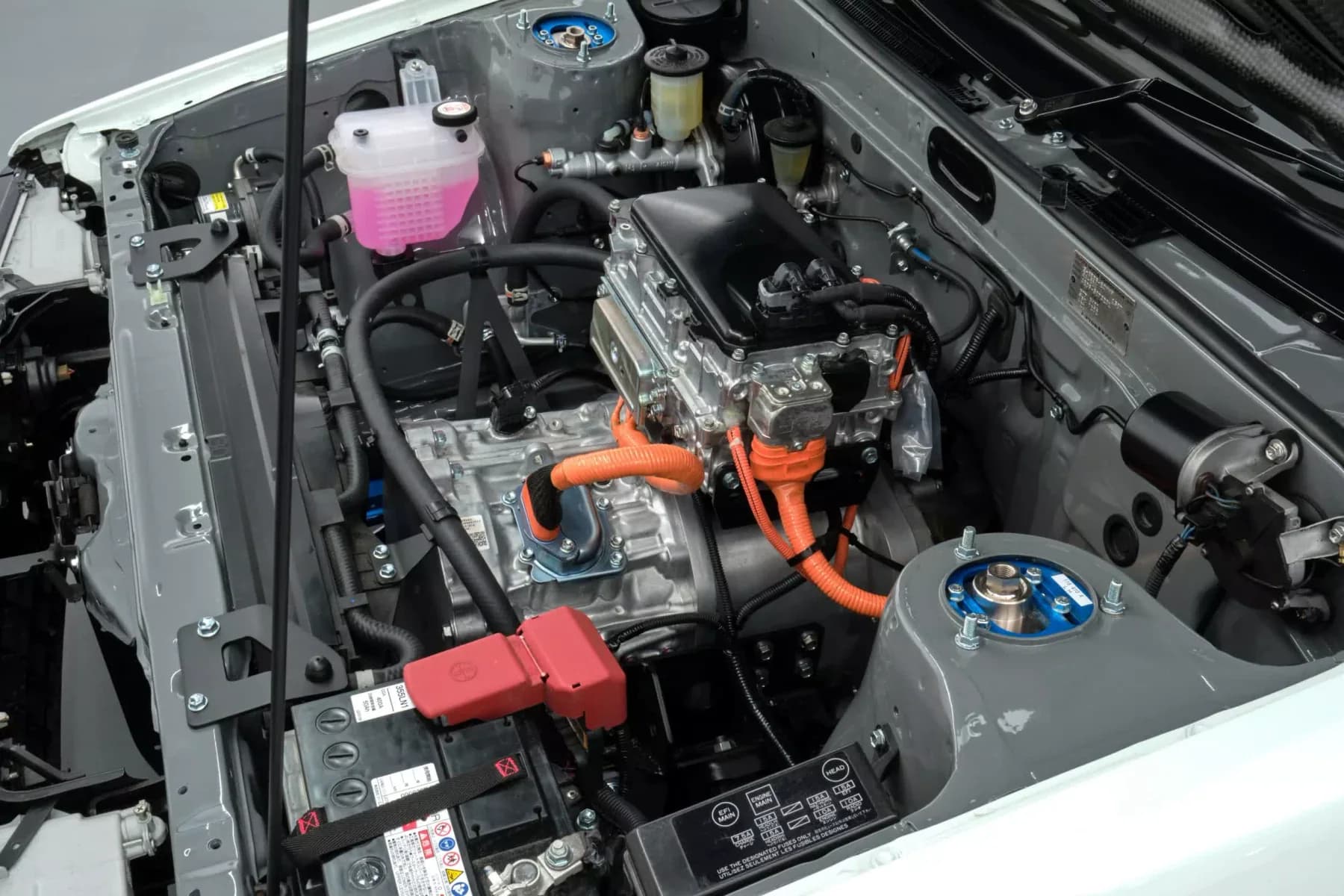
A running electric car is a system, and you have to build all of it:
- Traction motor and reduction gearbox. The bit everyone budgets for.
- Inverter and controller, plus a way to make it talk to a throttle pedal originally designed for a cable.
- Battery pack. Modules from a wrecked donor or new cells, plus a structural enclosure you fabricate yourself.
- Battery management system. Non-optional. This is the thing that stops your project burning your garage down.
- On-board charger, DC-DC converter, contactors, fuses and high-voltage cabling.
- Cooling loops for the pack and the drive unit, with pumps and a radiator.
- Vacuum pump or electric brake booster, because you just deleted whatever was making your brakes work.
- Electric power steering, for the same reason.
- Cabin heat, since there's no engine coolant left to steal warmth from.
Every line on that list carries a price, a mounting problem and a wiring problem.
The three ways people do this
The crate route. Ford and Chevrolet both sell electric crate motors aimed at exactly this job, and several established vendors sell motor-and-adapter packages that bolt to a stock bellhousing so you keep the original gearbox. Cleanest path, best documented, most expensive per horsepower. Output tends to be modest. Think proper hot-rod money for warm-hatchback performance.
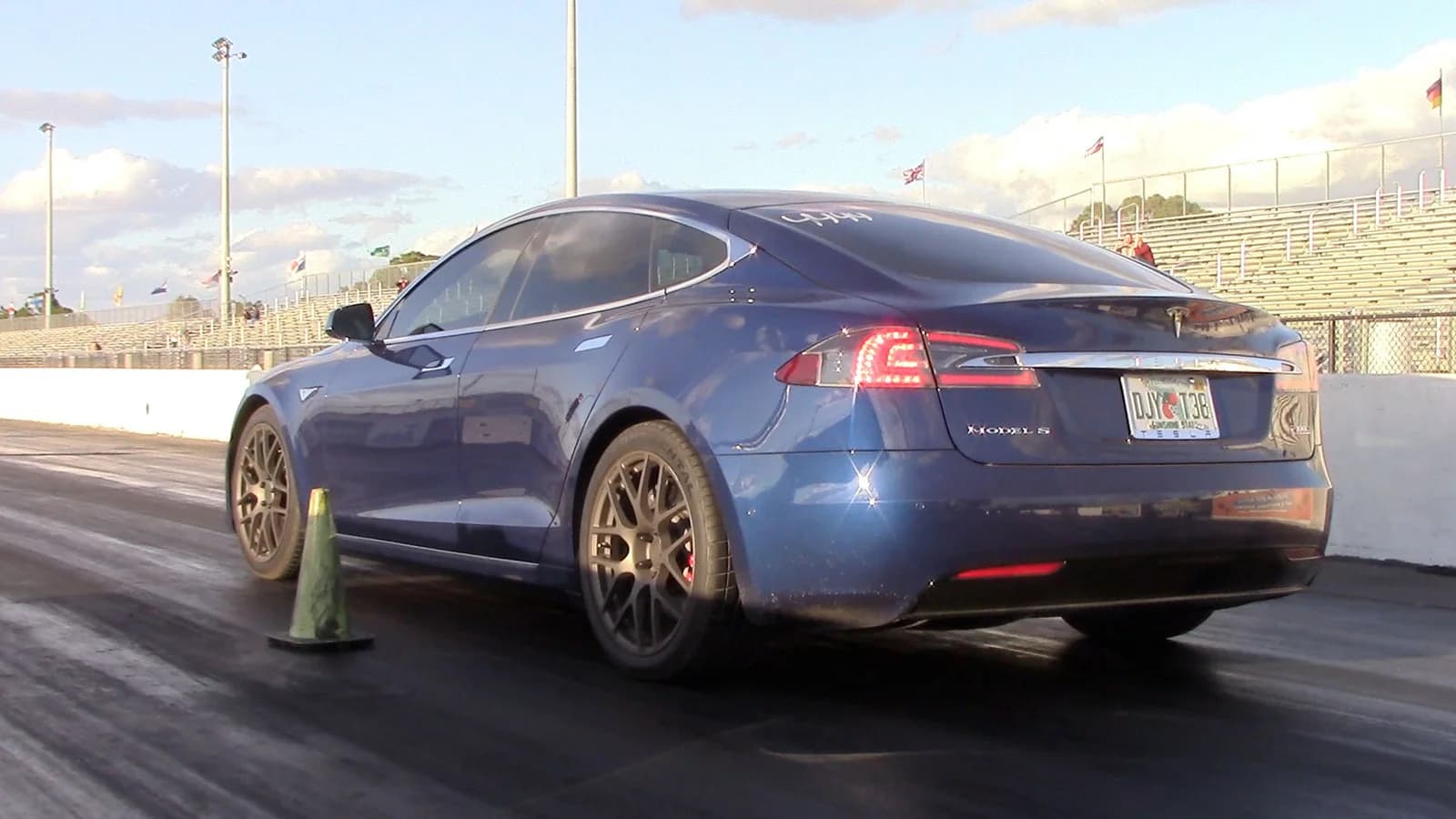
The salvage route. A rear drive unit out of a wrecked Tesla, modules from the same donor, an aftermarket controller to run it. Far more power per dollar, far more work, and you are the systems integrator whether you meant to be or not. Most of the genuinely interesting builds live here. So do most of the abandoned ones.
The turnkey route. A shop does it. Conversions on desirable classics run well into six figures, and you're buying somebody else's engineering rather than doing your own.
What it costs, honestly
A competent DIY swap into a light shell, with a usable pack and proper safety hardware, generally lands somewhere in the twenty-five to sixty thousand range depending on how much you fabricate, how much power you want, and what salvage packs happen to cost the month you're shopping. Those numbers move constantly and they move by region.
That's more than the donor car in nearly every case. Budget accordingly, then add the parts nobody counts: springs and brakes. A swap typically lands 300 to 600 pounds heavier than the engine and fuel tank you removed, and that mass sits wherever the pack physically fit rather than where the chassis wanted it. Reworking spring rates and upgrading brakes isn't finishing work, it's part of the build.
Then insurance, inspection, and whatever your local rules say about a car that no longer matches its title description. Sort that out before you cut anything, not after.
The purist argument, taken seriously
The case against is stronger than the internet's version of it. An engine is a car's identity in a way a gearbox or a set of wheels isn't. A specific engine is frequently the entire reason a specific car exists, and a conversion deletes precisely the thing that made it worth saving. Conversions also tend to demand irreversible cuts, and a converted classic is worth less than an original one to nearly every buyer who'll ever look at it.
The case for is just as strong. Engine swapping has been this culture's core activity for sixty years, and nobody calls an SR-swapped 240 or a K-swapped Miata a betrayal of anything. A shell with a seized, unloved engine and no numbers-matching value is a better object driven than parked. And in cities with tightening emissions zones, a conversion is the difference between an old car being used and an old car being furniture.
Where both camps quietly agree: don't do it to something rare, original and celebrated for its engine. Do it to the millionth Beetle, the E30 with a dead M20, the shell that was already somebody's abandoned project.
The part nobody warns you about
A converted classic is faster, quieter and vastly easier to live with than it was. It's also a different car, and the difference isn't only the sound. A light old chassis carrying a modern pack has weight in places it was never designed to carry weight, and the way it drives changes in ways no spec sheet will show you.
Do it because you want to build a system. Not because you want a shortcut to a fast old car. There isn't one, and there never has been.