A $5,000 driving budget can disappear into equipment before the first event. The better starting point is the activity: choose where you want to drive, identify what it requires and keep enough money available to attend more than once.
The allocation below is an editorial planning example in U.S. dollars. It is not a quotation, a promise of a particular number of events or a race-car build budget.
Start with the organizer's requirements
Autocross, instructed track days and wheel-to-wheel racing are different activities. Their equipment requirements differ too.
For example, the SCCA's autocross preparation page calls for a mechanically sound car, a valid driver's license and a suitable helmet, with loaners available in many regions. That is a very different starting point from building a caged competition car.
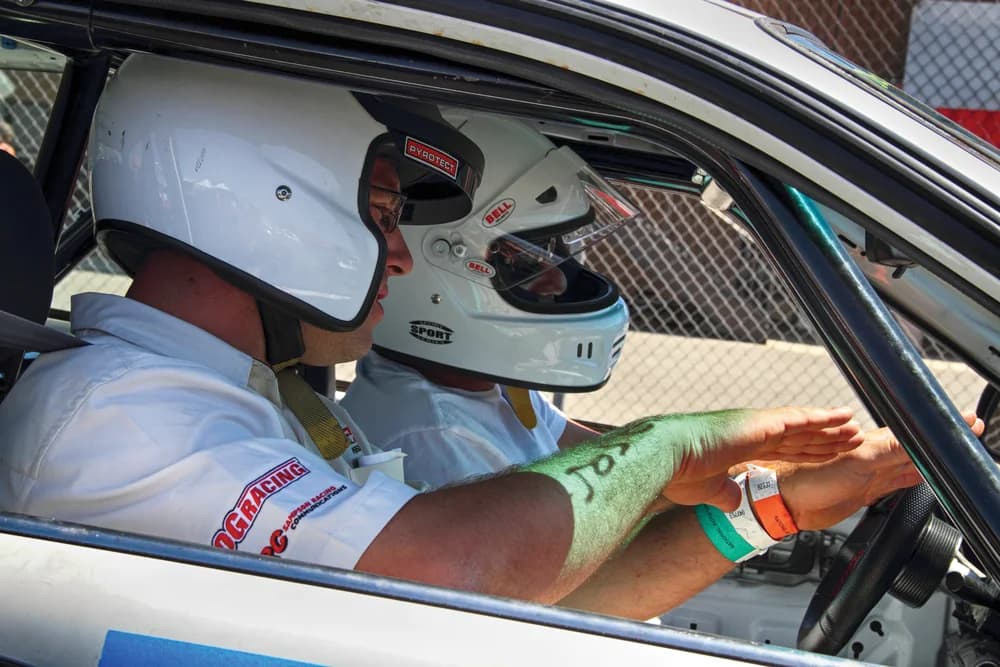
Confirm the rules for the specific event, including the helmet standards and dates it accepts. A helmet's price does not establish eligibility, fit or suitability for the activity.
Keep the road car's restraint system coherent
A racing seat or harness should not be an automatic first purchase for an ordinary road car attending an introductory event. Seats, belts, mounting points, head restraints and rollover protection need to be considered together.
A collection of individually approved parts is not proof of a suitable installation. If modifications are required for your chosen activity, obtain advice from the organizer and a qualified installer before buying them.
The FIA's equipment homologation resources help distinguish standards and approved equipment. Your event's regulations determine what applies.
A worked allocation
One possible $5,000 plan is:
- $700 reserved for personal equipment that the chosen events require.
- $1,200 for inspection, maintenance and any essential consumables.
- $1,800 for entry fees and instruction.
- $600 for travel, food and fuel.
- $700 held back for repairs or a change of plan.
Those are spending envelopes, not claims about market prices. Obtain actual quotes before booking. If the car needs substantial work, the event allocation must shrink or the total budget must change.
This example leaves simulation hardware out of the initial purchase. An existing computer, console or modest setup may already be enough to explore the activity between events.
Use a simulator for a defined job
A simulator can help with learning layouts, practicing procedures and reviewing consistency. It does not reproduce every sensation or replace instruction in the real vehicle.
If you decide to buy hardware, identify the problem first. An unstable mounting arrangement, awkward seating or unsuitable screen position may matter more than the prestige of the wheelbase.
There is no need to claim that a particular sensor type automatically teaches the wrong technique. Usability, consistency and the software setup matter.
Make the next event better
After each outing, record what you learned, which instruction helped and what the car needed. Separate a genuine equipment limitation from an unfamiliar technique.
A repeat visit can be valuable because it reduces the number of new variables. The same car at a familiar venue makes progress easier to understand than another round of modifications.
Spending the entire allowance at once removes that flexibility. Keep part of it available until experience tells you where it belongs.
The purpose of the budget is to support driving and learning. A smaller equipment pile with money left for the next event serves that purpose better than a garage full of purchases.
Updated September 5, 2026: replaced unsafe blanket equipment advice and unsupported prices with event-specific guidance and a clearly labeled planning example.