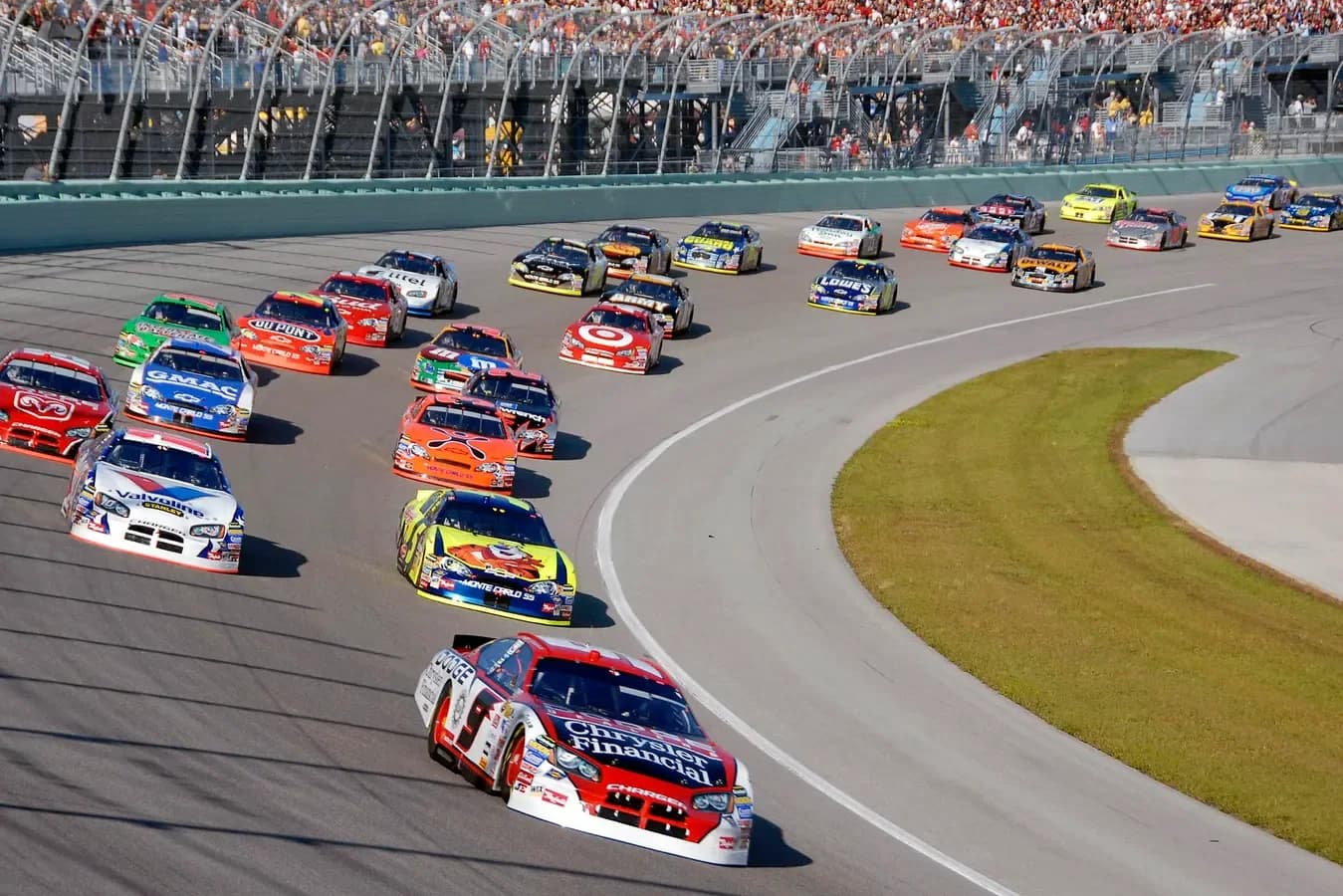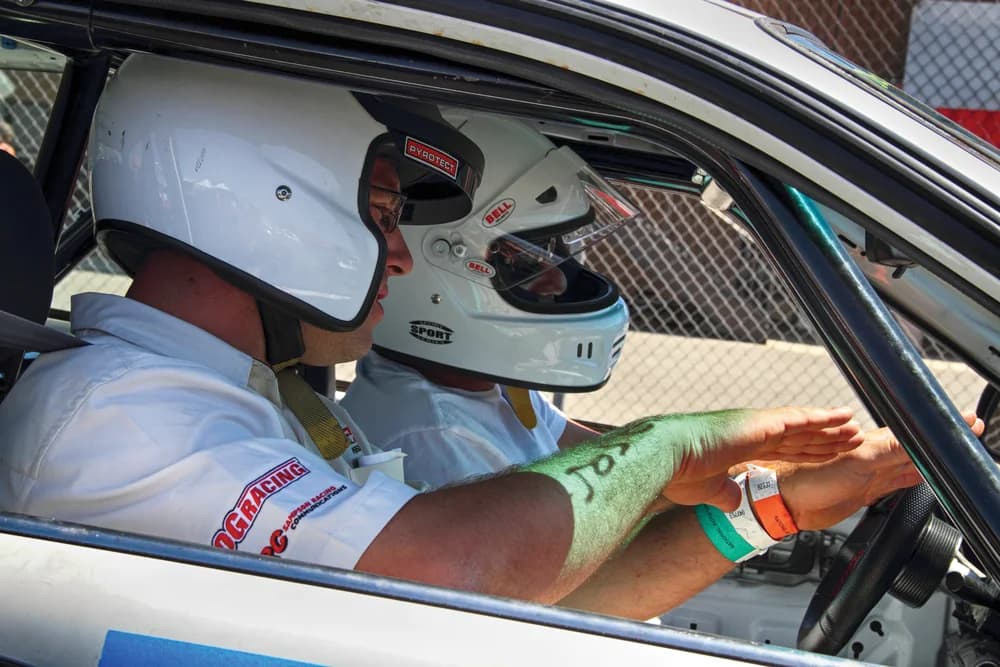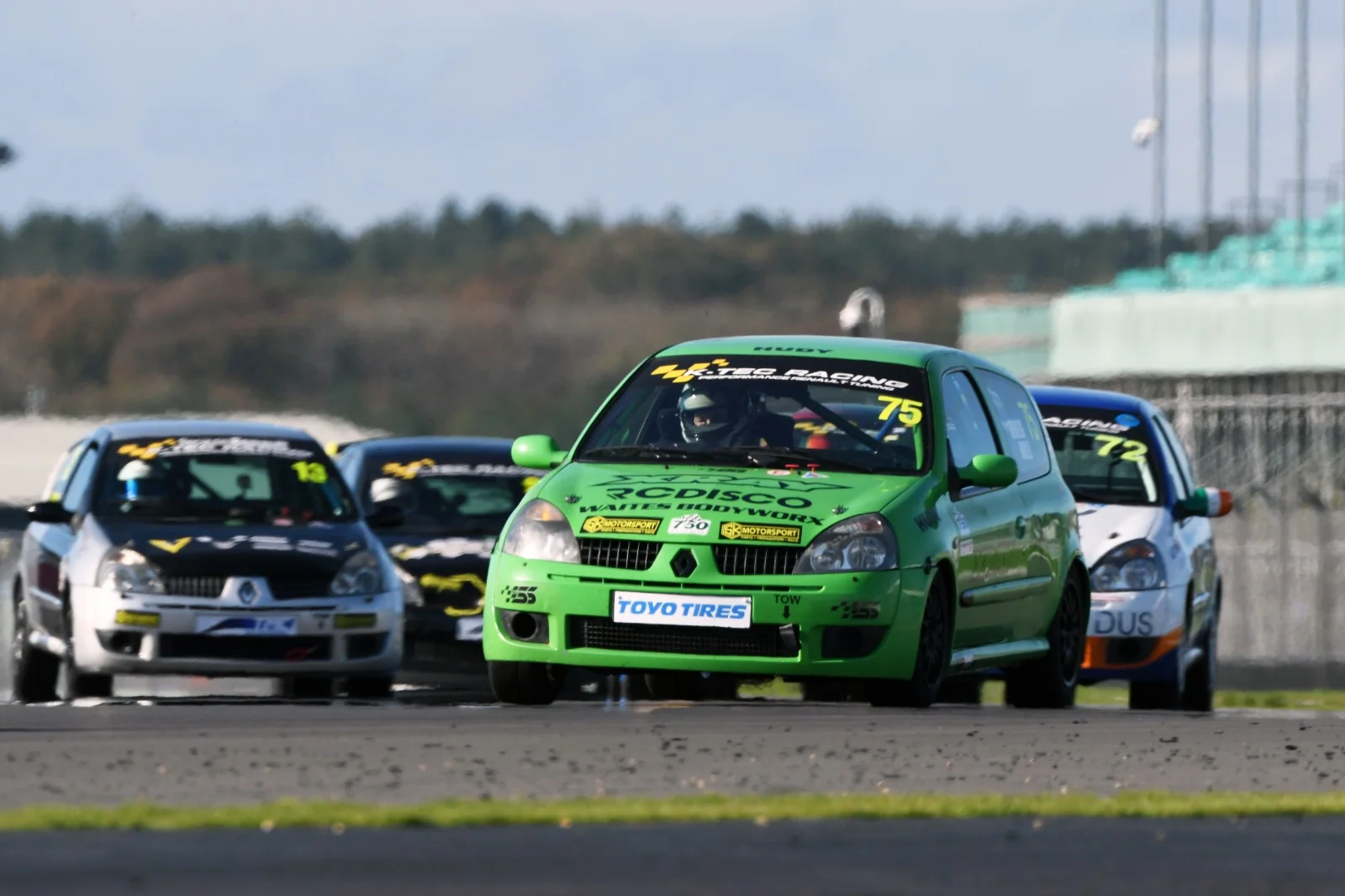
The first step toward racing is choosing the racing you want to do. That decision determines the license, school, car and equipment you need. There is no single compulsory ladder that every club follows.
Autocross, track education, time trials and wheel-to-wheel racing offer different experiences. Moving between them can build useful skills, but completing one does not automatically satisfy another organization's requirements.
Pick an actual destination
Choose a series with events you can realistically attend. Read its current licensing and vehicle rules, then speak with the relevant licensing contact about your experience.
The SCCA's road-racing pathway describes its school, novice-permit and competition-license process. SCCA has also revised access to its drivers' schools, which illustrates why an old checklist can be misleading.
Do not assume that every club requires time trials first, or that a particular number of track weekends automatically earns a solo sign-off. Training and progression should follow the organization assessing you.
Use education to answer specific questions
Track instruction can establish whether you enjoy the environment and help you build consistent habits. Autocross offers a different setting for placement and control. Rental karting can introduce direct competition without buying a race car.
These are useful options, not boxes to tick in a universal order. Someone who wants occasional instructed track days may already have found the right activity. There is no obligation to turn it into a race program.
For any event, confirm eligibility, technical inspection, passing rules and required equipment with that organizer.
Separate entry fees from the whole weekend
A race-school advertisement may show only tuition. Ask what it includes: car use, consumables, instruction, track access and any license-related charges.
Then build a budget with separate lines for:
- Membership, licensing and any required medical assessment.
- School fees, car rental or preparation, and required personal equipment.
- Event entry, travel, accommodation and transport.
- Tires, brakes, fluids and fuel.
- Repairs, replacement parts and a reserve for interruptions.
The total should come from current quotations for your chosen program. A national dollar range without dates, scope or location creates confidence it has not earned.
Compare buying, building and renting
A prepared car may save work, but its logbook is not a guarantee of present condition or eligibility for your intended class. Have a knowledgeable specialist assess its structure, installation quality, history and upcoming service items.
A build offers control over the specification, while introducing fabrication, parts and time costs. A rental can make the first event easier to budget, provided the agreement clearly states consumables, deposits and damage liability.
Choose between those options using the entire program cost. The cheapest advertised car is not necessarily the least expensive way to complete a season.
Plan a season you can finish
Start with a calendar and a cash reserve, then decide how many events fit. The reserve matters because a mechanical problem does not become optional simply because the budget is exhausted.
A shared endurance entry can distribute some costs, but it also introduces agreements about driving time, preparation and damage. A series built around an inexpensive base car is not a promise of inexpensive safety preparation or a fixed all-in entry cost.
The best first season is one that leaves room to learn. A smaller program that you can maintain is more useful than an ambitious schedule that ends after the first repair.
Updated September 5, 2026: removed the false universal licensing ladder and unsupported price ranges; linked the current SCCA pathway.