Balance is the single most misused word in car enthusiasm. People say a car is balanced when they mean it has a 50/50 weight distribution, which is a bit like saying a meal is good because it weighs the same on both sides of the plate.
Balance is not a number on a brochure. It is which end of the car runs out of grip first, at a specific moment, doing a specific thing. And it changes constantly while you drive.
Static distribution is the least interesting part
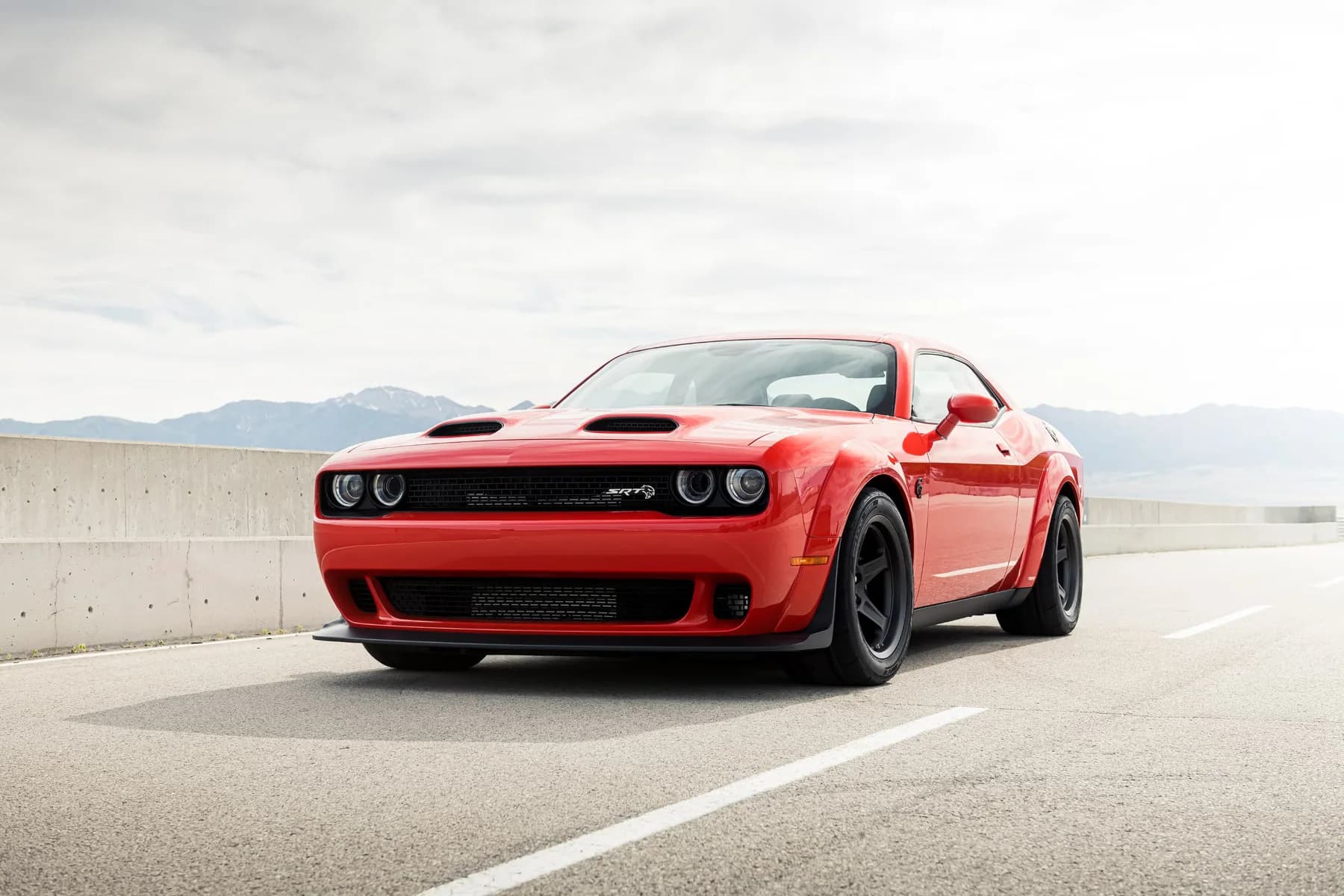
A 50/50 car is not automatically neutral. Tire sizes, roll centers, spring rates, alignment and aero all shift where the limit shows up first. Plenty of 50/50 cars understeer on turn-in because the manufacturer wanted it that way, and plenty of nose-heavy cars rotate beautifully.
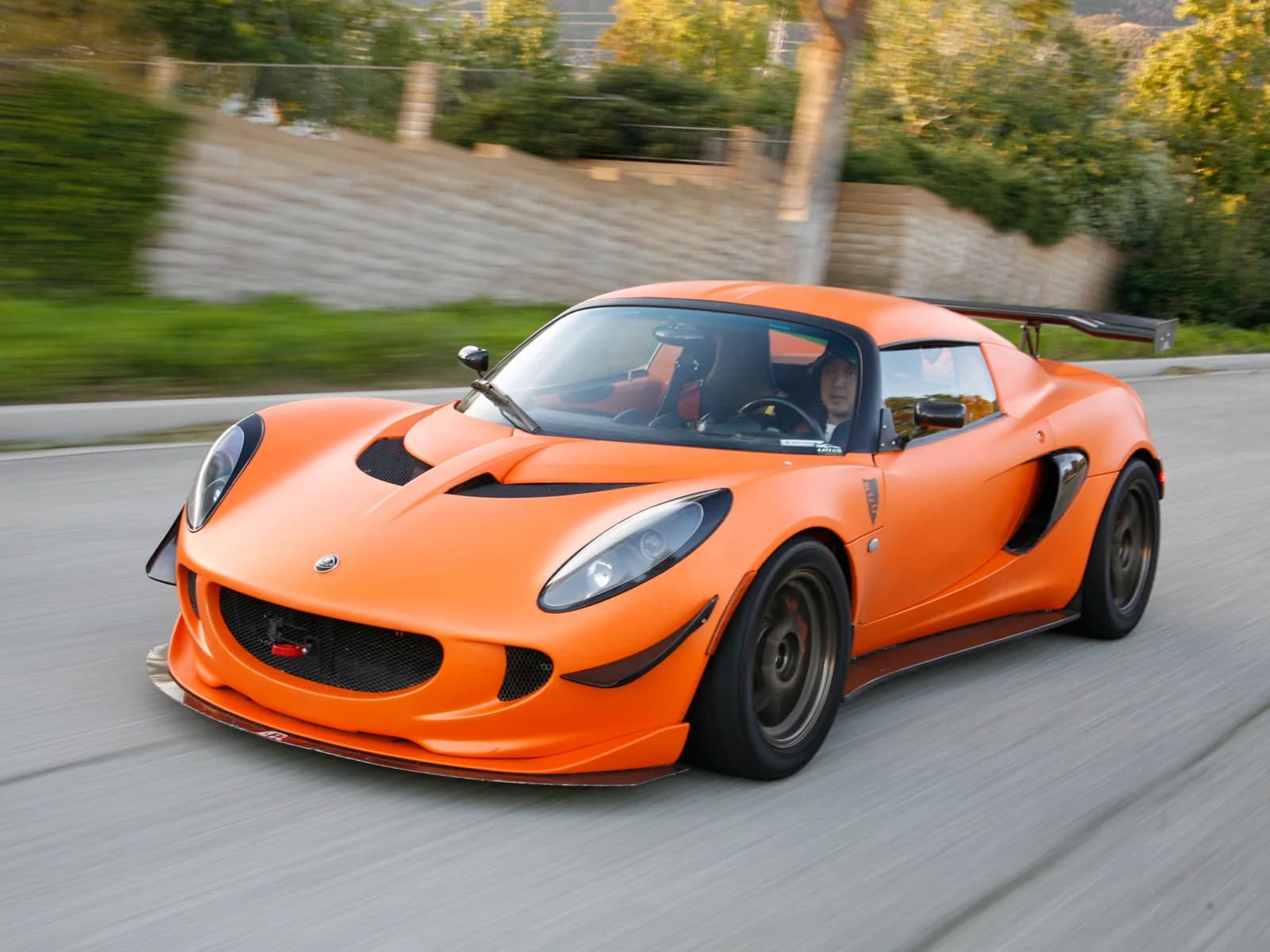
What matters more than the split is where the mass sits relative to the center of the car. Polar moment of inertia is the term. A mid-engine car with the heavy bits clustered near the middle changes direction quickly and, when it lets go, lets go quickly. A front-engine car with mass hung out ahead of the axle is lazier to turn and gives you more warning on the way out.
Neither is better. One rewards precision, the other rewards recovery. Pick the one that suits how you actually drive.
Weight transfer is the whole game
Every input you make moves load between the four contact patches. Brakes load the front and unload the rear. Throttle does the opposite. Steering loads the outside pair.
Here is the part people get wrong: total lateral weight transfer is fixed by the car's weight, track width and center of gravity height. Springs and bars do not change how much load moves. They change how it is split front to rear.
That is why you cannot spring your way out of a tall, heavy car. You can only decide which axle absorbs the punishment.
Tire load sensitivity is why any of this matters
A tire does not make twice the grip when you put twice the load on it. Grip rises with load, but less than proportionally. Add 200 pounds to the outside front and it gains less than the inside front just lost.
So an axle that absorbs a bigger share of lateral transfer produces less total grip than one that shares the load more evenly. Stiffen the front bar and the front pair gets more lopsided, the front loses relative grip, and the car understeers. Stiffen the rear and it rotates.
That single mechanism is behind almost every suspension tuning decision anyone has ever made.
The tuning order that actually works
Most people buy the expensive part first and then wonder why the cheap part was the problem.
- Tires. A dead set of summer tires costs more lap time and more predictability than any suspension component you could bolt on.
- Alignment. Front camber and rear toe change the personality of the car more than a spring rate change, and they are free at the shop you already use.
- Dampers. Control matters more than stiffness. A quality damper at a sane rate beats a cheap coilover at a stupid one.
- Bars. The cheapest, fastest way to bias the car once everything else is right.
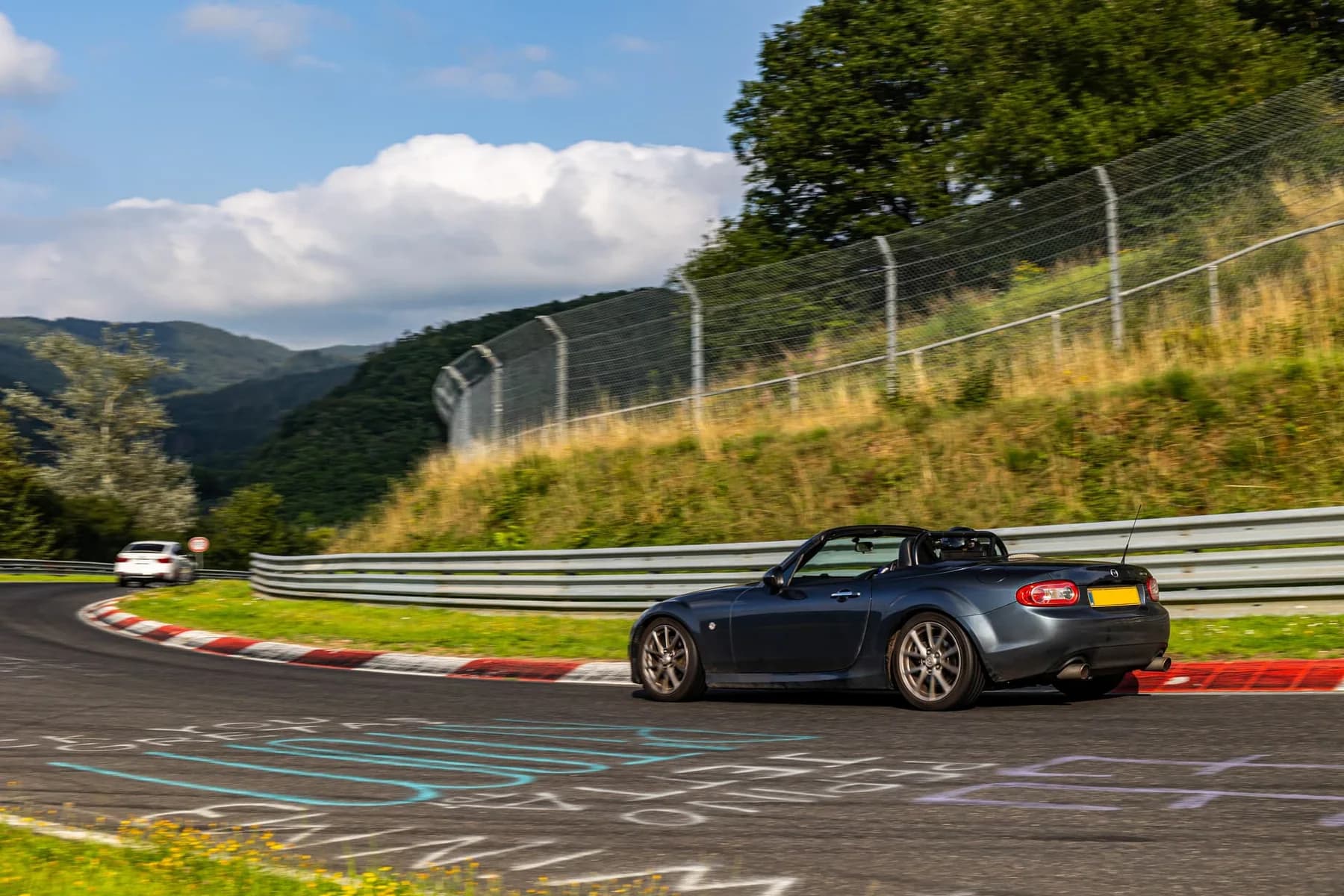
If a Miata pushes on turn-in, a stiffer rear bar and a little more front camber will fix it for the price of a night out. If a 350Z snaps on lift, softening the rear and getting the rear toe out of factory drift settings will calm it down.
Throttle steering is balance you control
The pedals are your fastest tuning tool. Lift mid-corner and load moves forward, the rear goes light and the car rotates. Squeeze the throttle and the rear plants and the nose runs wide.
That is why a well-sorted rear-drive car feels like it has a rotation dial under your right foot. It is not magic and it is not skill you were born with. It is load transfer happening on a timescale you can feel.
Practice it somewhere legal, at seven tenths, until the car's response to a lift stops surprising you.
The take
Chasing neutrality is a mistake. A perfectly neutral car has no natural error state, which means when you get something wrong it just leaves, in whichever direction it fancied.
Set your car up with a mild, predictable bias you understand. Slight understeer for road driving. Slight rotation for a track you know. What you want is a car that tells you what it is about to do a half second before it does it, and then does exactly that.
Everything else is bench racing.